
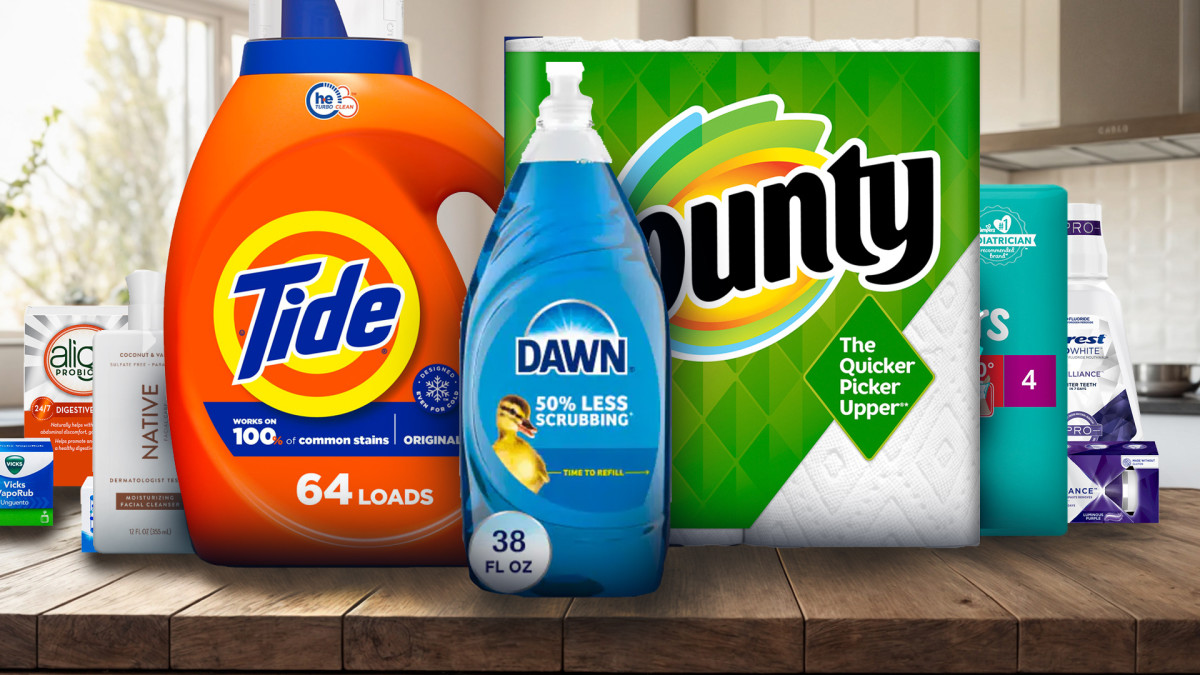
Procter & Gamble has been paying dividends for more than a century. In 2026, it made one of its biggest shareholder commitments ever.
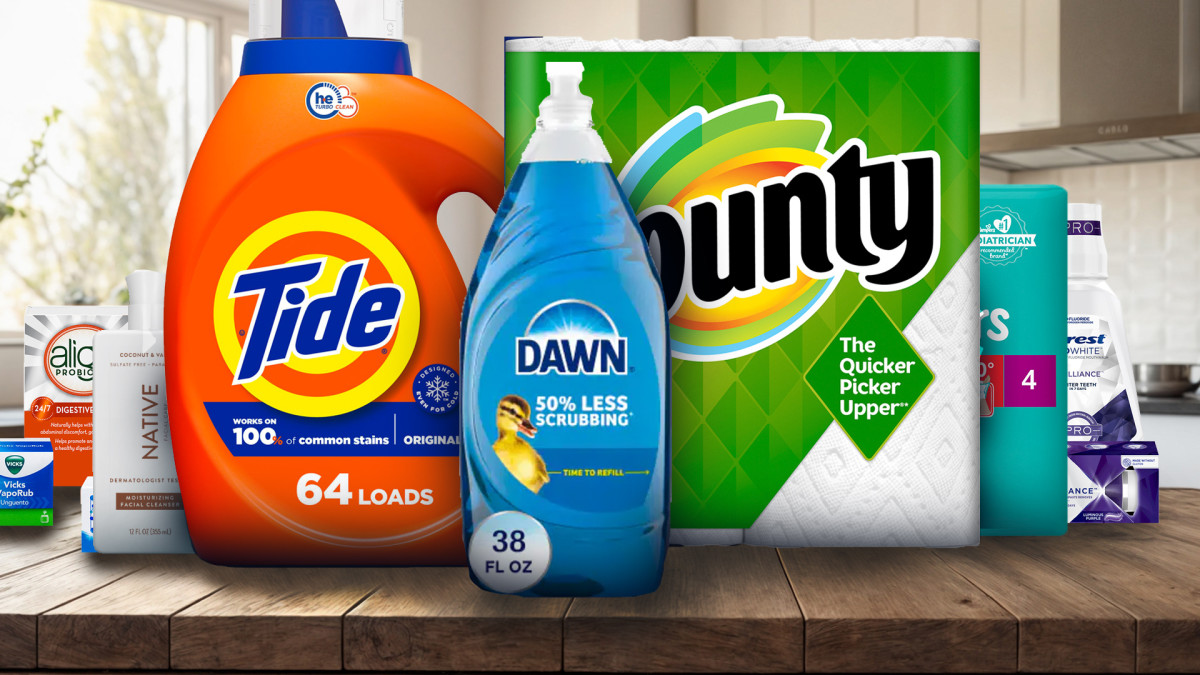
The Dow Jones Dividend King is the consumer goods giant behind Tide, Pampers, Gillette, and dozens of other household brands.
It recently disclosed plans to pay out roughly $10 billion in dividends in fiscal year 2026 alone.
Moreover, P&G (PG) expects to buy back about $5 billion in company stock, bringing total cash returned to shareholders to $15 billion for the year.
That’s a significant number. And it’s coming at a time when P&G’s growth has slowed, and the company is working hard to get back on track.
TheStreet/Shutterstock
Procter & Gamble is a rare dividend royalty
Founded in 1837 — yes, 189 years ago — Procter & Gamble is one of the oldest publicly traded companies in America. But age isn’t what makes it stand out to dividend investors. Consistency is.
P&G has raised its dividend for 69 consecutive years.
More Dividend Stocks:
- The Dow’s best dividend stocks: A shortlist for income investors
- Steve Cohen’s Point72 scoops up $336M in blue-chip dividend stock
- 134-year-old beverage giant hikes dividend again in 2026
That puts it firmly in the elite “Dividend King” category, which requires at least 50 straight years of increases. Very few companies ever reach that milestone.
The dividend currently sits at $4.23 per share annually, paid out quarterly at $1.06 per share.
Key dividend numbers investors should know:
- Annual dividend: $4.23 per share
- Dividend yield: Approx. 2.6% (as of late February 2026)
- Consecutive years of dividend increases: 69
- Dividend payment frequency: Quarterly
- Payout ratio: About 65% (FCF-based)
- 20-year dividend growth rate: Approx. 6.3% annually
- Planned fiscal 2026 total dividend payout: About $10 billion
A payout ratio around 65% is considered healthy. It means P&G is returning solid income to investors without stretching itself too thin.
A sluggish fiscal Q2
P&G’s recent results tell a mixed story. The company had a rough start to fiscal year 2026, though management says the worst is behind it.
Core earnings per share came in at $1.88 in the most recent quarter, which was flat year over year.
Related: PepsiCo raises dividend again to extend legendary streak
Organic sales growth slowed in the U.S. market, dragged down by a tough comparison period. (The prior year saw unusual consumer stockpiling tied to port strikes and hurricanes.)
Chief Financial Officer Andre Schulten offered further detail.
Outside the U.S., things look better. Markets across Latin America are growing at a high single-digit clip. Almost all regions outside the U.S. grew or accelerated in the first half of fiscal 2026.
P&G focuses on product innovation
P&G isn’t sitting still. The Dividend King is making several targeted moves it hopes will reignite growth.
One big focus is stronger product innovation.
- Tide recently launched its biggest upgrade in over two decades to its original liquid detergent at the same price but with a better formula.
- Since launch, the product has gone from declining sales to double-digit growth; a turnaround on a product that large is rare.
- P&G is also rolling out Tide evo, a brand-new laundry format that concentrates cleaning ingredients into individual fiber tiles.
- Protected by more than 50 patents, management calls it the biggest laundry innovation in decades.
In Brazil, Pantene shifted to a heavier emphasis on influencer content and user-generated videos. Sales jumped 30% year over year in the October-through-December period.
In Mexico, Downy Intense tapped into deep consumer research about scent preferences and is now seeing double-digit growth.
The bottom line for Procter & Gamble
P&G is also leaning hard into artificial intelligence across its supply chain, marketing, and product development.
The company says its AI-powered molecular discovery tools have cut the time to identify new compounds from six to eight years down to as little as six months.
“AI without data is just A, artificial,” said Seth Cohen, P&G’s chief information officer. He pointed to the company’s massive internal data lake, built over more than a decade, as a key competitive edge.
The path back to P&G’s long-term growth target of mid- to high-single-digit organic sales isn’t guaranteed. But the dividend? That looks as safe as it has in decades.
Sixty-nine years of consecutive increases have a way of building that kind of confidence.
Related: DJIA Master List: What companies make up the Dow Jones Industrial Index in 2026?
#189yearold #Dividend #King #unveils #billion #payout #plan