
Looking for good news coming out of the U.S.-Israeli war on Iran?
It’s hard, but people are trying as best they can.
Energy Secretary Chris Wright was one who gave it a try. Asked on Sunday’s “Meet the Press” program if U.S. gasoline prices will fall back below $3 per gallon by the summer travel, he said, “There’s a very good chance that’ll be true.”
But then he had to add the qualifiers. “You know, there’s no guarantees in war,” he told host Kristen Welker. “The timeframe’s still not entirely clear. But I think that’s certainly a goal of the administration and very possible.”
Finally, he said, “Americans will feel it for a few more weeks.”
Threats continue, prices still rise
Welker noted that Brent crude, the global benchmark, finished Friday, March 13, at $103 per 42-gallon barrel. And Iran has threatened to do whatever it takes to get the price to $200 a barrel, a level that might cause Americans and others to protest angrily.
So, Welker asked if American should brace themselves for how $200 oil might affect pump prices.
More Oil and Gas:
- Weekly Roundup: Iran and Energy Worries Take Their Toll on the Market
- Energy giant sends blunt $20 billion message on dividend growth
- 147-year-old oil giant just raised dividend 4% in 2026
Wright tried to dance around the question, despite Welker’s refusing to let the question go. Finally, he said, “I would pay no attention to what Iran says.”
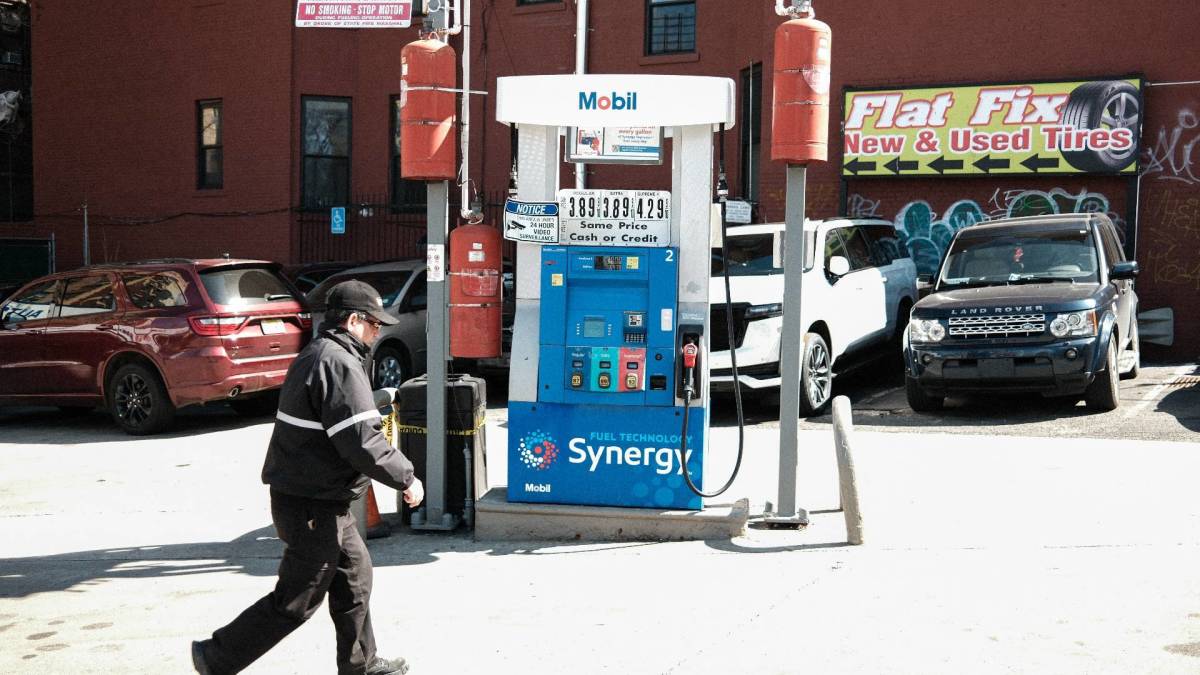
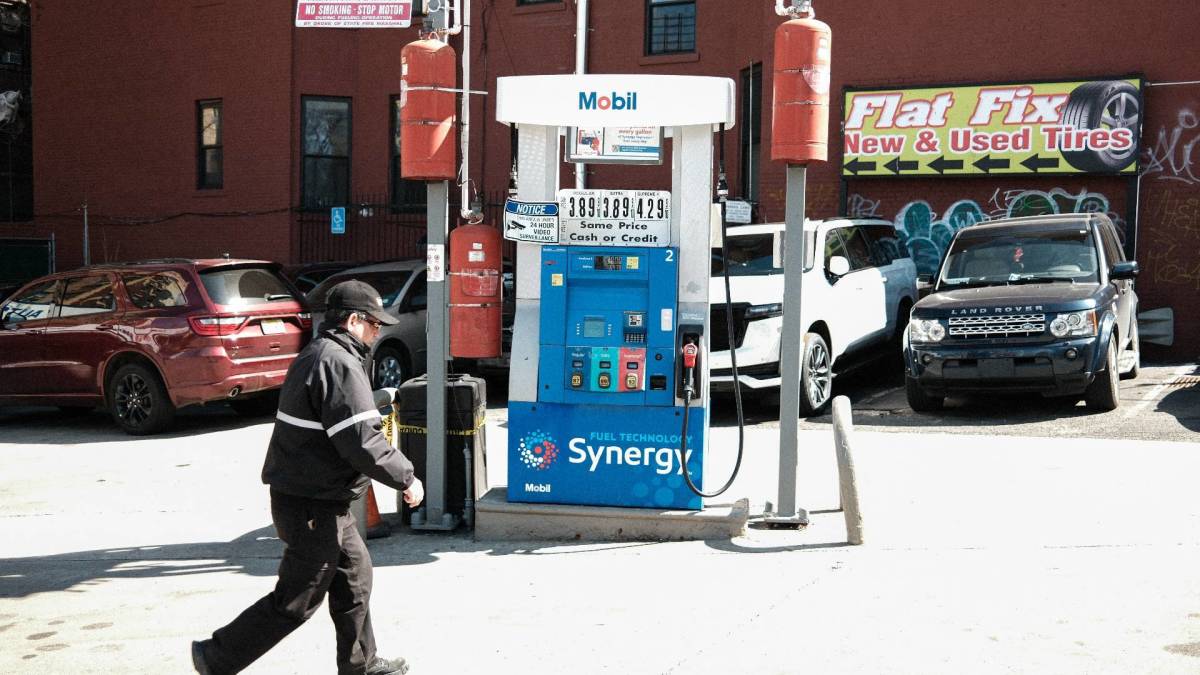
The fact is, U.S. prices at the gas pump are running around $3.70 a gallon, up more than 30% in 2026 and 24% since the end of February. The increases moderated slightly over the weekend. The AAA price on March 15 was seven cents up from March 13.
Prices, I should note, vary widely — from as high as $5.51 in California to $3.695 in Pennsylvania to $3.134 in Kansas, according to AAA Fuel Prices.
Brent crude is up 69.5% in 2026 at $103. Light sweet crude, the U.S. benchmark, is up more than 57% as $98.71 a barrel on March 13.
Charly Triballeau/Getty Images
The odds of an Iran war resolution? Slim for now
The question remains: When will the conflict end? The short answer: It’s not yet clear.
The question is important because stock markets have been slumping since the war erupted. The S&P 500 Index fell 1.6% on the week and is off 3.5% in March.
Related: Everyone should keep an eye on this Persian Gulf island
Energy stocks have been rising, including Exxon Mobil and Chevron.
That is driving Israel and the Trump administration a little crazy. Their bombs and missiles have hit military sites and cities in Iran (and Lebanon) hard.
The Iranian Navy is mostly gone. So is its air force, but at least as of Sunday, March 15, Iran says it has no interest in talking about a ceasefire.
Late Friday, March 13, the United States bombed military facilities on Kharg Island, the coral island off the coast of Iran. The island is Iran’s primary oil port, through which about 70% of its crude oil flows. It wasn’t clear if the port facilities were damaged.
How the attack affects oil prices is not yet clear.
So the fighting goes on, with some 2,000-plus people killed in Iran, another 600 in Lebanon, and small numbers among all the combatants and the nations around the Persian Gulf. Thirteen Americans have died as of Friday.
The situation is dangerous enough that the U.S. Embassy in Iraq has told Americans in Iraq to leave the country after repeated attacks by Iraqi militias aligned with Iran.
Five rockets struck Baghdad International Airport Sunday night local time, injuring four workers, The Wall Street Journal reported on March 15.
Related: Chevron, Shell make stunning Venezuela move as Iran crisis deepens
#Consumers #dream #gas #falling #unsettled #war