
It’s hard not to be irritated anytime I see a headline or social media post along the lines of “10 things you’re wasting your money on,” only for the post to list small purchases like lattes or dining out as the reasons you’re not yet a millionaire.
As someone who has reported on various personal finance topics for a decade, I have learned that building wealth is much more complicated than that.
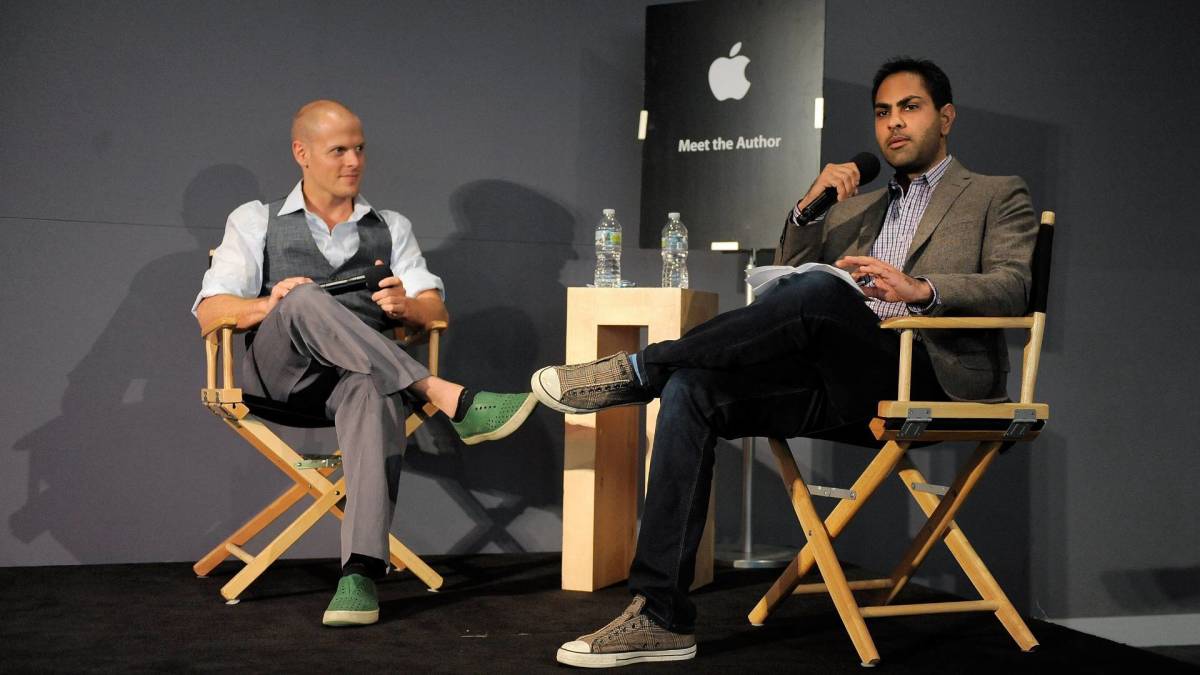
So when I saw an Instagram post by Ramit Sethi, author of the best-selling book “I Will Teach You to Be Rich,” that read “20 Things That Are a Complete Waste of Your Money According to Ramit,” I was skeptical.
Until I read the paranthetical statement below: “And no, it’s not your morning coffee.”
OK, now I was paying attention.
Sethi’s list focused on common and often bigger-ticket items, ranging from unnecessary extended warranties to expensive credit cards with rewards programs you rarely use. Being a real-estate reporter, I perked up when I read number 13 on his list:
“Treating your primary home as an investment. It’s often a lifestyle choice, not a high-return asset.”
Homeownership is a major part of the American Dream, because it ideally helps you build wealth. Why, then, does Sethi warn against treating your house like an investment?
Your primary home has value, but it’s not an investment
Family, real estate agents, and housing reporters alike will wax poetic about how buying a home is a good investment because you will build equity. Unlike with rent payments, mortgage payments will help you gain ownership of an asset.
All of this may be true, but it still doesn’t mean you should chiefly treat your primary home as a “high-return asset,” as Sethi put it.
“I tell my clients to think of their primary residence as a utility, not an investment,” Eric Roberge, founder and CEO of financial advisory firm Beyond Your Hammock, told TheStreet.
“Yes, your home has real value — stability, security, and protection from rising rents over time — but there’s an important difference between something that has value and something that produces a return.”
Related: Redfin reveals why now is the right time to refinance a mortgage
Roberge explained that houses gain value over time, but inflation also rises during those years. When you account for inflation, the actual return on a single-family home is only around 1% — and that’s before factoring in maintenance expenses and closing costs when you buy and sell the property.
Housing price growth indexes, such as the Case-Shiller Home Price Index, don’t include these types of costs in their reports, he said. They only display the changes in home prices over time.
All of this doesn’t mean buying a home is a bad financial decision — as long as you can afford the ongoing expenses. “Those who convince themselves to buy a larger, more expensive home because ‘it’s a good investment’ are the ones who get into trouble,” Roberge said.
When Sethi said to not treat your primary home as an investment, he specified that it isn’t a high-return asset. While that might be true, it doesn’t mean buying a home is a waste of money overall.
Countess/Getty Images
Buying a home can still be a smart financial decision
Treating your home as an “investment” might be a money mistake, but buying a home isn’t necessarily a financial mistake in general.
“It’s not meant to be a high-return investment or a quick win like stocks,” Kathleen Myers, Realtor for RE/MAX Equity Group in Portland, Oregon.
“It is a lifestyle choice. But it also builds equity over time, lets you buy a more expensive asset with a relatively small down payment, and can offer meaningful tax advantages. It is both a place to live and a long-term financial foundation, not a waste.”
Treating a home like an investment that will yield high returns when you sell probably isn’t a realistic strategy. But there are financial benefits to owning a house. As Myers pointed out, you can deduct certain homeownership expenses on your taxes, as long as you itemize your deductions rather than take the standard deduction.
More on homeownership and the housing market:
- Redfin reveals major shift in housing market
- Mortgage rates increase for 3 straight weeks
- Fannie Mae predicts shifts in mortgage rates, housing market
For example, according to the IRS, married homeowners filing taxes jointly can deduct the interest paid on the first $750,000 of their mortgage principal. (If you’re married filing separately, you’ll deduct on the first $375,000 of your principal.) You also might qualify for deductions on property taxes and specific home improvements.
And while inflation may keep your home from yielding the same type of returns as other investments, your property may still gain value. You can use that value to take out a home equity loan, home equity line of credit (HELOC), or cash-out refinance. Then, use these funds to pay for anything from home renovation projects to college tuition to consolidating debt.
No, your personal home is not an “investment.” But it still offers financial benefits.
Does buying a home fit your lifestyle?
Sethi deemed your primary home a “lifestyle choice” rather than an investment. So how do you know if buying a home fits your lifestyle right now? Here are some questions to ask yourself.
- Do you expect to stay in the same place for at least a few years? If you plan to move soon to start a new job or be closer to family, then you’ll probably lose money just on the down payment and closing costs before you sell.
- Do you want to be your own landlord? You might prefer to keep renting if you don’t want to spend the time or money taking care of home repairs yourself.
- Do you have job security? Obviously, unexpected layoffs and furloughs happen. But in general, you should only buy a home if you feel settled in your job and don’t expect to be relocated in the near future.
Related: How Fed meeting impacts mortgage rates, housing market
#Financial #influencer #warns #homeowners #mistake