

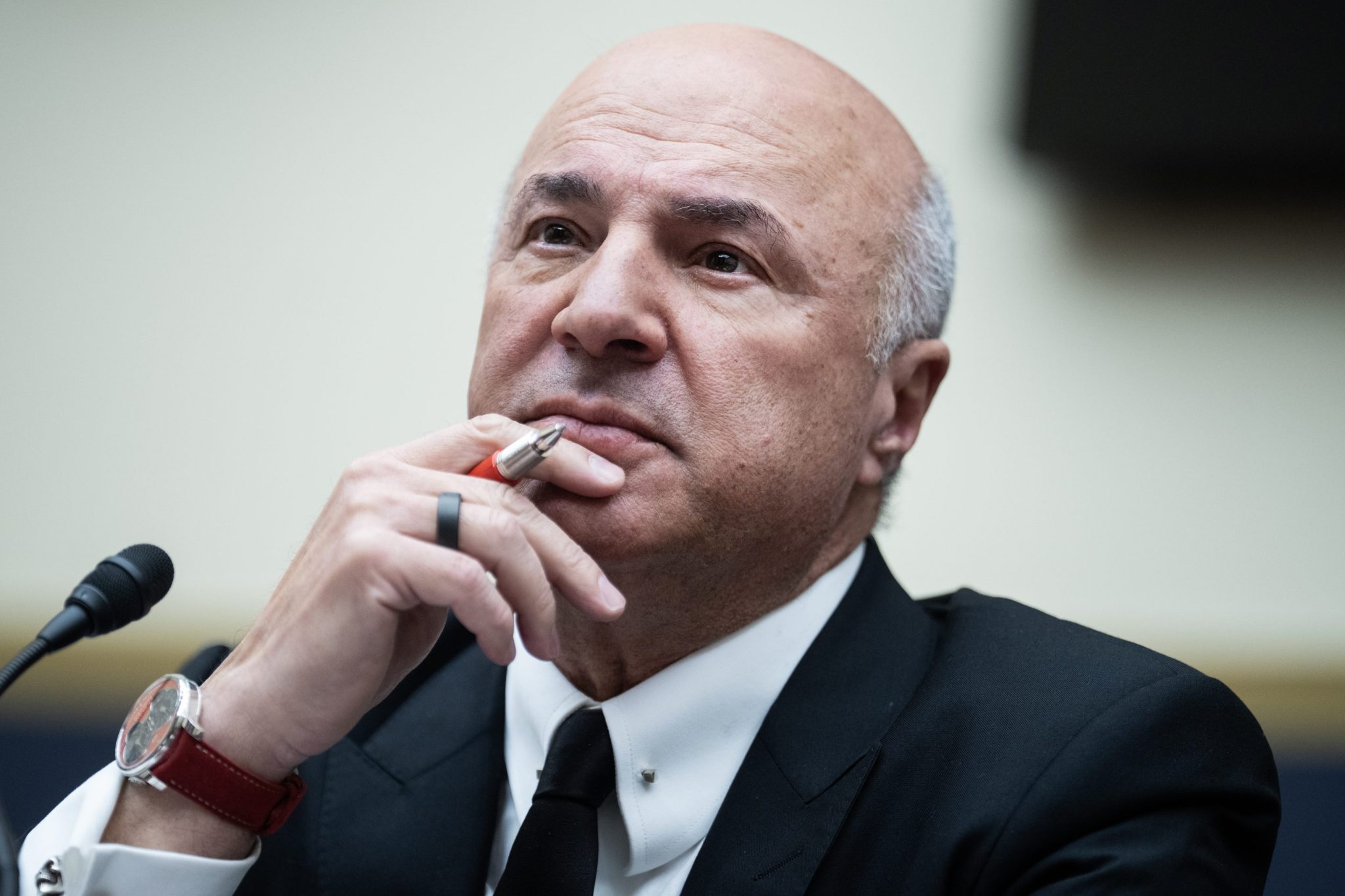
Kevin O’Leary says the Gen Zers who shine the most are the ones who can get the job done—whether they’re in the office or not.
O’Leary, the founder of venture capital investment platform O’Leary Ventures, said young people should focus on “executing” to be successful. The Shark Tank star, who has previously been critical of certain habits by younger people in the workforce, said those who want to succeed should focus on delivering results.
“If you’re a Gen Zer and you can execute, and you can hit your mandate and deliver it on time, you move up and you make more money,” he said in a video last week.
As an example, he cited an employee who started working for him a year-and-a-half ago in the United Arab Emirates. This unnamed employee quickly moved up the ladder because “the kid can execute,” he added.
O’Leary, whose own employees are spread between London, Los Angeles, and Canada, said this ability to “execute” also has little to do with whether an employee is in the office or not.
“If you have to be in an office, why? Is my question? We do have people that sit in cubicles, but I’d rather hire somebody who can execute and sit in their basement or in their backyard,” he said.
His comments come as companies continue to call workers back to the office as flexibility wanes in the corporate world and more workers worry about AI-fueled displacement. After Amazon kicked off the full-time return-to-office movement in tech last year, several companies have followed suit. Starting last month, Instagram forced most employees back to the office five days a week as part of CEO Adam Mosseri’s vision to create a “winning culture.” Microsoft, too, asked employees in the Seattle area to come into the office three days a week starting late last month.
Since the end of the pandemic, CEOs across corporate America have pushed return-to-office mandates as a means of increasing collaboration and relationship building. Still, a Harvard study last year found workers were willing to accept a 25% pay cut when comparing jobs that are either fully remote or hybrid with those that are full-time in-office.
In the execution economy, O’Leary said high performers often rise because of their work ethic, not their attendance.
“They’re just delivering, and they get rewarded because the whole team wants the people that can execute. That is the nature of the economy today,” he said.
O’Leary also pushed back on the argument that remote work leads to isolation. Loneliness, he said, is not new, and “that’s not really what’s at play here.”
His most recent comments build on past criticism of return-to-office mandates and support for recruiting top talent. In 2022, O’Leary claimed 55% of the 10,000 people he works with across more than 50 portfolio companies did not come back to the office. As of January, 40% had not returned to the office.
“When we threatened them, with saying, ‘You’ll lose your job if you don’t come back,’ they said ‘Great, I’m going to go work for somebody else,’” he said.
In fact, he said in a January video that the companies looking to bring people back to the office are the ones suffering the most in the war for talent.
“If you’re trying to say to people, ‘Oh, you got to work in an office,’ and that’s the talent you want to hire, you’ll just get the bottom quartile people that have no choice,” he said. “I don’t want those people. I want my competitors to hire those people.”
#Kevin #OLeary #doesnt #care #work #basement #execute