
South Africa’s stronger public finances have given the county a sizable cushion to absorb external shocks — such as the fallout from the conflict in Iran, according to the head of the National Treasury.
Read: Fuel price hike for March … and worse could be on the cards
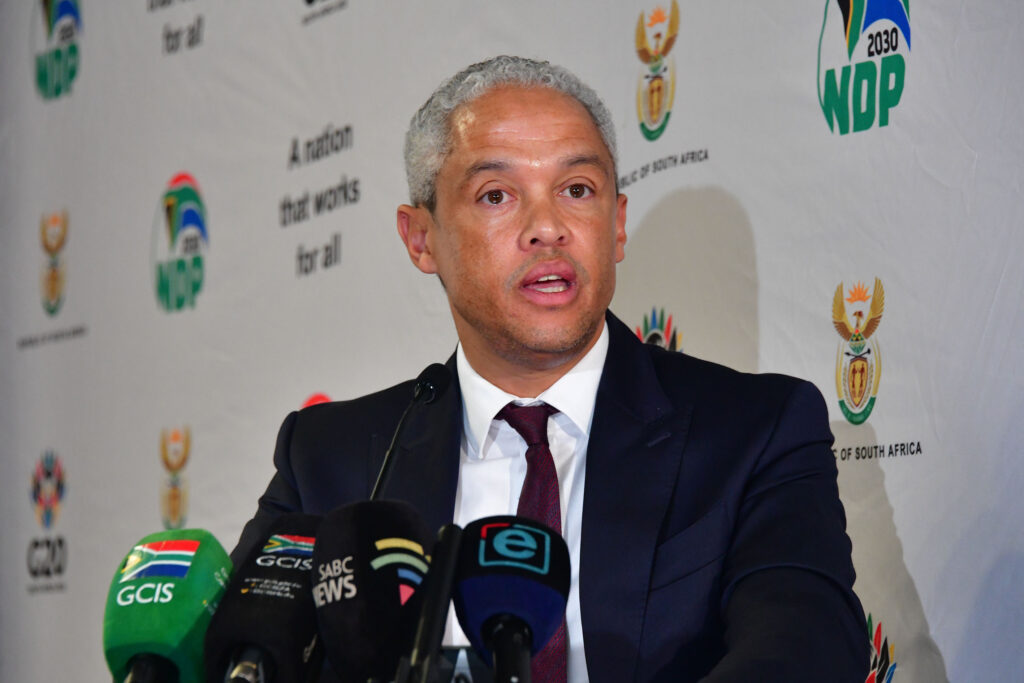
“It would take a very large shock to derail our fiscal plans,” Treasury Director-General Duncan Pieterse told Bloomberg in an interview on Monday. “We have geared ourselves in a way that we can manage some deviation.”
The Treasury projects a primary surplus – which measures revenue minus non-interest spending – of R131 billion in the fiscal year through March 2027.
That’s R60 billion more than this fiscal year’s surplus, which was 0.9% of gross domestic product and will stabilise South Africa’s debt-to-GDP level, before it starts to shrink from 2026-27.
ADVERTISEMENT
CONTINUE READING BELOW
For South Africa to be pushed off this path of fiscal consolidation, revenue would either have to fall by R60 billion or government spending jump by the same amount, Pieterse said.
The Iran war could impact South Africa’s economic outlook if it had a lasting impact on global growth or oil prices, he said, although any headwinds from more costly crude could be offset by higher prices for gold and other commodities.
Finance Minister Enoch Godongwana said South Africa turned the corner on years of poor public finances when he presented his annual budget last week, citing a recent upgrade by S&P Global Ratings as a sign that the world has taken notice.
Read: SA public finances ‘emerging from the fiscal wilderness’
The move has stoked optimism that the country may regain the investment-grade rating it lost after its finances deteriorated under former President Jacob Zuma, whose time in office was marred by corruption scandals and a surge in the national debt.
ADVERTISEMENT:
CONTINUE READING BELOW
S&P assess the country at BB with a positive outlook, while Moody’s Ratings has it Ba2. Both are two notches below investment grade.
Pieterse said South Africa was moving in the right direction for more positive assessments of its credit. He declined to speculate on how long it would take to get back to investment grade, but said stronger-than-expected economic growth would definitely help accelerate the journey.
Treasury’s best contribution was to make sure that the debt-to-GDP ratio declines after the current fiscal year and the primary surplus grows as forecast, said Pieterse, who will meet with rating agencies this week during a trip to Europe.
© 2026 Bloomberg L.P.
Follow Moneyweb’s in-depth finance and business news on WhatsApp here.
#National #Treasury #weather #shocks #Iran #war