
If you’ve watched markets for more than a cycle, there is one common thread. one headline hits, and suddenly every “soft landing” narrative turns into something indefensible.
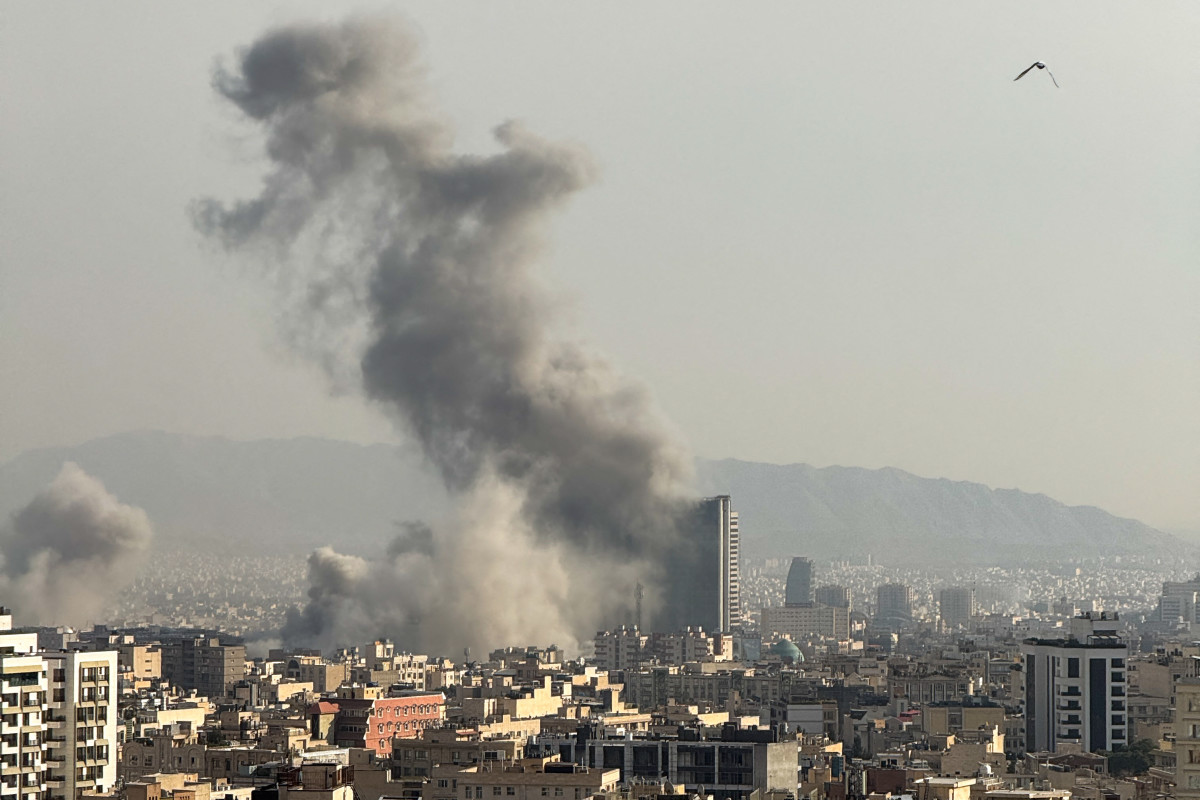
That’s what’s happening as the result of the latest Middle Eastern tensions. The major incident was a drone incident near Saudi Aramco’s Ras Tanura refinery, leading to a small fire. Apart from this, some units were taken offline as a precaution. As of the latest update, the facility is offline yet again.
Traders were not far away from the situation, slapping a fresh risk premium on crude, gas, shipping, and inflation expectations, showing, once again, how geopolitical events can have a massive impact on the markets.
Ras Tanura is the kind of asset markets can’t ignore
The Energy Ministry of Saudi Arabia stated that the refinery is generally operating well. However, it did report “limited damage” at 7:04 a.m. after debris fell from the interception of two drones. What it did was trigger a “limited fire” that the authorities were able to manage fairly quickly.
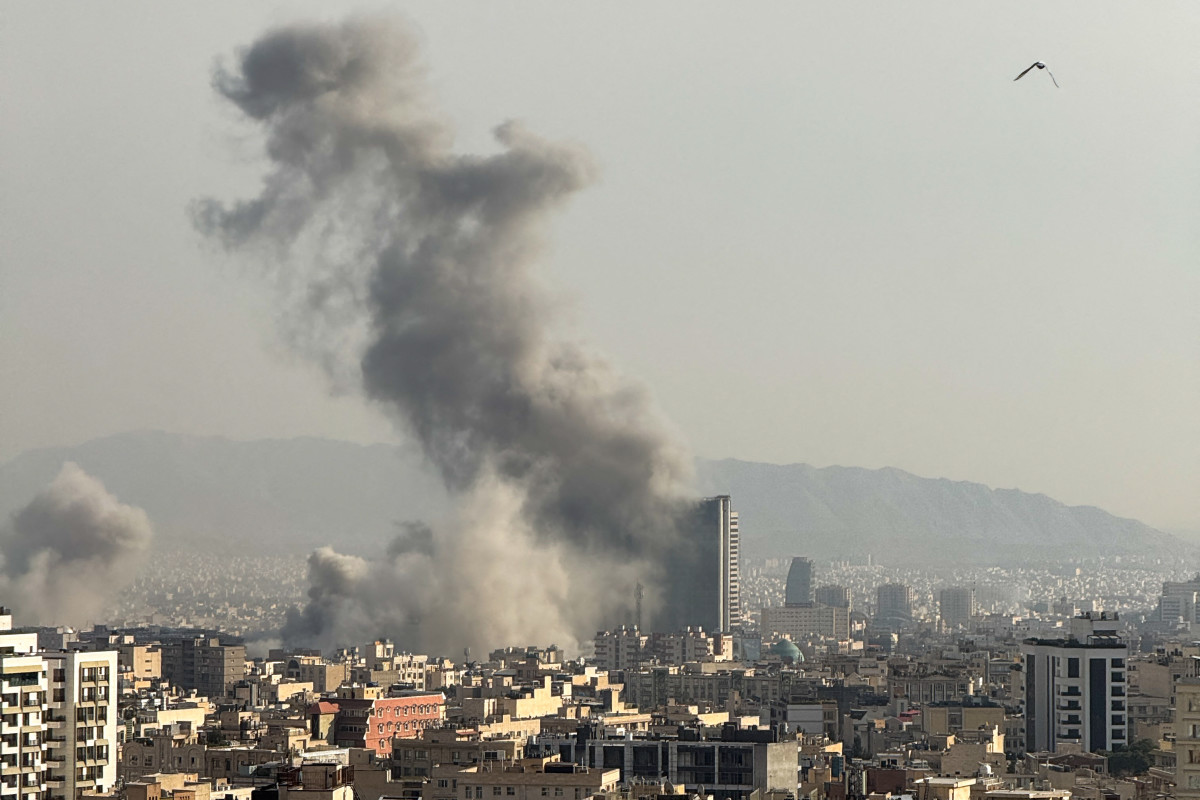
Photo by MAHSA on Getty Images
Officials did not report any loss of life or property. There was no impact on supplies to local markets.
Still, this is not a small facility or incident.
Ras Tanura’s refining capacity is roughly 550,000 barrels per day. The refinery sits inside a Gulf Coast complex that’s deeply tied to Saudi export logistics. As a result, any language, good or bad, about the refinery is major news. Even “precautionary” shutdown language tends to move prices before anyone has a restart timeline.
Quick timeline (what we know):
- March 2: Saudi Energy Ministry says debris from intercepted drones caused limited damage and a small fire; some units shut as a precaution.
- March 2: QatarEnergy says it has ceased LNG production after attacks on facilities at Ras Laffan and Mesaieed.
- March 2: Iran issues its sharpest warning yet on shipping through the Strait of Hormuz.
Markets priced a “dual shock” in real time: oil + LNG + shipping
The price action did not end up reflecting any calm.
More Oil and Gas:
- Energy giant sends blunt $20 billion message on dividend growth
- 147-year-old oil giant just raised dividend 4% in 2026
- Top energy stocks to buy amid Venezuela chaos
Brent crude spiked as high as $82.37 (up as much as 13% intraday) before settling roughly $77–$78 a barrel, while WTI settled at $71.23.
Related: Credo Technology (CRDO) soared, and Goldman sees more room to run
Natural gas also increased manifolds. Benchmark European pricing moved approximately 40%+ in early reaction. Essentially, traders tried to handicap what a Qatar outage could mean for global LNG energy flows.
Why is there so much panic? Well, Qatar is a giant in LNG:
- Qatar accounts for about 20% of global LNG exports.
- QatarEnergy shipped 80.97 million metric tons of LNG in 2025.
- There are plans to broaden capacity to 142 million tons per annum by 2030, from 77 mtpa currently.
QatarEnergy’s own language is very blunt and straightforward regarding the matter. It “ceased production of LNG and associated products,” while it continued to “communicate the latest available information.”
The market’s real “lever” is the Strait of Hormuz
I cannot stress this enough. There is nothing more important for the world economy than the Strait of Hormuz. Prices don’t have to be offline for energy to be re-rated if shipping is in doubt.
Iranian Revolutionary Guards adviser Ebrahim Jabari stressed that the strait is closed and that forces would “set those ships ablaze” if they try to pass.
Related: Goldman Sachs analyst delivers shock message on Circle after blowout quarter
Shipping players reacted like you’d expect. Maersk said it was “suspending all vessel crossings in the Strait of Hormuz until further notice,” citing crew and cargo safety.
A top executive at a major trading desk said what everyone was thinking: “Our ships will stay put for several days.”
Stocks, bonds, and the dollar all traded the same theme: inflation fear
Global equities sagged. However, the US markets held up surprisingly well versus the European markets.
Why is that?
Well, mostly because energy and defense did what they always do during a crisis:
Here’s the scoreboard from Reuters’ market wrap:
- S&P 500: +0.04%
- Nasdaq: +0.36%
- Dow: -0.15%
- STOXX 600 (Europe): -1.35%
- MSCI World: -0.64%
Energy was the standout:
- S&P 500 energy rose nearly 2% on the oil rally.
And Wall Street’s “fear gauge” behaved like… a fear gauge:
- VIX jumped to 25.24 intraday (highest since November), before closing at 21.44.
Rates moved on inflation risk, not calm:
- 10-year Treasury yield: 4.038% (up 7.6 basis points)
- 2-year Treasury yield: 3.477% (up 9.8 basis points)
Lindsey Bell, chief investment strategist at 248 Ventures, put it simply:
“A lot of the worry… is about inflation and oil” because of the Middle East conflict.
The dollar also caught a bid. It is a classic “the U.S. is a safer situation and also a net energy exporter” logic, with the dollar index up about 0.9%.
What happens next (and what to watch if you’re trading this)
Analysts in this situation are split between “spike and fade” and “this gets ugly fast.”
A few tells worth tracking:
1) The restart story at Ras Tanura
Saudi officials are playing defense, focusing on the “limited damage” and contained fire. However, markets still want clear unit-by-unit normalization language.
2) Hormuz flow data and war-risk pricing
Reuters cited JPMorgan estimating Hormuz crude exports are down roughly 4 million bpd from 16 million bpd normally.
3) Where the big banks are anchoring their oil calls
- Citi sees Brent $80–$90 over at least the coming week.
- Goldman Sachs estimates an $18 real-time risk premium in crude prices.
- Wood Mackenzie warns oil could exceed $100 if flows aren’t restored quickly.
Related: Nvidia bull drops shocking take on upside
4) Qatar LNG’s contract structure (why spot can get violent)
Qatar sells 90% to 95% of its LNG under long-term contracts, leaving a smaller amount to deal with short-term problems, which can make price spikes worse.
Parting thought
The market didn’t just trade an isolated refinery incident. Instead, it’s trading the idea that the region’s “plumbing,” which is LNG trains, tanker routes, insurance, and chokepoints, is now part of the technical thesis.
And once that switch flips, every asset class has to reprice it.
Related: Altman draws 3 red lines for Pentagon AI work and dares critics to ‘visit me in jail’
#Oil #shock #sends #blunt #message #stock #market #inflation #risk