
South Africa’s Budget last week delivered encouraging signals for business confidence and infrastructure investment.
While not addressing every challenge we face, it demonstrated continued fiscal discipline and improving infrastructure spending that should help unlock the private sector investment South Africa desperately needs.
The fiscal position is clearly on an improving trajectory. Government is on track to deliver a primary surplus for the third consecutive year, meaning revenue exceeds non-interest spending. The debt-to-GDP ratio is stabilising and beginning to decline. Tax collection performance remains strong, with the South African Revenue Service (Sars) exceeding revenue targets.
Read:
SA budget chief resigns after helping stabilise debt
Slowly but surely, South Africa does seem to be turning the corner
South Africa’s ratings upgraded by S&P Global
This matters. It is what enabled the S&P credit upgrade [in November], what drives lower borrowing costs, and what gives investors confidence that South Africa won’t face a fiscal crisis. The macroeconomic stability this creates is the foundation for everything else.
I found myself reflecting on how this and many other signals in the budget – debt stabilisation, strong tax collection, advances in financial sector regulation, improved performance of state-owned enterprises – all show how the quality of leadership in the public sector is translating into tangible progress.
We cannot forget the perilous state we were in less than a decade ago, when our institutions were crumbling before our eyes, debt was spiralling and tax collection collapsing. This budget shows continued decisive movement in putting that behind us and empowering the right people to get on with the job of running the state well.
It is all about keeping people accountable for delivering, and we must credit the state for the improvements it has made, even while recognising how much more there is to be done.
ADVERTISEMENT
CONTINUE READING BELOW
Infrastructure outlook
Against this backdrop, the infrastructure spending outlook showed welcome improvement. The three-year medium-term expenditure framework projects over R1tn in public infrastructure investment, with approximately R340bn allocated for the current fiscal year.
More significantly, Treasury expects this year to show the first increase in infrastructure spending in several years, reversing a decade of decline that saw public sector investment fall from nearly 10% of GDP to below 5%. About 40% of the projected spending should come through state-owned enterprises, particularly Eskom and Transnet, whose improved financial performance now enables infrastructure investment rather than requiring bailouts.
Read: Government’s plans for SA infrastructure development
Treasury rightly emphasises that the priority is not spending for its own sake, but ensuring money goes to growth-enhancing infrastructure with proper value for money and quality controls. This focus on execution over volume is exactly right. We’ve seen too many half-built hospitals and incomplete road projects due to poor planning and contract management. What matters is whether this R1tn translates into functional ports, reliable rail networks, adequate water infrastructure, and maintained municipal services – the basics businesses need to operate and expand.
The early indicators are cautiously positive.
Increasing confidence
BLSA’s member survey in the BLSA Reform Tracker found that almost two-thirds are optimistic about the impact of reforms over the next 12 months, with three-quarters specifically crediting electricity reforms for improving the business environment. This confidence translates into investment appetite. When major employers and investors see government delivering on infrastructure commitments – ending load shedding, concessioning ports, opening rail to private operators – they become willing to commit capital to expansion.
ADVERTISEMENT:
CONTINUE READING BELOW
Infrastructure South Africa will host its next major conference at the end of March, bringing public and private sectors together to identify investment opportunities and partnership models. While one can question the direct impact these conferences have on project delivery, they serve an important function.
Seeing government and the private sector on the same stage, making commitments to infrastructure projects, signals alignment and creates momentum.
The conference must be organised to surface concrete partnership opportunities and move projects from concept to implementation, not just showcase plans. If structured properly, it can help identify where private capital can accelerate delivery and where public-private partnerships make sense.
The virtuous cycle we’re trying to trigger of fiscal credibility leading to improved confidence leading to increased investment leading to higher growth, depends on sustained infrastructure delivery. The target of 30% of GDP invested in infrastructure remains distant and has been stuck below 15% since Covid. But consistent progress matters more than unrealistic targets. If the public sector can demonstrate reliable execution on the R340bn allocated this year, if SOEs can deliver on their infrastructure mandates, if municipalities can show improvement in maintenance and basic service delivery, private sector investment will follow.
This year could be the one where the trend turns decisively.
However, important gaps remain in the budget’s approach to protecting the industrial base that generates much of the employment and tax revenue underpinning fiscal sustainability.
Stumbling blocks
ADVERTISEMENT:
CONTINUE READING BELOW
The budget offered no strategy to address deindustrialisation from cheap imports, devastating automotive manufacturing and other sectors. Treasury mentioned efforts with Sars to tackle illicit cigarettes, but provided no specific targets or resourcing details. There was also limited follow-through on the President’s State of the Nation instruction to unbundle Eskom’s transmission assets into the independent transmission system operator. Treasury could have clarified the next steps toward the financial framework for the new entity to raise capital for grid expansion.
These omissions matter, because manufacturing capacity and infrastructure are interconnected. Reliable electricity and efficient logistics enable manufacturing competitiveness, whilst healthy manufacturers generate the tax revenue and economic activity that justify infrastructure investment. The budget addressed one side of this equation well but left the other largely untouched.
Read: SA Budget 2026 wins Moody’s nod, but growth is key to debt relief
On the whole, this budget continued progress in the right direction. Fiscal discipline is being maintained, infrastructure spending is beginning to recover, and the foundations for improved business confidence are solidifying. Finance Minister Enoch Godongwana and his team deserve credit for sustaining the institutional recovery from the state capture era.
The test now is implementation. Budget allocations mean nothing without effective project execution, proper contract management, and value for money.
Business stands ready to partner where private capital and expertise can accelerate delivery. The March Infrastructure South Africa conference provides one mechanism for this partnership. BLSA will continue to monitor progress through our Reform Tracker and engage directly with government on removing obstacles to infrastructure investment. If 2026 can be the turning point year where public and private infrastructure investment both accelerate, we’ll move meaningfully closer to the sustained growth needed to tackle unemployment. The budget provides reason for cautious optimism that this is achievable.
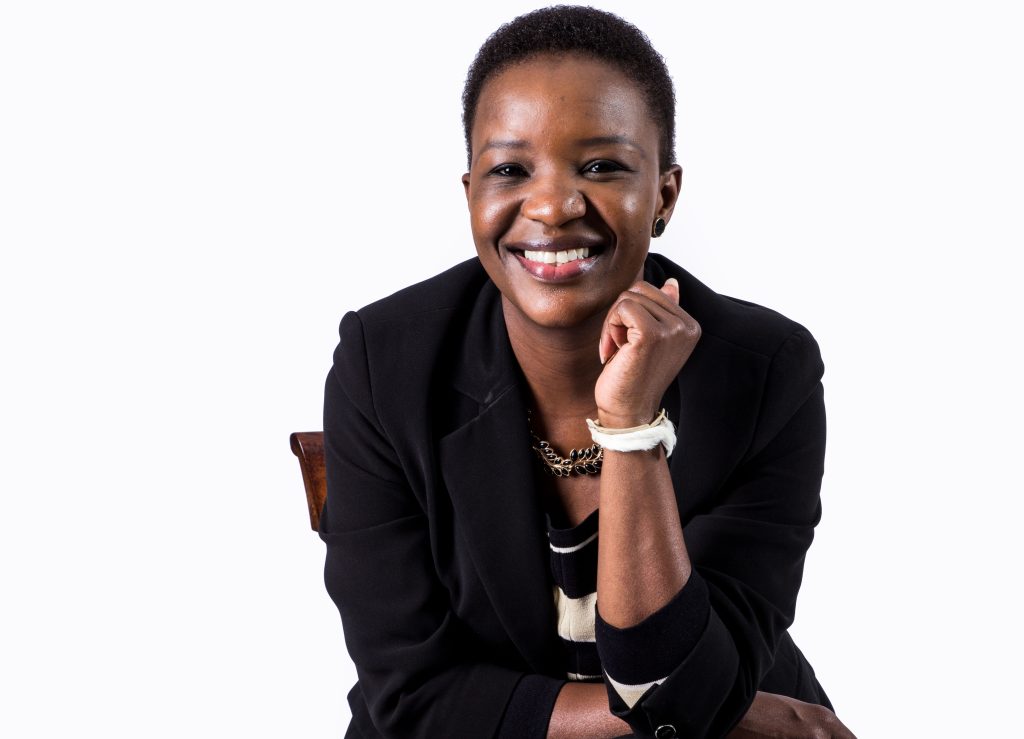
Busi Mavuso is CEO Business Leadership South Africa.
Follow Moneyweb’s in-depth finance and business news on WhatsApp here.
#SAs #increasing #fiscal #discipline #infrastructure #spend