
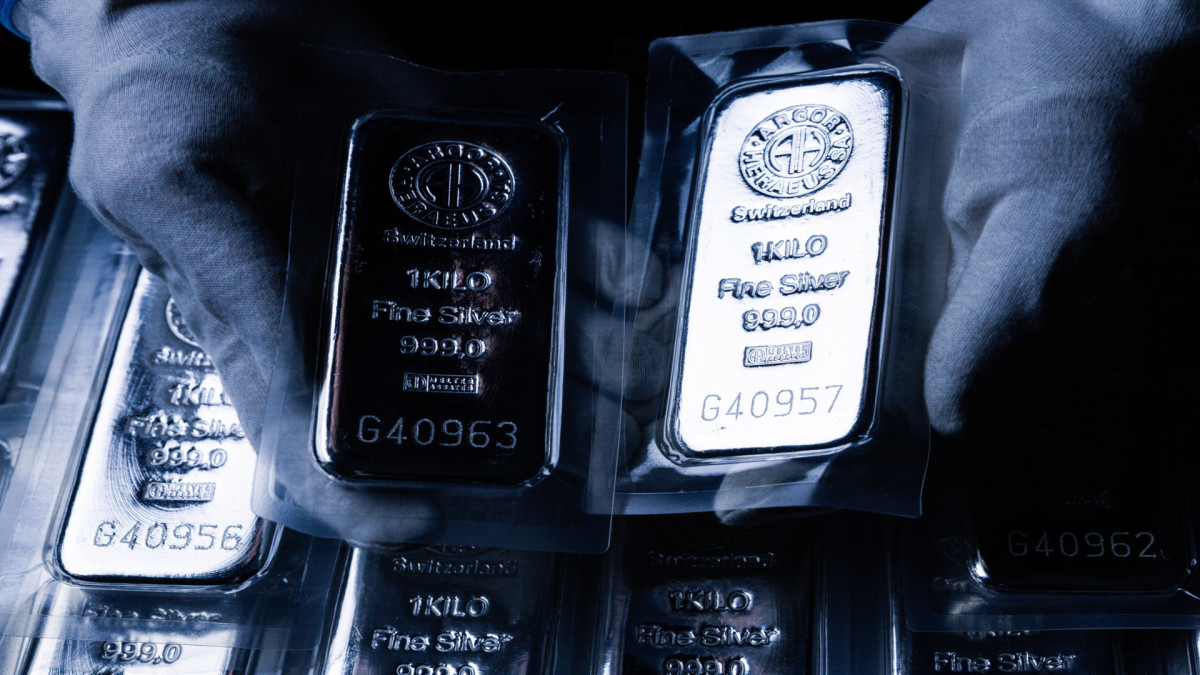
Gold has been falling. Silver has been falling faster. That gap is not a coincidence, and it tells investors something important about what is really driving the precious metals selloff right now.
Silver fell to $66.93 per ounce on March 19, a $10.84 fall in a single session. That follows a 3% slide on March 18, when the metal hit its lowest level in about a month. Gold has pulled back sharply too, but nowhere near as hard. The gold-to-silver ratio has widened significantly, a sign that silver is absorbing extra punishment that goes beyond the broader precious metals selloff.
To understand why, you have to understand what silver actually is. It is not just a safe-haven asset. It is an industrial metal first, and that double identity is working against it right now.
Why the Fed decision hit silver harder than gold
The Federal Reserve held rates steady on March 18 at 3.5% to 3.75% and signaled just one rate cut for all of 2026. That is bad for gold. It is worse for silver.
Gold pays no interest. When real yields rise and rate cuts get pushed out, holding gold becomes more expensive relative to Treasuries. Silver faces the same problem, but with an added layer. Around 60% of silver demand comes from industrial uses: solar panels, electric vehicle batteries, electronics, and medical equipment. When the macro environment turns hawkish and growth slows, industrial demand weakens alongside investment demand.
More Gold and Silver:
- Gold, silver surge after record drop flashes technical signal
- Silver and gold tumble triggers major reset for mining stocks
- J.P. Morgan revises gold price target for 2026
“Global markets have seen broad selloffs as investors search for the quickest assets to sell,” Paul Surguy, managing director at Kingswood Group, said in comments to CNBC. “Perhaps we are now seeing the next leg of this phase where the perceived safe haven assets are sold to fund purchases of those that may have overreacted to the current situation.”
That framing captures the dynamic precisely. Silver is being sold not because its long-term story has changed, but because it built up enormous speculative positioning during the 2025 rally and investors are now unwinding those bets.
How silver got here: a stunning rally followed by a brutal reversal
To understand the current selloff, the starting point is January 2026. Silver surged to an all-time high of $121.60 per ounce on Jan. 29, driven by a combination of safe-haven demand, dollar weakness, and heavy speculative buying. The rally had been extraordinary, with silver up 135% over the course of 2025 alone.
Then on Jan. 30, everything reversed. Silver plunged 33% in a single session, its worst day ever recorded, as President Trump announced the nomination of Kevin Warsh as the next Federal Reserve chair. Warsh is widely viewed as an inflation hawk. Markets immediately repriced rate cut expectations higher, the dollar surged, and leveraged precious metals positions collapsed.
Silver has been attempting to stabilize in the weeks since, trading in the $75 to $80 range. The March 18 and 19 sessions represent a fresh leg lower, driven by the Fed’s hawkish hold and continued dollar strength.
What is weighing on silver right now:
- Fed holding rates at 3.5%-3.75% with only one cut penciled in for 2026, removing a key tailwind for non-yielding metals
- Dollar Index strength is making silver more expensive for international buyers and suppressing global demand
- Industrial demand concerns as manufacturers and solar panel makers pause buying amid price volatility
- Leveraged fund liquidations are unwinding speculative positioning built during the 2025 rally
Silver’s industrial identity is both its strength and its weakness
Silver’s long-term bull case is built on its industrial role. Solar panel manufacturing alone is expected to consume record amounts of silver in 2026. Electric vehicle production, 5G infrastructure, and AI data center construction all require significant quantities of the metal. The Silver Institute has projected a sixth consecutive year of structural supply deficit in 2026, with demand outpacing mine supply.
Stiller/Bloomberg via Getty Images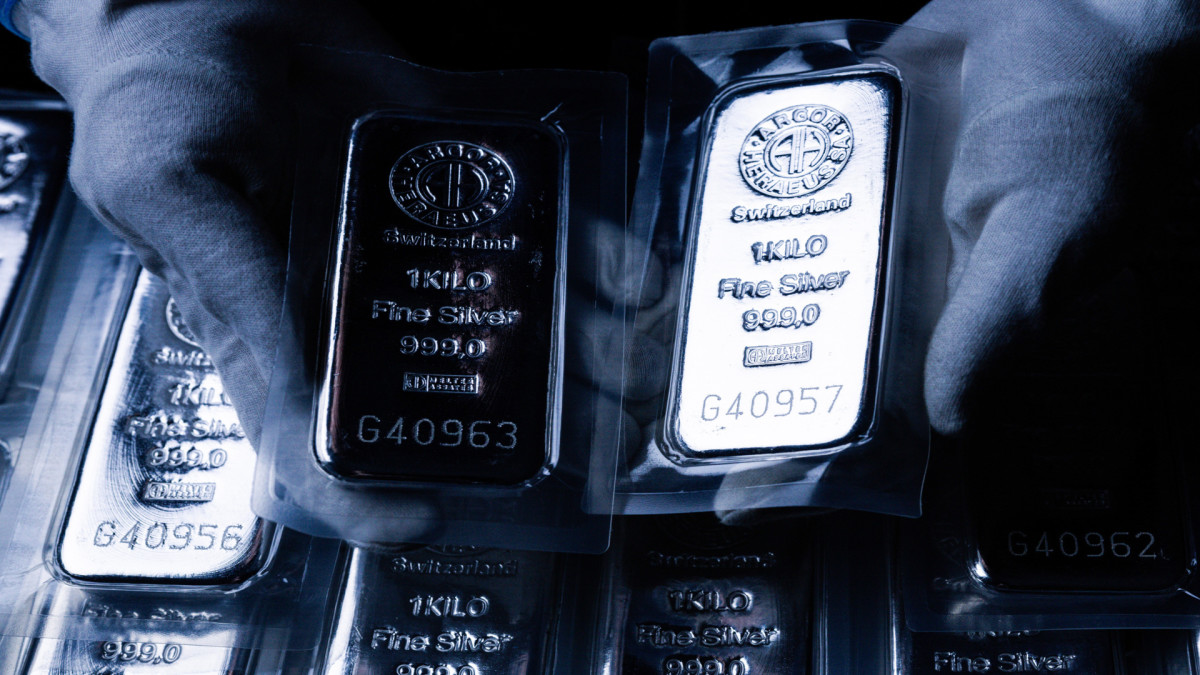
But in the short term, that industrial identity creates a vulnerability that gold lacks. When inflation fears rise and rate cuts get pushed out, manufacturers slow their purchasing. When the economy looks like it might weaken, solar project timelines get delayed. Industrial demand is not as steady as central bank gold buying, and silver feels that uncertainty more acutely.
The current environment has handed silver both problems simultaneously: a hawkish Fed killing the investment thesis, and industrial demand uncertainty killing the fabrication thesis.
What silver needs to find a floor
The path to stabilization for silver runs through the same macro forces that knocked it down. A softer inflation reading that revives rate cut expectations would relieve pressure on the dollar and make non-yielding assets more attractive. Any sign that industrial demand is holding up, particularly from solar manufacturers and EV battery makers, would help close the gap with gold.
The long-term structural case for silver has not changed. Supply deficits, growing industrial demand from clean energy, and silver’s role in the technologies reshaping the global economy remain intact. The question for investors right now is whether the short-term macro headwinds will ease before the next leg of that structural story plays out.
For now, the dollar is strong, the Fed is tight, and silver is paying the price for both.
Related: Analysts have a message for investors on the silver price drop
#Silver #price #today #warning #bigger