
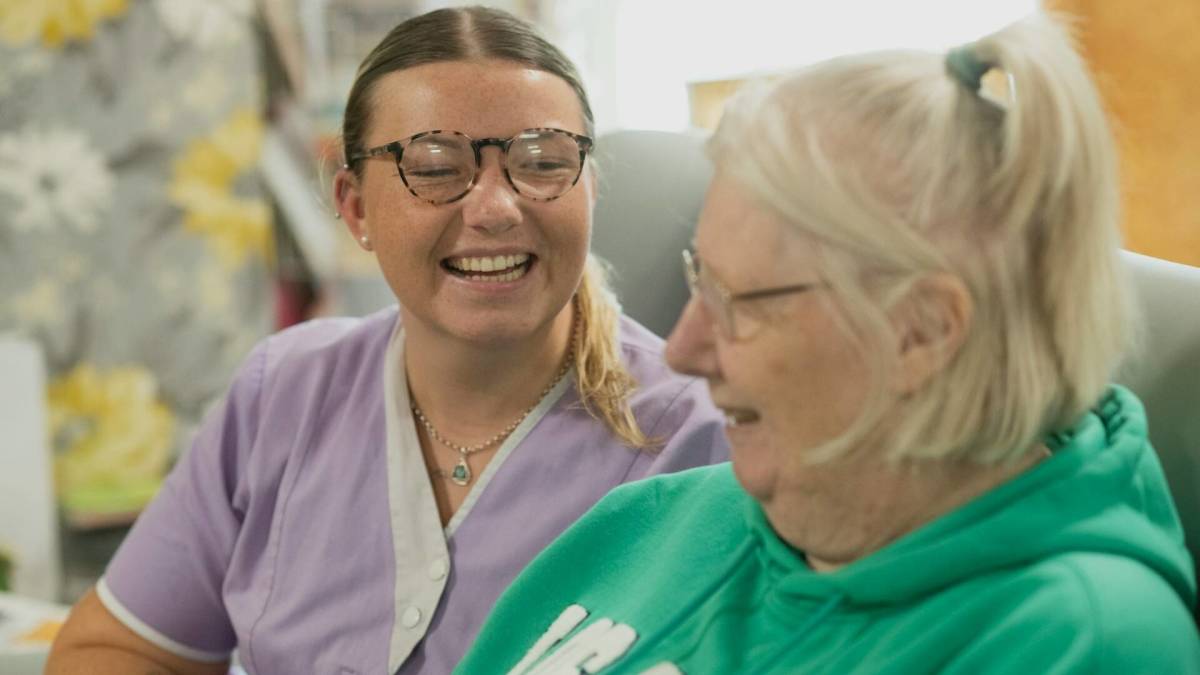
For many Gen X households, the moment arrives suddenly.
One day, a parent is independent. The next day, a health scare, hospital visit, or unexpected diagnosis forces the family to confront a new reality: Someone must step in as the caregiver.
In an interview, certified financial planner Sandy Adams says many families aren’t ready for that moment.
For many Gen X households, caregiving is no longer a distant possibility. It is quickly becoming a reality, said Adams, a partner with the Center for Financial Planning.
Below is a transcript of that interview with Adams, edited for clarity and brevity.
When Gen X becomes the caregiver
Robert Powell: Are you a Gen Xer? There may come a day when you become a caregiver. And long before that happens, you should put a plan in place, because no one wants to do this kind of planning in the middle of a crisis.
Here to talk with us about that is Sandy Adams. She is a certified financial planner with the Center for Financial Planning. Sandy, welcome.
Sandy Adams: Thank you for having me.
Robert Powell: It’s a pleasure. And it will be a pleasure having you share your knowledge about this topic, with which you have personal experience.
Sandy Adams: Yes, I absolutely do. I’ve been advising clients on this for almost two decades. But this past summer, I suddenly realized I was experiencing it myself. My parents’ health changed quickly, and I became the primary caregiver. My brother lives in another state and couldn’t take on the responsibility.
So suddenly, I was the caregiver. That’s the reality for many Gen Xers. We are often in the middle between aging parents and, in many cases, children who may still be at home or recently launched. Sometimes there are even grandchildren involved.
We’re the middle generation. Sometimes caregiving happens suddenly, and sometimes it evolves slowly as parents begin to need more support. I’ve advised clients on this for years, and now I’m living it myself.
Why caregiving is different for Gen X
Robert Powell: Gen Xers face some unique challenges. They’re the smallest generation, and they’re often at a particular stage in their careers and family life. Tell us more about that.
Sandy Adams: Right. Because of where we are in life, we often have aging parents who need more help while we’re still raising children. Many of us are also in the peak of our careers.
So we’re juggling a lot at once. It can be difficult to decide what and who should take priority.
Another factor is that many Gen Xers were raised to be independent. That independence can make it difficult to ask for help when we need it. We often feel like we have to do everything ourselves.
All those competing priorities make it even more important to pause and think about how to prepare ahead of time.
Age Cymru
Reframing the caregiver role
Robert Powell: There’s a common phrase that when adult children start caring for their parents, they’re “parenting their parents.” But you have a different perspective on that.
Sandy Adams: Yes, I think we need to rethink that idea. We often say the roles reverse and the parents become the children. But I don’t think that’s the right way to think about it.
Our parents deserve respect. Instead of viewing it as parenting them, I think of it more as a partnership.
In that partnership, we help them make decisions during one of the most vulnerable periods of their lives. We draw on everything we know about them from a lifetime together.
Our role is to help guide them and support their decision-making, while allowing them to remain in control as much as possible.
Five steps to take before a caregiving crisis
Robert Powell: Let’s talk about the steps new caregivers should take before a crisis hits.
Sandy Adams: The first step is to get ahead of things whenever possible. That means having conversations with your parents and family members before a crisis occurs.
Ask your parents how they want things to look as they age. What kind of care would they want if health challenges arise? It’s much easier to have those conversations while everyone is healthy and able to participate.
Those discussions should also involve siblings and other family members. Decide who will take on different responsibilities. Talking through those roles early can prevent confusion later.
The second step is organizing important documents. Know where key documents are stored and make sure they’re completed and up to date.
In my own situation, my parents had discussed these documents but had not signed them. When my father ended up in the hospital, the health care power of attorney had not yet been completed. That could have created a serious problem.
Robert Powell: What documents should families focus on?
Sandy Adams: There are several. A HIPAA authorization is important so caregivers can access medical information. A health care power of attorney is essential.
Families should also review whether a will is in place and whether a trust might be appropriate. Beneficiary designations should be reviewed as well.
Sometimes those documents were created decades earlier and never updated. It’s important to make sure everything reflects current wishes.
Also worth reading
- Retirees may want to rebalance as markets broaden, volatility rises
- Why “breaking even” on Social Security is the wrong goal
- The $83,250 secret every solo entrepreneur needs to know for 2026
- Medicare mistakes seniors wish they’d known sooner
- Elon Musk says stop retirement saving: Experts call it ‘nonsense’
- Social Security benefits could drop 7% in 2032
Talking about finances and care preferences
Robert Powell: What comes next?
Sandy Adams: Another key step is family communication about the financial plan. Families should discuss what resources are available and what types of care might be affordable in the future.
A family meeting with financial professionals can be very helpful. That way everyone understands the plan and the financial realities involved.
Families should also discuss care preferences. Some parents want family members to provide hands-on care. Others prefer professional caregivers for tasks such as bathing or personal care, while reserving family time for conversation and companionship.
Those preferences matter, and they should be discussed in advance.
Building a caregiving support team
Robert Powell: What about building a support system?
Sandy Adams: That’s one of the most important steps. Gen X caregivers often have many competing demands. Trying to handle everything alone can be overwhelming.
It’s important to build a support network. That might include legal professionals, financial professionals, and caregiving specialists.
For example, a geriatric care manager can help coordinate medical care and interpret complex medical information. Unless you work in the medical field, navigating that system can be very challenging. Having a professional guide can take a significant burden off the caregiver.
Navigating difficult family conversations
Robert Powell: These family conversations can be difficult to start. Parents may not want to talk about aging, and children may not know how to bring it up. Any advice?
Sandy Adams: Financial advisers can often help initiate these discussions. As an adviser, I sometimes frame the conversation as a gift that parents can give their family.
By sharing their wishes and making plans in advance, they help reduce stress and uncertainty for everyone involved.
It also allows them to remain in control of their future as much as possible.
Understanding the medical side of caregiving
Robert Powell: Another challenge is understanding a parent’s medical condition and diagnosis. How much should caregivers know?
Sandy Adams: Caregivers often become advocates for their parents in the medical system. That means understanding diagnoses, treatment options, and medical terminology.
Even with my background and a master’s degree in gerontology, I still encounter medical terms that are difficult to interpret.
That’s why working with professionals such as a geriatric care manager can be so helpful. They can attend medical appointments, interpret records, and explain what everything means.
Without that support, caregivers often turn to internet searches, which can create unnecessary fear and confusion.
Caregiving is a learning process
Robert Powell: Caregiving often feels like “just-in-time training.” One day you know nothing about it, and the next day you’re expected to know everything.
Sandy Adams: That’s exactly right. Many caregivers feel like they’re failing because they’re learning as they go. But they shouldn’t feel that way.
If you’re doing your best for someone you love, that’s what matters most.
Caregiving sometimes requires you to step outside your comfort zone. There were times I spoke up on behalf of my father in ways I never imagined I would. But when someone you love needs help, you find the strength to do what’s necessary.
Robert Powell: Sandy, thank you for sharing your knowledge and your personal experience with us.
Sandy Adams: Thank you very much for having me.
Related: A simpler way to pass on your home without probate
#moment #realize #youre #caregiver