
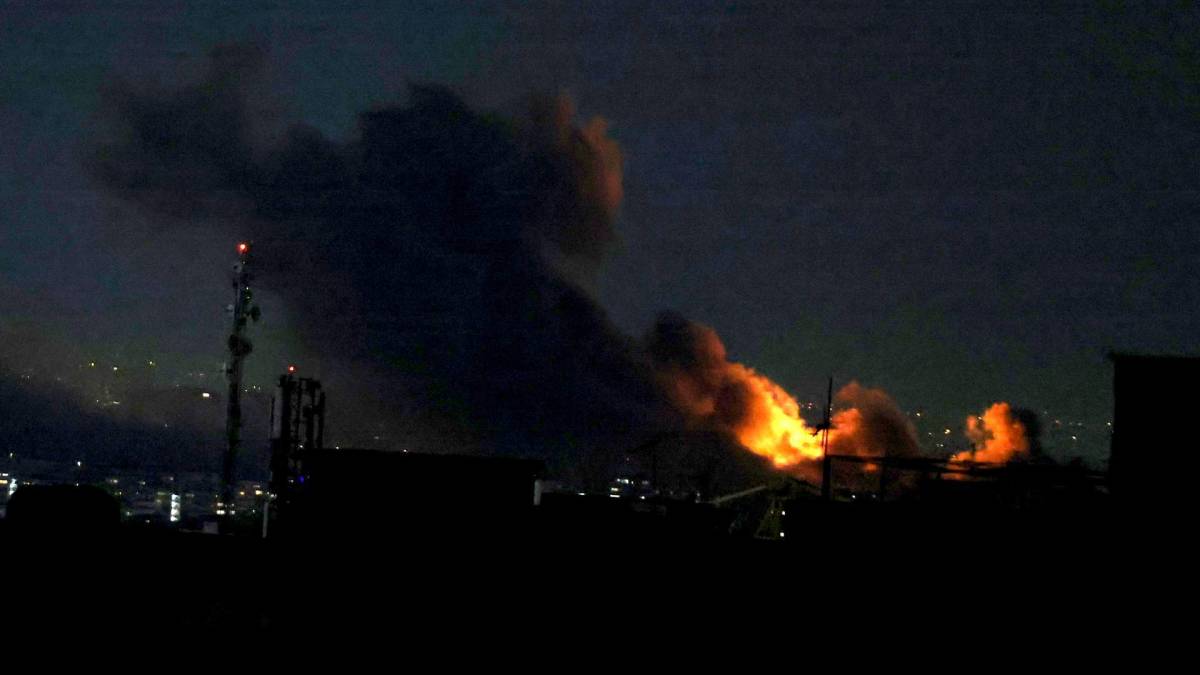
President Trump’s hardest Iran decision may not be whether to keep up military pressure. It may be whether to send Americans in after the bombing stops. The Wall Street Journal reported March 30 that Trump is weighing a military operation to extract 972 pounds of enriched uranium from Iran if diplomacy fails.
Reuters reported that the Pentagon has been building regional force capacity that could support options including extracting uranium, seizing Kharg Island, or protecting shipping routes. Neither report says a final decision has been made.
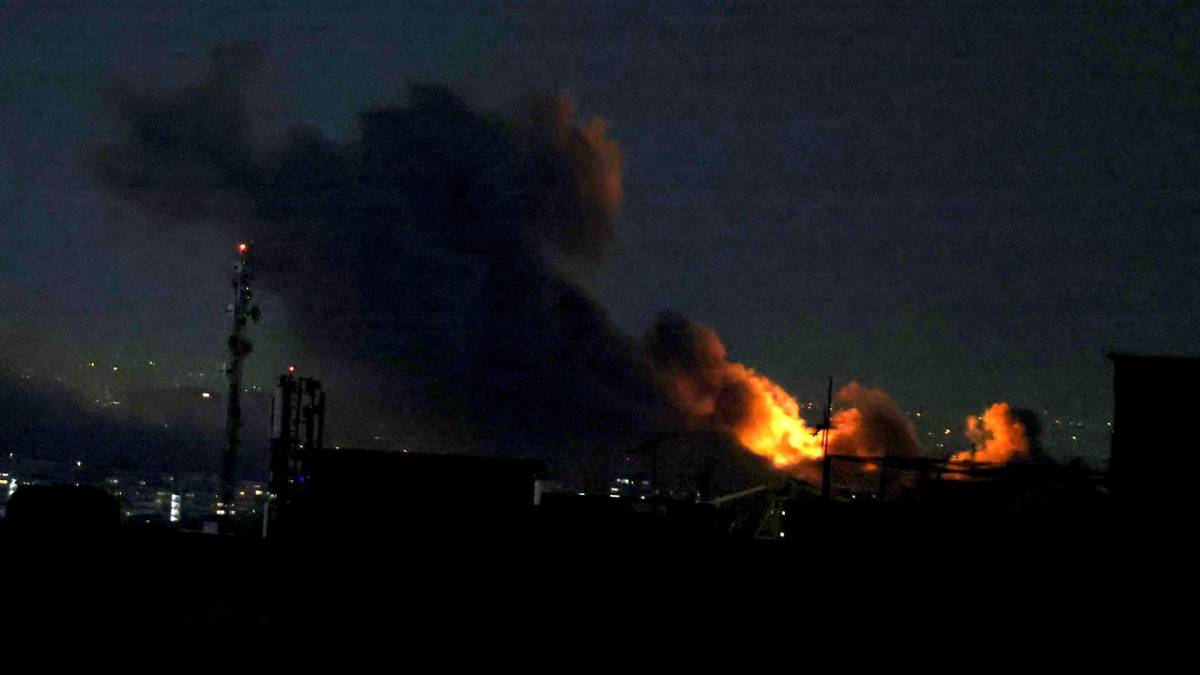
ATTA KENARE / Contributor via Getty Images
The debate has been building for days
The latest reporting fits into a broader pattern that has been emerging behind the scenes. Over the past week and a half, multiple accounts have described internal discussions about how to prevent Iran from retaining access to enriched uranium if diplomacy breaks down, with the central question being whether the United States is prepared to put troops on the ground rather than rely only on bombing and pressure.
More on Iran
- High gas prices, Iran war take huge toll on U.S. consumer confidence
- Citigroup holds firm on S&P 500 target despite Iran tensions
- The market finally sees energy and agriculture risk in Iran — why are they ignoring a possible “AI black swan?”
The urgency comes from the material itself. International Atomic Energy Agency chief Rafael Grossi has said a large share of Iran’s uranium enriched up to 60% purity is believed to be at Isfahan, while other reports say inspectors still do not have a complete picture of conditions at every underground site.
The operation would be much harder than the headline suggests
The idea of “seizing the uranium” sounds cleaner than the mission would be in practice. Grossi has said the stockpile is stored in uranium hexafluoride cylinders and that recovering it could be extremely difficult, especially if the relevant sites are damaged, blocked by rubble, or mixed with decoys.
Related: Stocks & Markets Podcast: Homeland Uranium CEO sees ‘field of dreams’ in nuclear sector
A military operation built around that problem would likely go well beyond a quick raid. U.S. forces would need to secure the area, identify the correct material, protect the removal effort, and then move it out without turning the mission into a wider battlefield escalation.
The regional buildup is making the decision more real
Military movements in the region are adding weight to the debate. Thousands of U.S. Army paratroopers have begun arriving in the Middle East as the Pentagon expands regional force capacity, and while officials have not said those troops are destined for a ground mission in Iran, their arrival shows Washington is preparing for more than one scenario.
Diplomacy is still part of the picture, at least for now. Backchannel efforts have involved several intermediary countries, and Trump has said the United States is speaking to what he described as a more reasonable regime in Iran, leaving both tracks open at the same time: pressure backed by military preparation, and a final effort to avoid a more dangerous operation.
Why this may become the defining call
The administration can still frame this crisis around deterrence, coercion, and leverage as long as the fighting remains limited to strikes and threats. Once U.S. troops are sent in to secure nuclear material, the frame changes completely and starts to look like a direct intervention with no guarantee of a clean exit.
That is the decision now hanging over the White House. Bombing can be presented as pressure, but sending forces in to seize uranium could mean accepting much higher risks of casualties, escalation, and a mission that ends up growing beyond its original scope.
Related: Chevron CEO sounds alarm as Trump puts a 10-day clock on Iran
#Trumps #toughest #Iran #decision #strikes