
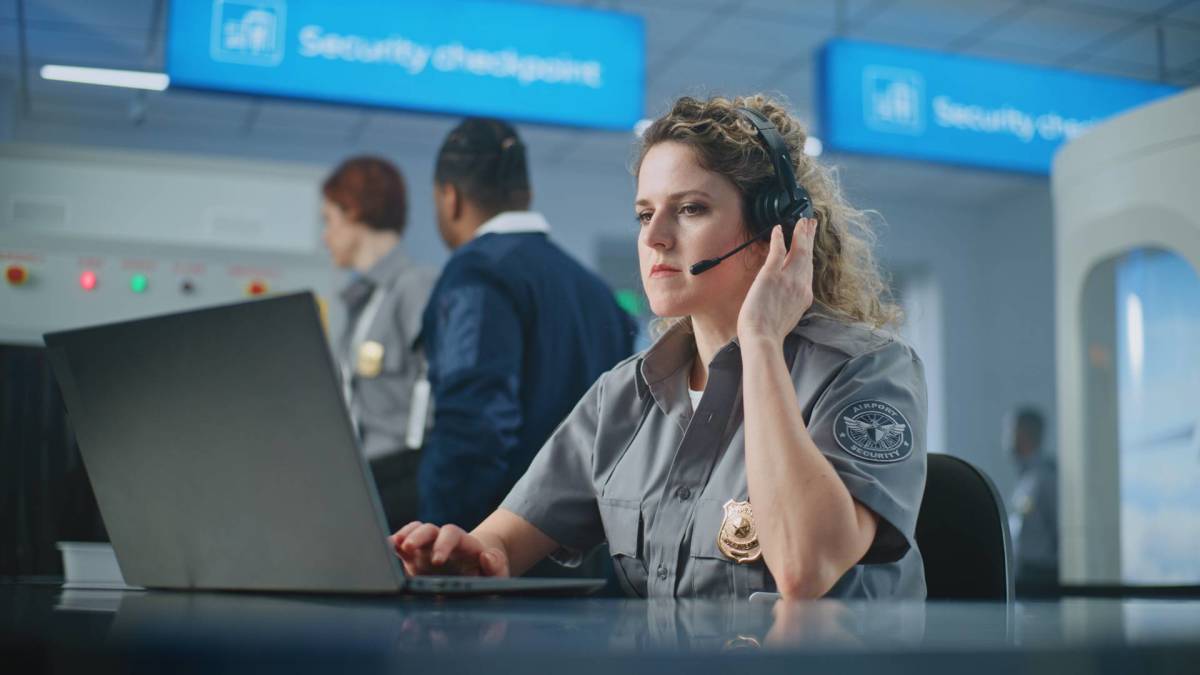
Airport security checkpoints are facing a new strain, with longer lines, overworked officers, and a tension that feels different from the norm.
What you are witnessing is the visible result of a political crisis in Washington that has made airport security unsustainable. The Transportation Security Administration officers who check your ID and scan your bags have been working without pay for more than six weeks now.
These federal employees show up each day unsure when their next paycheck will come, while travelers pass through security without a second thought. They’re forced to choose between rent and groceries, mortgage payments and medicine, all while keeping passengers safe in the air.
TSA workers have lost $1 billion in collective wages during the shutdown
The financial damage to TSA employees has reached staggering proportions that illustrate just how long this political standoff has dragged on without resolution.
Approximately 61,000 TSA employees have been working without pay since the Department of Homeland Security shutdown began on Feb. 14, 2026, according to Congressional testimony from acting TSA administrator Ha Nguyen McNeill.
Related: The crazy airport lines have expanded to Disney
Workers have collectively missed more than $1 billion in wages during this period, turning essential security personnel into unwilling volunteers serving their country. The human cost of this political standoff cannot be measured solely in dollars, though the financial impact on working families is severe enough.
Nearly 500 TSA workers have quit their positions entirely since the shutdown began, unable to continue working indefinitely without the paychecks they desperately need. These resignations are worsening staffing shortages at checkpoints already strained by widespread sick calls.
Call-out rates have skyrocketed from 4 to 50 percent at some airports
The operational impact on airport security has been dramatic and measurable, directly affecting every traveler passing through American airports today. Call-out rates at some airports have skyrocketed from a normal baseline of approximately 4 percent to between 40 and 50 percent on certain days.
Workers who might normally push through minor illness or personal challenges are staying home when there is no paycheck waiting anyway. The remaining workers who do show up face impossible demands with inadequate staffing to maintain normal checkpoint throughput and security standards simultaneously.
Longer lines mean more frustrated passengers, which creates additional stress for officers already struggling with their own financial anxieties at home. The atmosphere at many checkpoints has become tense and volatile in ways that concern both travelers and the workers trying to protect them.
Assaults on TSA officers have increased by more than 500% since February
Perhaps the most alarming consequence of the shutdown has been the dramatic increase in violence directed at TSA officers by frustrated passengers at checkpoints. Assaults on officers have increased by more than 500 percent since the shutdown began, according to agency testimony before Congress examining the crisis.
The combination of exhausted workers, long wait times, and stressed travelers has created a combustible environment at airports nationwide. You should expect significantly longer security lines if you are traveling in the coming weeks, especially at major hub airports during peak travel times.
The agency has deployed ICE officers to some airports starting March 23, 2026, to assist with checkpoint operations and crowd management duties where possible. These deployments represent an extraordinary measure that underscores how severely the shutdown has stretched TSA’s operational capabilities across the national aviation system.
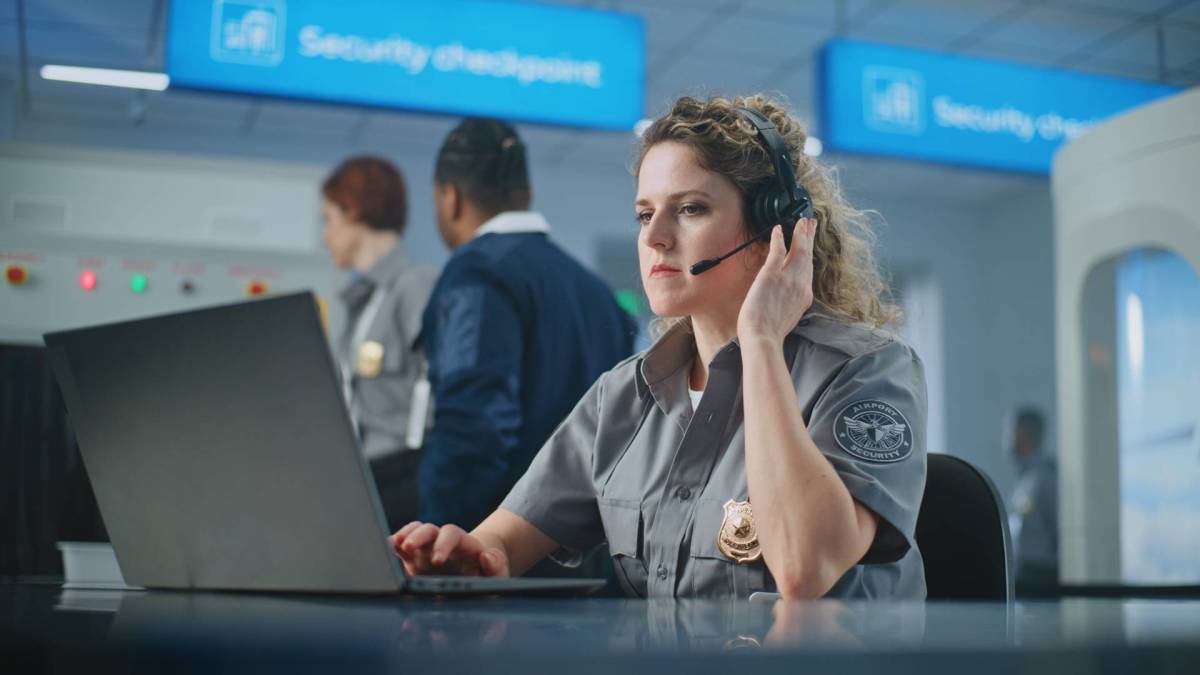
Most TSA positions pay around $40,000, with unpaid work
The financial reality facing TSA workers makes this shutdown particularly cruel compared to those affecting higher-paid federal employees in other agencies. Most TSA screening officer positions start at approximately $40,000 to $45,000 annually, which translates to relatively modest biweekly paychecks that many workers depend on completely.
Missing even a single paycheck at these income levels can trigger cascading financial problems, including late fees, overdrafts, and missed essential payments. These workers often live in expensive metropolitan areas around major airports, where housing costs consume a substantial portion of their modest incomes each month.
Six weeks without pay represents a genuine financial crisis for families already living paycheck to paycheck with minimal emergency savings to cushion unexpected gaps. The stress affects not just their personal finances but also their ability to focus on the critical security work that keeps millions safe.
Frame Stock Footage/Shutterstock
The shutdown began over immigration funding and shows no signs of ending soon
Understanding how we arrived at this crisis requires looking back at the political fight that shut down the Department of Homeland Security entirely. The shutdown began on Feb. 14, 2026, when Congress failed to pass funding legislation to keep DHS operating through regular appropriations processes.
The sticking point centered on immigration enforcement funding, particularly for agencies such as Immigration and Customs Enforcement and Customs and Border Protection, according to Congressional reporting on the shutdown.
Related: Apple CEO Tim Cook drops strong immigration message
The Senate passed a bipartisan bill that would have funded DHS, excluding ICE and CBP, in an attempt to separate the immigration dispute from essential security services.
The House rejected that approach, and Congress left for a two-week recess that extends until April 13, 2026, leaving TSA workers trapped in a political standoff. Workers have absolutely no power to resolve the disagreement themselves, yet are still expected to show up every single day and protect travelers.
A presidential memo promises back pay, but the delivery timeline remains uncertain
President Donald Trump issued a presidential memorandum on March 27, 2026, ordering that TSA workers receive their back pay as quickly as possible through available mechanisms. The Department of Homeland Security said workers could see paychecks as early as Monday, March 30, 2026, though the exact timing depends on various logistical factors.
The funding source comes from the One Big Beautiful Bill Act, which allocated $10 billion to DHS operations that can be redirected for payroll. Federal law passed in 2019 guarantees that essential federal employees receive back pay once a shutdown ends, in theory protecting workers from permanent wage losses.
“Until that paycheck hits that account, you can expect the same,” said Aaron Barker, president of AFGE Local 554.
You should know this guarantee exists, but it offers little comfort to someone facing eviction or utility shutoffs while waiting for a resolution. The promise of eventual payment does nothing to help workers pay their bills during the actual shutdown while they await political agreement.
Steps travelers should take to navigate airports during the shutdown
- Arrive at the airport at least three hours before domestic flights and four hours before international departures to account for screening delays.
- Check your airline’s mobile app and TSA’s website for real-time checkpoint wait times at your departure airport before leaving home.
- Consider enrolling in TSA PreCheck if you travel frequently, as dedicated lanes typically have shorter waits during high-volume periods.
- Pack smart by removing prohibited items before arriving and keeping electronics easily accessible to significantly speed your screening process.
- Remain patient with TSA officers, who are working under extreme stress without pay and facing unprecedented challenges at checkpoints.
The shutdown’s end remains uncertain, with Congress on recess until mid-April
Looking ahead, the shutdown could extend well beyond the current duration, depending on how negotiations proceed when Congress returns from recess next month.
The fundamental disagreement over immigration enforcement funding that triggered this crisis remains completely unresolved, despite the mounting pressure on essential workers and services.
More Travel:
- The world fires back on Trump’s new travel ban
- Low-cost airline adds 5 new flights to popular beach destinations
- American Air launching 15 new summer routes between U.S. cities
Political dynamics suggest neither side feels sufficient pressure to compromise its core position on border security and enforcement priorities. For travelers, this uncertainty means building flexibility into spring and summer plans where possible and accepting that airport experiences may remain degraded for weeks.
The workers protecting your flights deserve far better than political gridlock that treats their livelihoods as acceptable collateral damage in Washington’s ongoing battles. Until Congress resolves this standoff, you will navigate an airport security system operating under extraordinary strain with uncertain timelines for relief.
The situation also raises broader questions about how the country treats essential workers who keep critical infrastructure operating during political disagreements.
These TSA officers cannot strike or walk off the job without severe consequences, yet they are expected to continue protecting millions of travelers without the basic dignity of a paycheck. The next time you pass through security, remember that the person checking your ID may have no idea how they will pay this month’s rent.
Related: What flyers need to know about huge TSA airport delays
#TSA #owed #billion #pay #travelers #pay #price