
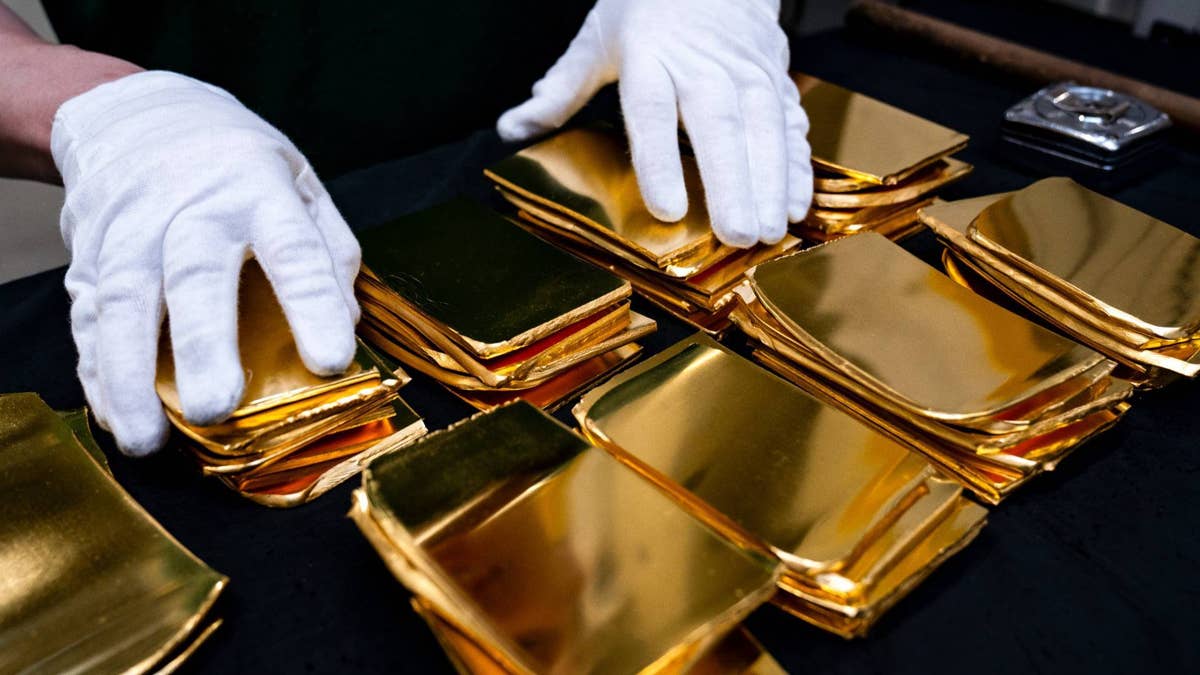
Gold is rising for the eighth time in nine sessions. Analysts say the move is telling investors something important about the broader market environment.
Spot gold prices are trading near $4,771 per ounce, after hitting a near three-week high this week, putting gold on track for a third consecutive weekly gain, Bloomberg reported.
What is driving the gold price move
Two forces are lifting gold right now. The first is a weaker U.S. dollar. A softer dollar makes bullion more affordable for buyers using other currencies, giving gold a mechanical boost.
The second is the fragile state of the U.S.-Iran ceasefire. Israel continued striking targets in Lebanon on April 9, which Tehran says must be included in any ceasefire. There was still no sign Iran had lifted its blockade of the Strait of Hormuz. Only five vessels passed through the strait in the first 24 hours of the truce, compared with roughly 140 per day before the war, FXStreet reported.
More Gold:
- Gold just saw its biggest decline since 1983: What’s next
- Gold and silver bugs face grim reality check
- Gold’s price is falling fast: Here’s what comes next
“The weaker dollar has helped gold regain its footing, but there is caution in the market as participants try to interpret what the ceasefire means,” said Bob Haberkorn, senior market strategist at RJO Futures. “The ceasefire headlines were very bullish for gold, but prices have pulled back from recent highs as cracks show,” he added, according to MarketScreener.
What gold analysts are really saying about prices
The message from analysts is not simply that gold is strong. It is that the rally reflects genuine uncertainty about whether the ceasefire will hold, what happens to inflation if it does not, and what the Fed will do next.
Edward Meir, analyst at Marex, put it plainly:
“The ceasefire is calming markets and easing pressure. It could help roll back some inflationary pressures and might open the door for Fed rate cuts, which is bullish for gold,” he said. “But it’s still very tenuous. There are so many elements that need to be negotiated. They could easily unravel,” he added, according to CNBC.
Morgan Stanley sees gold stable through the second quarter before rebounding in the second half of the year. “If Fed hikes are avoided, we think gold could rebound, while a resolution to the conflict would also be supportive, likely bringing back focus on fiat currency debasement,” the bank said.
Lemanski/Getty Images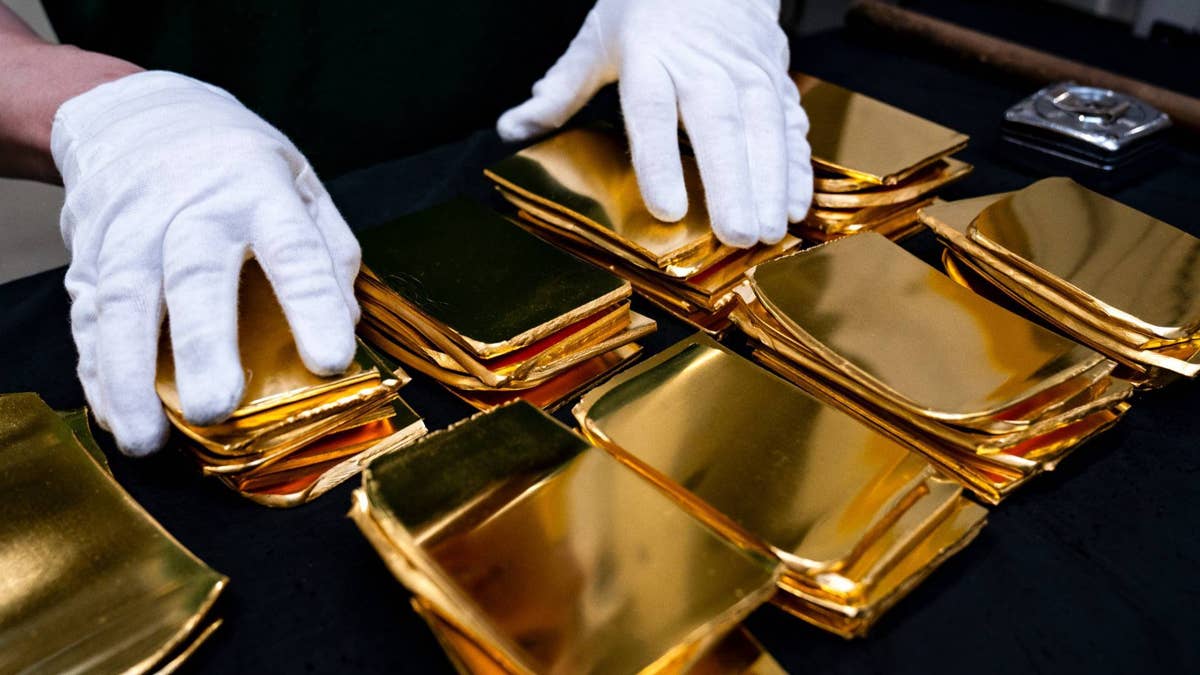
Inflation, rates backdrop is murky
Gold’s path from here depends partly on what U.S. inflation data shows. The March Consumer Price Index (CPI) showed headline inflation up 3.3% year over year. The Personal Consumption Expenditures (PCE) index, the Fed’s preferred gauge, advanced 2.8% in the year through February.
If the ceasefire breaks down and energy costs surge again, inflation could rise further. That could force the Fed to keep rates higher for longer. Higher rates reduce the appeal of non-yielding assets like gold, even when they are used as a safe haven.
Fed officials flagged exactly this tension earlier in the week. Vice Chair Philip Jefferson described rates as broadly neutral, while New York Fed President John Williams said his outlook for underlying price pressures was largely unchanged, according to OilPrice.com.
Key figures in the current gold market:
- Spot gold on April 10: $4,771/oz.
- Gold’s decline since the war began February 28: nearly 10%
- Gold’s all-time high: above $5,600 in January 2026
- Strait of Hormuz daily traffic during ceasefire: 5 vessels vs 140 pre-war
What this means for investors
Gold does not pay income or dividends. People buy it when they want safety, not returns. A strong run in gold often signals that investors are looking for cover rather than chasing growth.
The current rally fits that pattern. Gold has recovered from a nearly 10% decline since the war began on February 28, when it fell from all-time highs above $5,600. The partial recovery reflects relief from the ceasefire, not confidence that the danger is gone.
Standard Chartered analysts forecast gold may strengthen further in the coming months if geopolitical risks persist. The core message is straightforward: watch what gold is doing, because it is often telling you something the broader market has not yet priced in.
Related: Goldman Sachs has blunt message on gold price for rest of 2026
#Analysts #offer #hot #gold #price #surge