
If you’ve ever watched a big winner in your portfolio suddenly stall, you know the mix of pride and panic that hits your stomach at the same time. You see the green on your statement and, at the same time, you feel that “uh‑oh” in your chest.
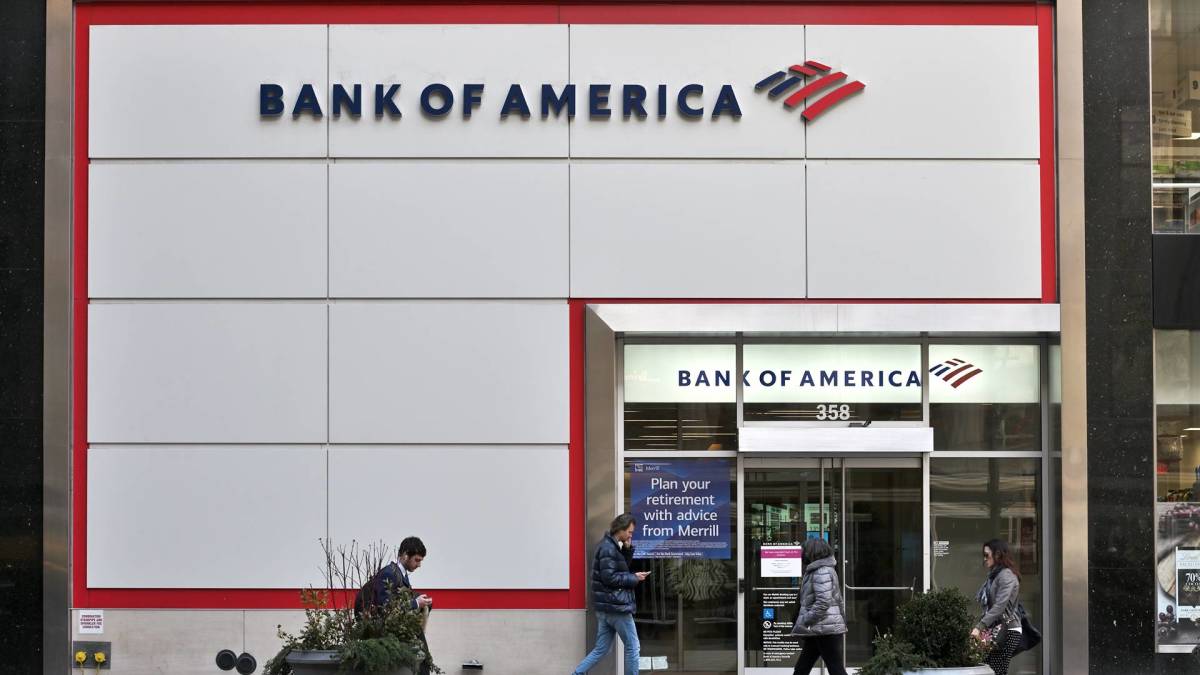
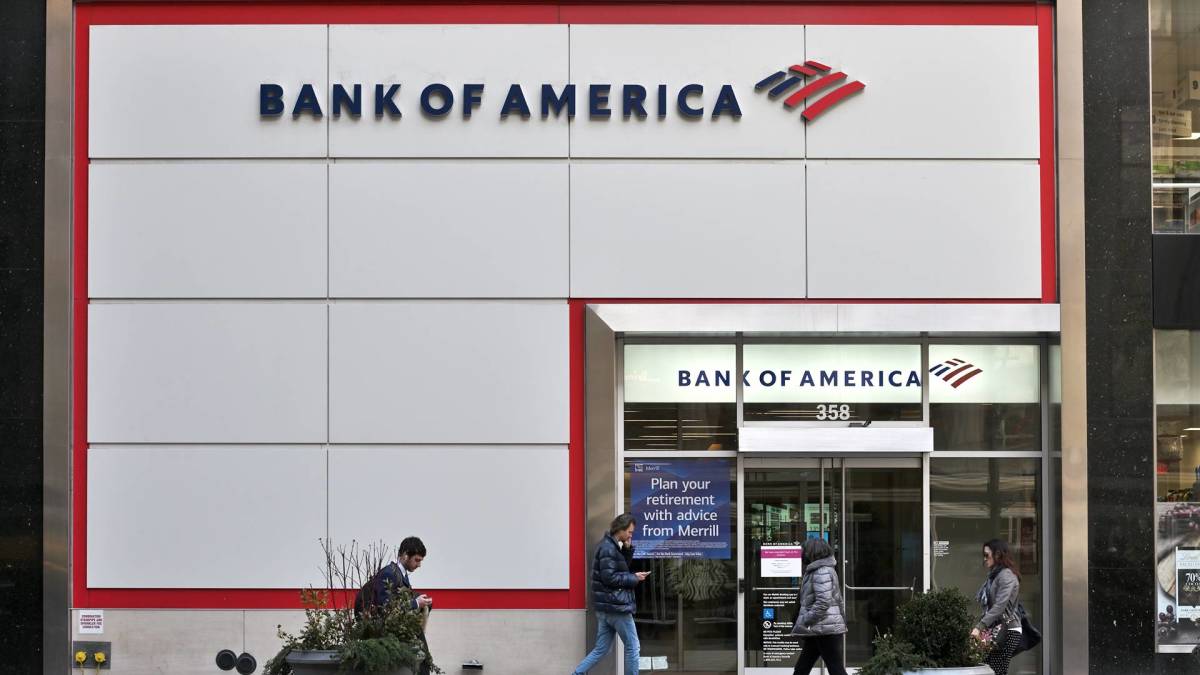
Bank of America just cut its rating on Carvana to neutral from buy and lowered its price target to $360 from $400. That still implies mid‑teens upside from here, according to CNBC. The change in tone hits harder because only a couple of weeks earlier, the same firm was pounding the table with a buy rating and a $400 target, arguing that Carvana’s vertical integration and online scale still justified a premium.
Carvana’s stock nearly quadrupled in 2024 as the company cut costs, improved profitability, and became one of the best performers in auto retail. Shares are still up about 93% over the past year even after falling roughly 26% so far in 2026, according to CNBC. If you own it, you may be sitting on big gains and fresh doubts at exactly the same time.
astudio/Shutterstock
Why Bank of America changed its mind
On the surface, Bank of America’s latest call looks modest: shift to neutral, trim the target, keep a bit of upside on the table. Underneath, the bank now sees 2026 as a tougher road for both Carvana and its customers.
Related: Carvana CEO shares blunt truth about EVs
Recent “macro industry developments” make near‑term risk and reward look “more balanced,” analyst Michael McGovern told clients. He pointed to a spike in oil prices and rising two‑year yields that squeeze already stretched lower and middle‑income buyers, according to CNBC.
He also cited an expected hit to discretionary spending from the conflict in Iran and a surge in U.S. gasoline prices of more than 30% after military strikes began in late February.
The context makes that shift more jarring. As recently as late March, BofA Securities reiterated a buy rating on Carvana with a 400 dollar target, highlighting its first‑mover advantage, almost 49% revenue growth over the prior 12 months, and profitability with diluted EPS around $8.45.
Carvana is expected to become the largest independent used‑car dealer in the U.S. by volume, helped by a planned five‑for‑one stock split and ongoing gains in online car buying, according to a summary on Investing.com.
More Automotive:
- Hyundai admits deadly defect caused more injuries than previously known
- Consumer Reports names 5 popular EVs with the best real-world range
- Uber targets 50,000 robotaxis in major Rivian, Nvidia deals
Now that same firm is essentially saying the story is intact but the easy part of the stock move is over. Carvana is “not expensive anymore, but not ready yet,” wrote one Seeking Alpha contributor, who argued that EBITDA momentum has wobbled just as the valuation reset about 35% from its highs.
From “zombie company” to crowded trade
To feel what this means, I have to rewind to where this stock came from. A few years ago, Carvana was being called a “zombie company” that had never generated positive free cash flow since going public in 2017. One research firm even lumped it into a “Walking Dead” list of companies that might never earn their way out of heavy debt, said TheStreet.
Then the script flipped.
Carvana cut more than 4,000 jobs, stripped out over $1.1 billion in annual expenses, and rolled out software tools like its “Carli” system to automate parts of vehicle reconditioning and operations, according to analyst notes summarized by TheStreet. The company later started delivering what it called “landmark” quarters, reporting unit growth and adjusted EBITDA margins that made it, by its own telling, “the fastest growing and most profitable public automotive retailer.
Wall Street followed the turnaround.
Needham raised its price target to $200 and kept a buy rating after a strong quarter, while Wells Fargo jumped its target to $175 and upgraded the stock to overweight, citing accelerating unit growth, said TheStreet. Baird later pushed its target to $240 as Carvana hit new records and bankruptcy chatter faded into the background.
If you bought in that phase, you weren’t just chasing a meme. You were betting on a real operating turnaround. But that success turned Carvana from a contrarian idea into a crowded trade.
Carvana’s 2025 rally left the stock with a rich valuation and high expectations going into 2026, even as consensus still called for sales to grow about 31% this year and EPS forecasts to rise more than a third, according to Zacks.
What changes for you in 2026
This is where the story stops being about Wall Street and starts being about you. When I look at a stock like this in my own portfolio, I don’t just see a ticker and a percentage gain. I see tuition bills, a retirement timeline, and the fact that fuel and food are already taking bigger bites out of my monthly budget.
Carvana’s shares are down roughly 26% so far in 2026 even after that huge rally, while the broader market has pulled back on geopolitical and rate fears, said CNBC.
Carvana is down about 35% this year but still trades at a steep premium, with a price‑to‑earnings ratio around 33, according to coverage syndicated by AOL. The same piece argued that a company can keep growing while its stock spends months or years digesting an earlier surge.
Here’s how I read Bank of America’s downgrade through a personal‑finance lens:
- Great companies can be risky stocks when macro shifts. The customers buying cars from Carvana feel the same oil and rate shock you feel at the pump and on your credit card.
- Carvana looks more like a high‑volatility holding than a safe core name.
- Position size matters more than raw conviction. A stock that can fall a third on changing expectations, not broken fundamentals, belongs in the slice of your portfolio where you can emotionally handle those swings.
For me, the key emotional shift is that you’re no longer betting on whether Carvana survives. You’re betting on how it weathers a tougher 2026, with stretched consumers, rising competition in auto finance, and a market that is less forgiving of high‑multiple stories.
Turning a downgrade into a useful lesson
The most valuable part of Bank of America’s move might not be its $360 target. The real value is the template it offers you for thinking about every hot name you own. Carvana’s risk‑reward looks “more balanced” now because macro conditions, competition, and valuation have all moved at once, according to CNBC’s summary.
I’ve made the mistake of ignoring those shifts because the story still felt exciting. I told myself that strong revenue growth or a clever CEO quote outweighed the fact that rates were rising or that rivals were finally swinging back.
Carvana sits right in that danger zone. It is still growing, still innovative, and still a leader in its niche, but it is also more expensive, more widely owned, and more exposed to everyday economic pain than it was during the early turnaround, said recent analyses from Zacks and Seeking Alpha.
Bank of America flagging that new reality doesn’t have to scare you out of the stock. It should push you to rewrite your own Carvana story from “miracle comeback” to “grown‑up growth stock in a harder world.” If you can make that mental shift, you’ll be much less likely to confuse a necessary cooling‑off period with a personal investing failure, and you’ll be better positioned to protect your gains while still giving yourself room to grow as a long‑term investor.
Related: Carvana CEO’s message on used-car market raises eyebrows
#Bank #America #revamps #Carvana #stock #rest