
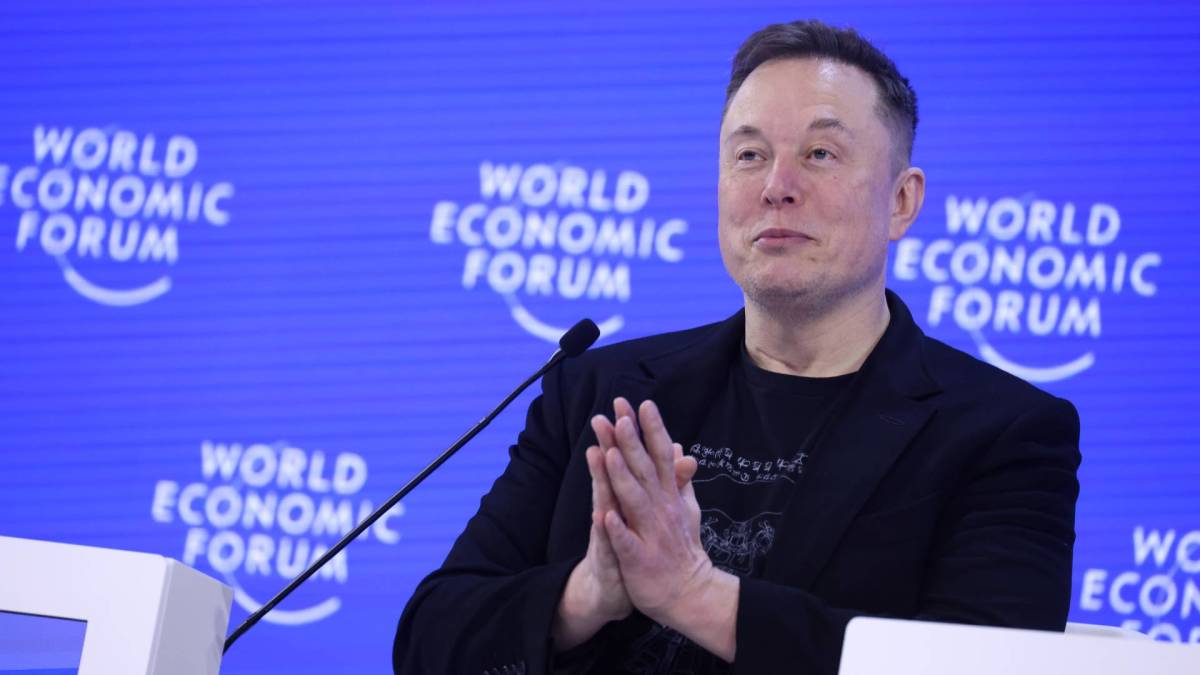
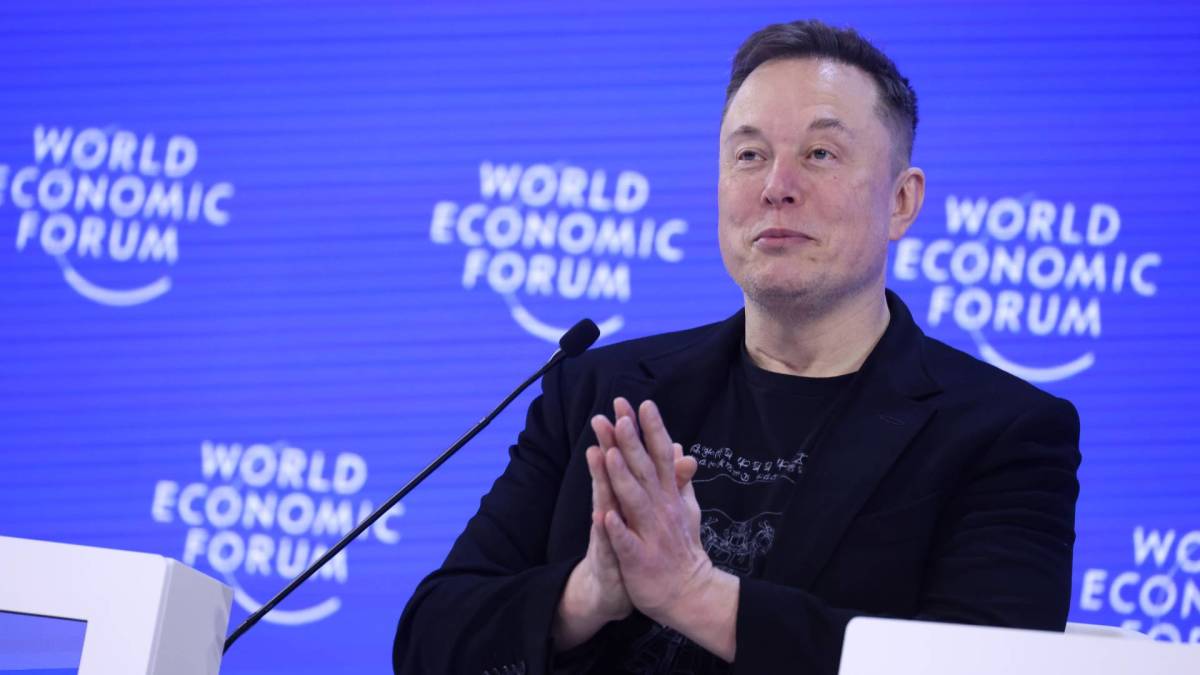
On a Saturday night in Austin, standing inside a defunct power plant, Elon Musk delivered a message that cut straight to the heart of the AI chip shortage: His companies cannot get the chips they need, so they are going to build their own.
Musk shared on March 21 that Tesla, SpaceX, and xAI are launching a joint venture called Terafab, a semiconductor fabrication facility to be built adjacent to Tesla’s Giga Texas campus in Austin. The project is estimated to cost between $20 billion and $25 billion, according to Electrek.
“We either build the Terafab, or we don’t have the chips, and we need the chips, so we build the Terafab,” Musk said during a livestream broadcast on X (the former Twitter).
What Terafab is designed to do
The facility aims to produce chips consuming 1 terawatt of compute power per year, making it by far the largest semiconductor manufacturing ambition ever planned.
Musk outlined two types of chips the facility would produce.
One is optimized for edge inference and designed to power Tesla’s Full Self-Driving software and its Optimus humanoid robots. The other is hardened for the space environment and intended for SpaceX’s planned network of orbital data centers, according to Data Center Dynamics.
More Tesla:
- Elon Musk’s Terafab bet: what it means for Tesla investors
- Bank of America revamps Tesla stock price
- UBS has a message for Tesla stock investors
In terms of compute output, Musk projected 100 to 200 gigawatts per year on the terrestrial side, with the remainder of the 1 terawatt target going to space-based AI compute aboard solar-powered satellites.
The facility targets 2-nanometer process technology, currently the leading edge of the semiconductor industry, and is designed to consolidate chip design, lithography, fabrication, memory production, advanced packaging, and testing under a single roof.
Initial output is set at 100,000 wafer starts per month. The full-scale target is 1 million wafer starts per month, which Electrek noted would represent roughly 70% of TSMC’s entire current global output, from a facility operated by companies that have never fabricated a chip.
Why Musk says he has no choice but to build semiconductor fabrication facility
Musk’s argument centers on scale. He said all the current fabrication facilities on Earth produce only about 2% of what Tesla and SpaceX will eventually need for autonomous vehicles, humanoid robots, AI training clusters, and space-based compute systems.
He described the global chip industry as unable to expand quickly enough to meet demand, while expressing gratitude to existing partners, including TSMC, Samsung, and Micron, saying he would like them to expand as quickly as they can, according to Data Center Dynamics.
Tesla’s AI5 chip is among the first products the pilot facility is designed to produce, with small-batch production anticipated in 2026 and volume production in 2027.
Key Terafab specifications unveiled:
- Location: Adjacent to Giga Texas, eastern Travis County, Austin
- Estimated cost: $20 billion to $25 billion, according to Electrek
- Target output: 100 to 200 gigawatts per year of terrestrial chips; up to 1 terawatt including space chips
- Process node: 2-nanometer technology
- Initial wafer starts: 100,000 per month, scaling to 1 million at full capacity
- First product: Tesla’s AI5 chip, small-batch 2026, volume production 2027
Bocsi/Getty Images
The Terafabquestions Musk has not answered
The Terafab plan drew significant skepticism from industry analysts. Musk has no background in semiconductor manufacturing, a field that is notoriously complex and capital-intensive. No timeline was given for when the full-scale facility would be operational.
Analysts at Bernstein estimated that producing 1 terawatt of AI silicon per year would require processing the equivalent of more than 22 million GPU wafers annually, implying a total capital requirement of $4 trillion to $5 trillion, according to Tom’s Hardware.
A single, modern leading-edge 2nm fab costs roughly $25 billion to $35 billion to build, and takes approximately 38 months to construct in the U.S., according to Electrek. For context, TSMC has spent decades and hundreds of billions of dollars building its 2nm capability.
Tesla’s CFO acknowledged the full Terafab cost is not yet incorporated into Tesla’s 2026 capital expenditure plan, which already exceeds $20 billion, Electrek said.
The announcement also comes as Tesla’s auto business faces pressure. The company’s sales declined for the second consecutive year in 2025, with declines in both Europe and China, Electrek added.
Musk has a history of ambitious announcements with timelines that prove overly ambitious. Whether Terafab follows that pattern or represents a genuine turning point in how AI companies think about chip supply is something the industry will be watching closely for years to come.
Related: Elon Musk issues apology for not building xAI right
#Elon #Musk #stunning #claim #Tesla039s #chip #future