
If you feel like your grocery bill never really came back down after the last inflation spike, you’re not imagining it. The world’s main food‑price yardstick is quietly edging higher again.
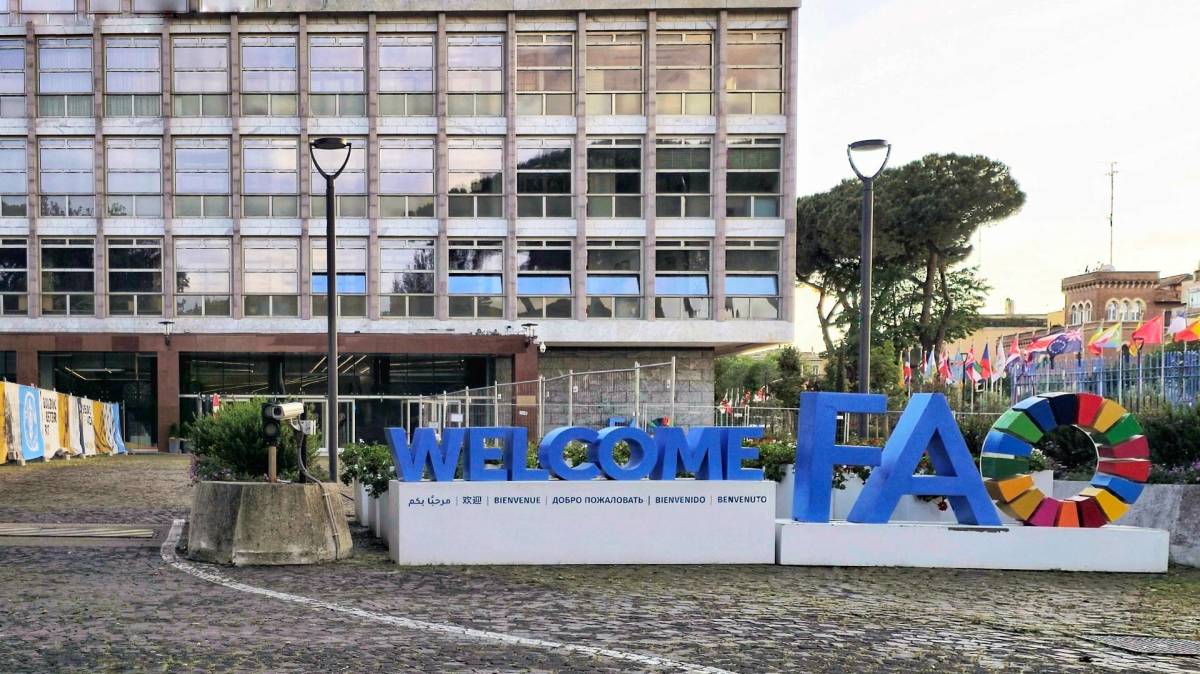
World food prices rose 2.4% in March from February to 128.5 points on the United Nations’ Food and Agriculture Organization (FAO) Food Price Index. That was driven largely by higher energy costs linked to the escalating conflict in the Middle East, according to FAO’s March release, as reported by Reuters.
The index is still almost 20% below its 2022 peak, but the direction has changed again, and you feel that in the quiet increases on cooking oil, sugar, and meat that make your weekly shop feel like a stress test.
When the numbers start to move again
On paper, FAO’s March move looks modest: a 2.4% jump in its global basket and the second straight monthly gain. In real life, I see it as another turn in a long cycle where every global crisis leaves a permanent mark on food prices.
FAO’s own breakdown shows that all the major sub‑indices moved higher in March. Cereals, meat, dairy, vegetable oils, and sugar all rose together, according to the agency’s detailed index report.
Related: It’s not just rising oil prices you’ll have to worry about if Iran conflict continues
The vegetable oil index jumped as palm oil prices hit their highest since mid‑2022, in large part because crude oil prices spiked and pushed up the cost of biofuels and edible oils. The sugar index climbed more than 7% in the same month as traders braced for higher ethanol demand and possible trade disruptions.
World food prices “climbed in March, due largely to higher energy costs linked to the escalating conflict in the Middle East.” That was how FAO framed the move in a statement cited by Reuters. When you trace that headline back to your kitchen, what it really says is this: The Iran war is now showing up on your grocery receipt.
How a distant war reaches your kitchen
Whenever I write about inflation, I try to picture what’s behind each price tag: fuel, labor, fertilizer, shipping, and risk. The Iran war is hitting almost every piece of that chain at once.
Oil prices surged more than 25% in early March before easing back as diplomacy picked up. That’s how commodity markets reacted when missiles hit energy infrastructure and Gulf states shut some facilities, according to a Reuters market recap.
Higher fuel costs translate directly into what you pay at the pump and indirectly into the cost of planting, harvesting, processing, cooling, and shipping your food.
Fertilizer is the second shock in this chain. Iran accounts for about 3.5% of global urea production and roughly 10% of seaborne urea trade. That’s what a June 2025 analysis by Famine Early Warning Systems Network (FEWS NET) found when it studied an earlier flare‑up in the Iran‑Israel conflict. Fertilizer prices jumped by double digits on fears of supply disruption, FEWS NET reported in that same study.
MoreEconomy:
- Goldman Sachs resets oil-price bets as war rages on
- How Fed meeting impacts mortgage rates, housing market
- IMF drops blunt warning on US economy
FAO chief economist Máximo Torero warned that if high energy and fertilizer prices persist beyond roughly 40 days, many farmers will reduce inputs, plant less, or switch to less input‑intensive crops. This would hurt future yields and influence food supply and prices for the rest of this year and next, according to an interview summarized by AgroLatam.
Freight is the third link. The Iran war “had an immediate effect on global trade patterns as both air and ocean routes closed,” pushing freight indexes higher as ships rerouted and insurers raised premiums, SeafoodSource concluded.
Rising shipping costs and longer routes are key reasons why commodity prices across food and raw materials are now “likely to spike” if the conflict continues, argued a separate 2025 analysis from Glottis Limited.
The supply-chain chokepoint that never appears on food product labels
If you’ve never thought about the Strait of Hormuz while buying rice or cooking oil, you’re not alone. I didn’t either, until I started following how this crisis moved from missile launches to supermarket aisles.
The escalating crisis in the Persian Gulf has triggered “one of the most rapid and severe disruptions to global commodity flows in recent times.” That’s how FAO’s Torero described it in a briefing at UN headquarters, according to UN News.
Tanker traffic through Hormuz has dropped by more than 90% since the conflict intensified, even though roughly 35% of global crude oil flows normally pass through that corridor. That figure comes from FAO’s warning summarized by JURIST.
Gulf countries such as Bahrain, Saudi Arabia, Oman, and Qatar are important exporters of nitrogen‑based fertilizers such as urea, JURIST added.
Those details matter because they explain why FAO is now calling for “emergency balance of payment support” for import‑dependent countries and pushing for alternative trade routes and diversified sources of fuel and fertilizer if the crisis drags on.
Getty Images
What the Iran war really means for your grocery bill
FAO’s March numbers and warnings point to a handful of grocery-price pressure points that matter most in that moment.
- Vegetable oils are getting more expensive again. Palm oil prices are at their highest since mid‑2022, and international palm oil is now trading at a premium to soy oil, mainly because crude oil strength is spilling over into the biofuel and edible oil markets.
- Sugar is catching a fresh bid. The sugar index jumped more than 7% in March, with traders expecting more Brazilian cane to be turned into ethanol and worrying about disruptions to trade routes around the conflict zone.
- Protein remains stubbornly pricey. The meat price index is up about 8% compared with a year earlier, while dairy prices edged higher month‑on‑month, even though they remain below 2025 levels.
Those are the categories many families lean on when they’re trying to stretch a paycheck. The cheapest oils, the bulk sugar, the budget proteins: They’re all under renewed pressure from a war thousands of miles away. That’s the uncomfortable connection FAO’s March release is forcing us to see.
Small moves that matter for your food budget and your investment portfolio
When I pull all of this together, I see two stories running at once: risk and resilience. You need to understand both to make smart decisions for your own wallet.
On the risk side
The Iran war has already erased some of the relief we saw in food prices and could erase more if energy and fertilizer markets stay tight. Every major food category is now exposed to higher input and transport costs, even though global cereal production is still forecast at a record 3.036 billion metric tons this year, as seen in AgroLatam’s coverage.
On the resilience side
The world is not back at the edge we saw in 2022. Ample cereal supplies and a more diversified grain trade offer some cushion, according to FAO’s latest global food outlook.
Torero has emphasized that if the Gulf crisis is resolved quickly, markets could stabilize within roughly three months and the shock to food prices could be contained, based on his comments reported by UN News.
For you and me, that mix translates into a few practical, human‑level moves.
- Stay flexible with brands and ingredients, especially for oils, sugar, and processed foods that are most exposed to energy and freight costs. That flexibility can soften the hit when one particular item spikes.
- When staples you actually use drop in price, treat that as a chance to build a small buffer instead of assuming prices will drift lower forever. The last few years suggest “normal” might stay higher than we remember.
- If you invest, keep abreast of geopolitical developments. Remember that food, fertilizer, and shipping companies can react to Hormuz headlines as sharply as, and sometimes more sharply than, oil majors. The sensitivity of urea and freight markets during past flare‑ups is a clear example of that, as shown by FEWS NET.
The feeling behind FAO’s warning
What stays with me from FAO’s warning isn’t just the index number. It’s the idea that a war you may never see up close can dictate what you put back on the shelf, what you tell your kids when they ask why their favorite snack isn’t in the cart, and how often you feel that quiet jolt at the checkout.
The Persian Gulf crisis is already “affecting agricultural production and food security worldwide.” That’s how Torero summed up the situation in his comments at the UN. FAO is urging emergency support for vulnerable import‑dependent countries and longer‑term efforts to diversify where the world gets its fuel and fertilizer.
For me, the real value of watching these warnings closely is that you stop feeling like a helpless passenger.
When you understand why prices are moving, you can decide when to stock up, when to switch brands, and how seriously to take the next headline about Hormuz or fertilizer.
You’re not just managing a budget. You’re quietly steering through a fragile global supply chain that keeps asking you to absorb one more shock.
Related: The market finally sees energy and agriculture risk in Iran — why are they ignoring a possible “AI black swan?”
#FAO #troubling #warning #food #prices #Iran #war