
With many retailers already struggling with a tough economy and high costs, Target is fighting a unique battle to win back customer trust.
According to TheStreet’s Patricia Battle, 2025 was a defining year for the company, as it “ignited a firestorm when it boldly decided to cut back its diversity, equity, and inclusion (DEI) policies.” This followed years of instability, including 2023 boycotts over its Pride collections, which led to continued financial pressure and shopper backlash through 2025.
Target’s net sales for full 2025 declined 1.7% to $104.8 billion, reflecting a 2.6% decrease in comparable sales, according to its 8-K filing with the Securities and Exchange Commission (SEC). Target’s foot traffic also dropped year over year in every month (except October) in the second half of 2025, and Q4 visits dropped 2.0%, according to data from Placer.ai.
Now, Target is undergoing a transformation under the leadership of a new CEO, who is trying to repair the retailer’s reputation and improve the overall customer experience. I recently reported on its plan to renovate and clean up stores, lower prices on thousands of everyday items, increase employee benefits, focus on curated categories, and speed up delivery.
More recently, Target has made several moves to win back customers.
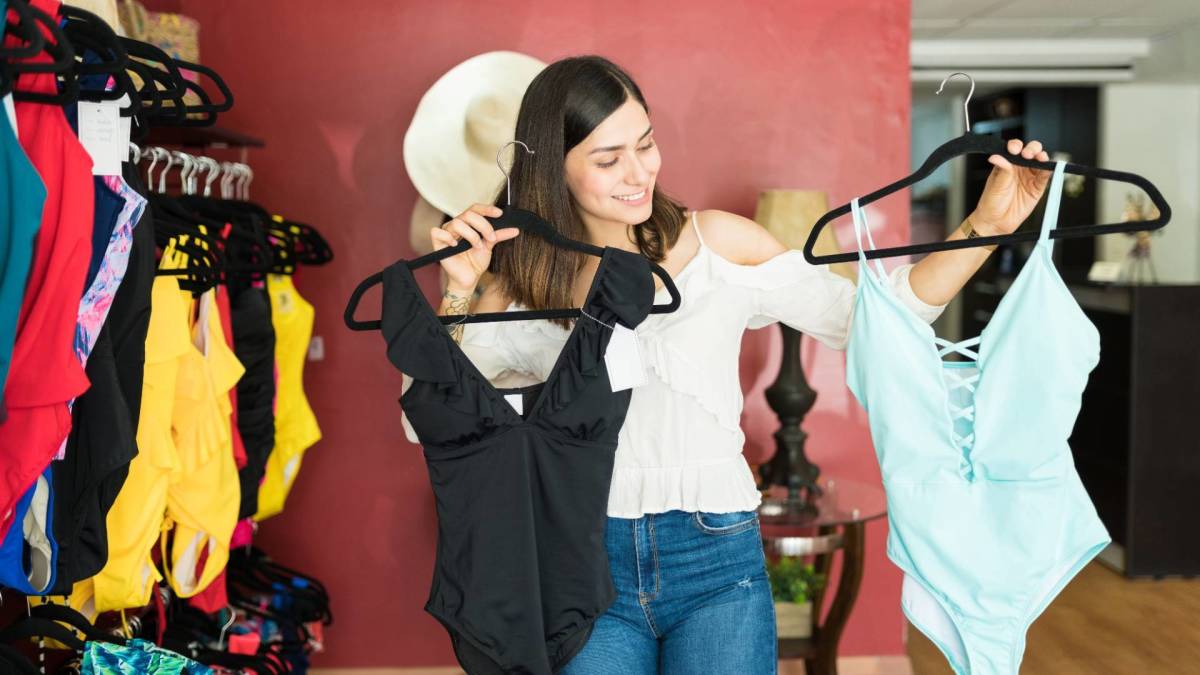
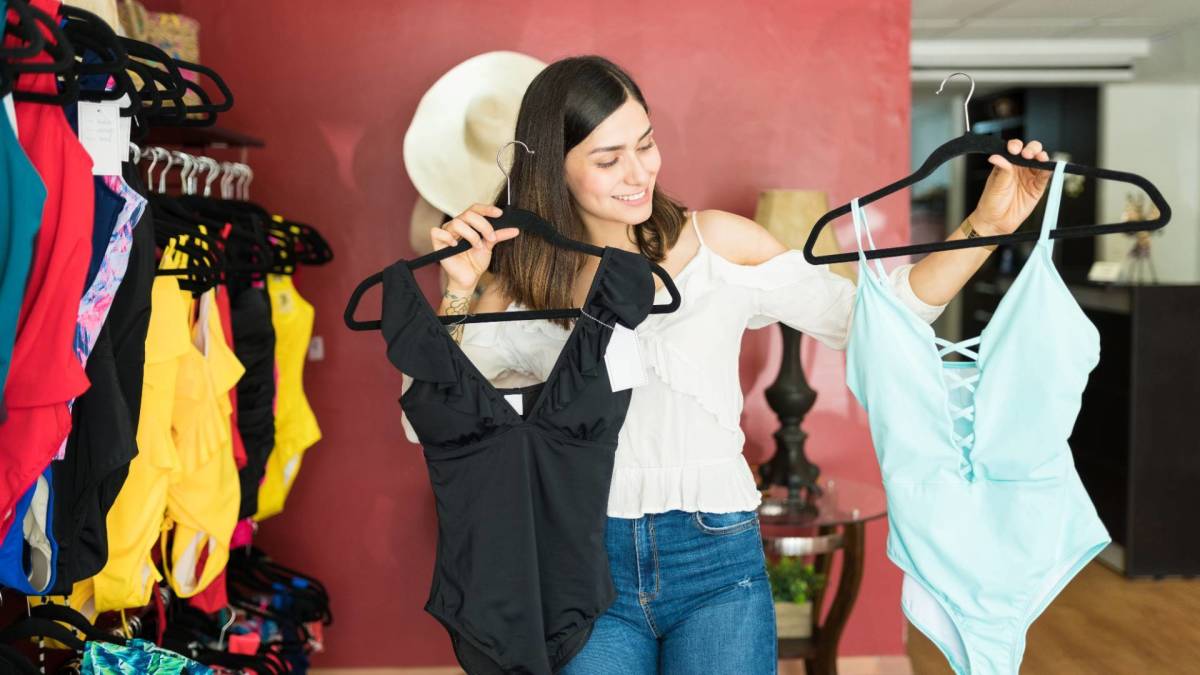
Target quietly rolls out limited-edition Andie swimwear collection
Target is launching a special, limited-edition swimwear line called the Andie Collection for Target. Andie, a popular direct-to-consumer swimwear brand known for its fit-first swimsuits designed for all body types, confirmed the collection for Target on April 6.
Andie’s swimsuits are known for modern silhouettes and high-quality materials, and past sell-out collaborations included partnerships with actors Demi Moore and Mindy Kaling.
“This new partnership marks a significant milestone for the brand, expanding its reach through one of the country’s leading retailers,” the swimwear company stated in the press release.
Andie’s swimwear collection at Target highlights:
- The collection: The limited collection includes 49 different items across swim and ready-to-wear, featuring both one-piece swimsuits and bikinis, as well as cover-ups.
- Exclusivity: These styles are exclusive to Target and won’t be sold on Andie’s own website.
- Inclusivity: The line is designed to be inclusive, offering sizes from XS to 3X, and it even includes long-torso fits for women who need extra length.
- Availability: Starting the week of April 6, the collection is available across all 2,000 Target stores, its website, and its app.
- Pricing: The collection offers accessible price points, with bikini separates starting at $32 (or $64 for a full set), one-piece swimsuits at $50, and cover-up dresses priced at $42.
“Target as the destination for swimwear”
Andie highlighted that the crown jewel of the collection is the Copacabana One Piece, a design inspired by Andie’s best-selling Amalfi, but updated with back detailing and convertible straps for better practicality and versatility.
“At Andie, our mission has always been to create swimwear that women love to wear, combining great design, high-quality materials, and a fit that feels as good as it looks. This collaboration with Target allows us to bring that approach to more women than ever, delivering thoughtfully designed swim at an accessible price point,” stated Andie CEO Melanie Travis.
Target is excited to partner with Andie to bring its customers a valuable collection, added Senior Vice President of Apparel and Accessories Gena Fox.
“This collaboration reaffirms Target as the destination for swimwear — offering a mix of owned brands, national brands, and new or emerging brands that are quickly becoming cult-favorites like Andie swimwear,” Fox said in the press release.
antoniodiaz/Shutterstock.com
Target brings back Car Seat Trade-In program for 10th year
For the 10th consecutive year, Target is launching a car seat trade-in program. The event, which runs from April 19 through May 2, allows customers to bring old, damaged, or expired car seats to any Target store and drop them into designated bins.
In exchange, shoppers receive a 20% discount coupon through the Target Circle app that can be used twice toward new baby gear or a new car seat.
Since the program began in 2016, Target has recycled over 3.5 million car seats and made more than 690,000+ select Brightroom & Room Essentials products out of materials sourced from donated car seats.
Moreover, the retailer says this program has helped keep more than 58 million pounds of materials out of landfills.
Key Target Car Seat Trade-In program details:
- Dates: The trade-in runs from April 19, and the 20% coupon is valid through April 26.
- Eligible items: Customers can trade in infant car seats, convertible seats, car seat bases, and harness or booster seats.
- Rewards: The discount can be applied to new car seats, strollers, high chairs, swings, and other select baby gear.
- Recycling process: Target partners with Waste Management to turn the old materials into new products including plastic buckets and construction supplies.
“Families trust Target to be there for them during life’s biggest milestones. With Car Seat Trade-In, we’re making it easier for busy parents to get high-quality, thoughtfully designed products for their little ones while easily recycling what they no longer need and saving on what comes next,” stated Senior Vice President of Merchandising, Essentials and Beauty Amanda Nusz.
More retail:
- Walmart closes stores in key growing market, customers concerned
- Target rolls out two major changes to prove its value to customers
- Walmart quietly changes how it prices items
Analysts weigh in on Target’s efforts to regain shoppers’ trust
Once customers’ trust is broken, it’s hard to bring it back. Industry data suggest that shoppers now value service and transparency even more than low prices. In fact, 71% of consumers say they are less likely to shop with a retailer again after a poor experience, up from 67% in 2024, according to 2025 data from the National Retail Federation.
Target currently ranks 10th among supermarkets, based on the most recent American Customer Satisfaction Index (ACSI) Retail and Consumer Shipping Study. This places it below Trader Joe’s, Publix, Sam’s Club, and others.
Many industry experts and analysts have criticized some of Target’s recent moves, arguing that the retailer is not focusing on key issues in order to rebuild consumer trust. For example, TheStreet Co-Editor-in-Chief Daniel Kline recently pointed out that by tightening its dress codes, Target is actually repeating a “big mistake” made by Starbucks.
“Target has issues, but the dress code is probably not one of them. I’d be concerned about associate turnover, which is already very high in retail,” Cathy Hotka, former leader of the National Retail Federation, posted on RetailWire.
Retail analyst Karen Short wrote back in November that Target should stop opening stores and reduce CapEx for calendar year 2026-2027.
“Turning around the company will require a cultural re-invention because management is too arrogant and oblivious to the fact that the company: a) is not ‘Tarjey’ anymore, b) has zero presence in food and beverage, and c) has lost the draw in discretionary,” she says.
Short added that the focus should be on “simplifying stores vs. the current strategy of continuing to complicate store level execution.”
TheStreet retail reporter Maurie Backman also recently highlighted that Target’s plan to regain customer loyalty may have a serious flaw. Backman believes that before launching deals and advancing merchandising authority, Target should focus on fixing the actual store experience.
Meanwhile, Target’s new CEO Michael Fiddelke announced a strategic shift from an “everything store” to a store focused on “busy families.”
“Target is not an everything store. That’s not what guests want from us,” Fiddelke said at the company’s annual financial meeting in Minneapolis, as reported by Business Insider.
Analysts project Target’s total revenue to rise 2% to $106.75 billion in fiscal 2026, which will still be lower than the $107.41 billion it saw in fiscal 2023.
“That slowdown was caused by inflationary headwinds for consumer spending, intense competition from Walmart and Amazon, sluggish sales of larger products (including appliances, TVs, and outdoor furniture), supply chain disruptions, and a rising ‘shrink rate’ from shoplifters. It’s also faced politically driven boycotts over its elimination of diversity, equity, and inclusivity (DEI) initiatives, its sale of LGBTQ-themed products, and its response to the recent ICE raids,” reported The Motley Fool.
Related: Walmart’s Sam’s Club raising membership prices
#Target #quietly #launches #cultfavorite #brand #lure #customers