
African Parks, a conservation nonprofit backed by some of the world’s richest people, is seeking to localise staffing and boost the number of tourists from the countries in which it operates.
The organisation, which has an annual budget of $166 million and oversees a combined land area bigger than Cambodia, is opening an academy in Rwanda to train African conservation professionals, with the first students expected to enroll next year. At the same time it’s working on boosting the share of African tourists from the current 59% of the 188 000 that visited last year.
“You can have all the money in the world, all the intent, but if you haven’t got the people to be able to make it happen, then it’s not going to happen,” Peter Fearnhead, African Parks’ chief executive officer said in an interview in Bloomberg’s Johannesburg office.
The academy is part of a broader approach by conservation groups to ensure that local communities benefit from wildlife-protection programs. That means allowing them to share in profits, providing jobs and facilitating access to the parks.
Walton, Buffett
Approaches that keep protected areas and local communities apart and instead cater for wealthy foreign tourists have bred resentment, leading to poaching and resistance to the expansion of reserves.
ADVERTISEMENT
CONTINUE READING BELOW
What is really important “is the education behind nature and nature conservation and why it’s necessary,” Fearnhead said.
The organization draws its donor funding, which makes up the bulk of its budget, from a range of sources including the foundations of some of the world’s richest people including Rob Walton, Howard G. Buffett and Hansjoerg Wyss.
The African Conservation Academy, which the organisation is starting in partnership with the Rwanda Development Board, expects its graduates to work across the continent.
Encouraging local tourism is also a key focus.
ADVERTISEMENT:
CONTINUE READING BELOW
“If a local citizen visits their national park, it builds in them an understanding of it and an appreciation for it,” bolstering support for the project, Fearnhead said.
Local tourism helps build public support for biodiversity protection, while international tourism generates more income per visitor.
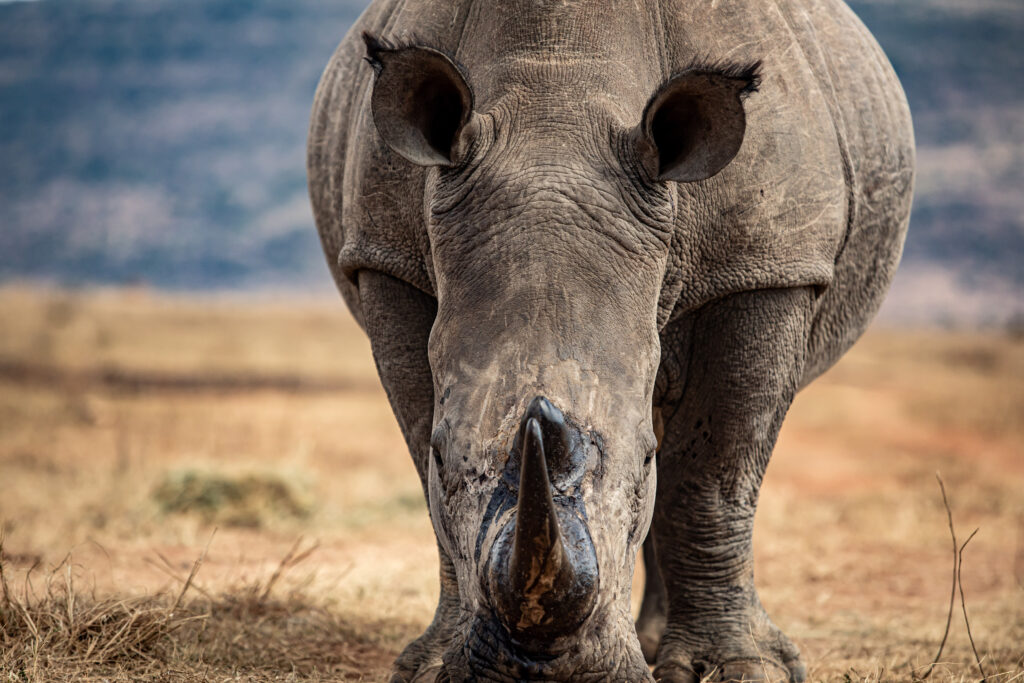
African Parks runs 24 parks across the continent – from Chad to Angola – and aims to manage 30 by the end of the decade. In South Africa in 2023, it took over a bankrupt rhino breeding project where 2 000 southern white rhinos, or 15% of the global population, were kept on a ranch 167 km (104 miles) southwest of Johannesburg.
To date, 745 rhinos have been moved to parks within South Africa, Rwanda and the Democratic Republic of Congo. Future transfers are planned for Namibia, Kenya and Eswatini in a bid to restore populations of the endangered animal whose numbers have been decimated by poaching.
© 2026 Bloomberg
#Billionairebacked #African #parks #local #preserve #gains