
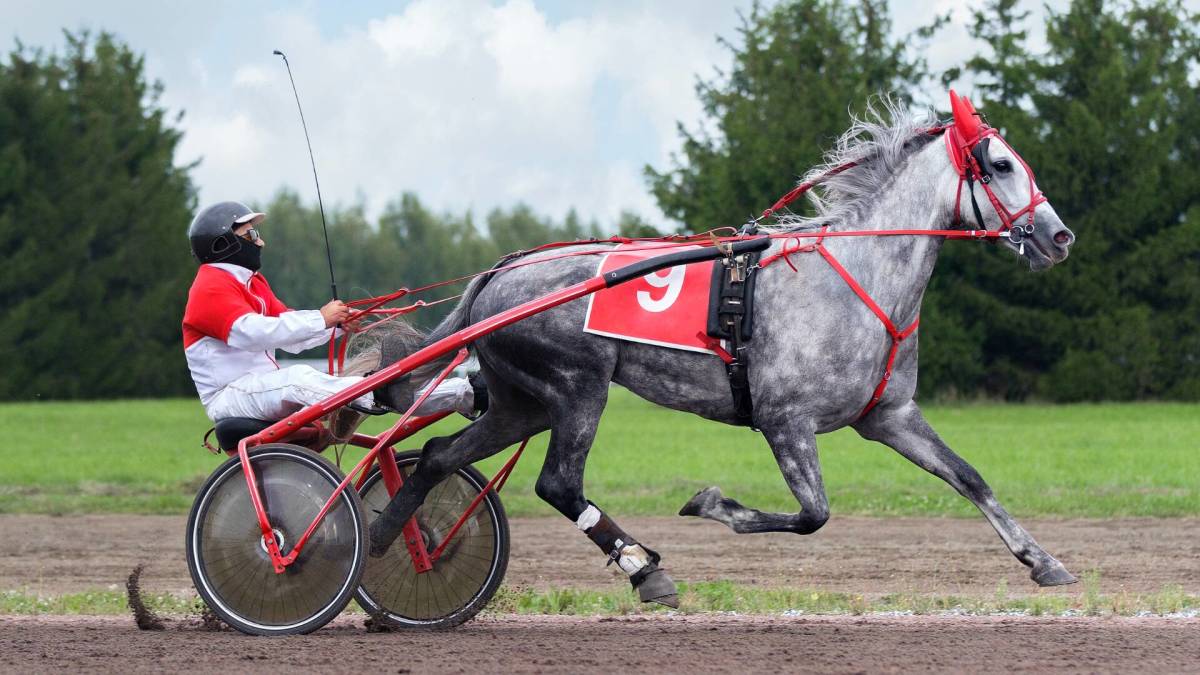
The U.S. horse racing industry has faced at least a dozen racetrack closings since Covid-19 devastated the nation in 2020, and no fewer than 49 closures since 2000, according to Horseracing Wrongs.org.
Most of these racetracks blamed the expansion of casino gambling and sportsbook betting for their shrinking market and demise.
The racetracks that closed since 2020 had operated for decades, with the oldest, Freehold Raceway in New Jersey, shutting down in 2024 after 171 years.
Longstanding racetracks closed
Other iconic racetracks that closed included Union Fair in Maine, which shut down in 2022 after 120 years, Arlington Park in Illinois, which closed in 2021 after 94 years, and Golden Gate Fields in California, which closed in 2024 after 83 years in business.
All horse racing was cancelled in Northern California at the State Fair in Sacramento, and the Sonoma and Alameda county fairs in 2025, because of the closing of Golden Gate Fields and a lack of horses.
The California Horse Racing Board doubled down on cancellations in 2026 by denying California’s Humboldt and Tehama counties’ requests to include thoroughbred horse racing at their annual fairs in 2026, KRCR-TV reported.
“As much as I’d like to see them do well, they have no chance of success,” Gregory Ferraro, chairman of the California Horse Racing Board, said at a Feb. 26 meeting. “There’s just no market for them up there, so you’re going to end up destroying all of racing in California, to bet on a no-chance situation in the North.”
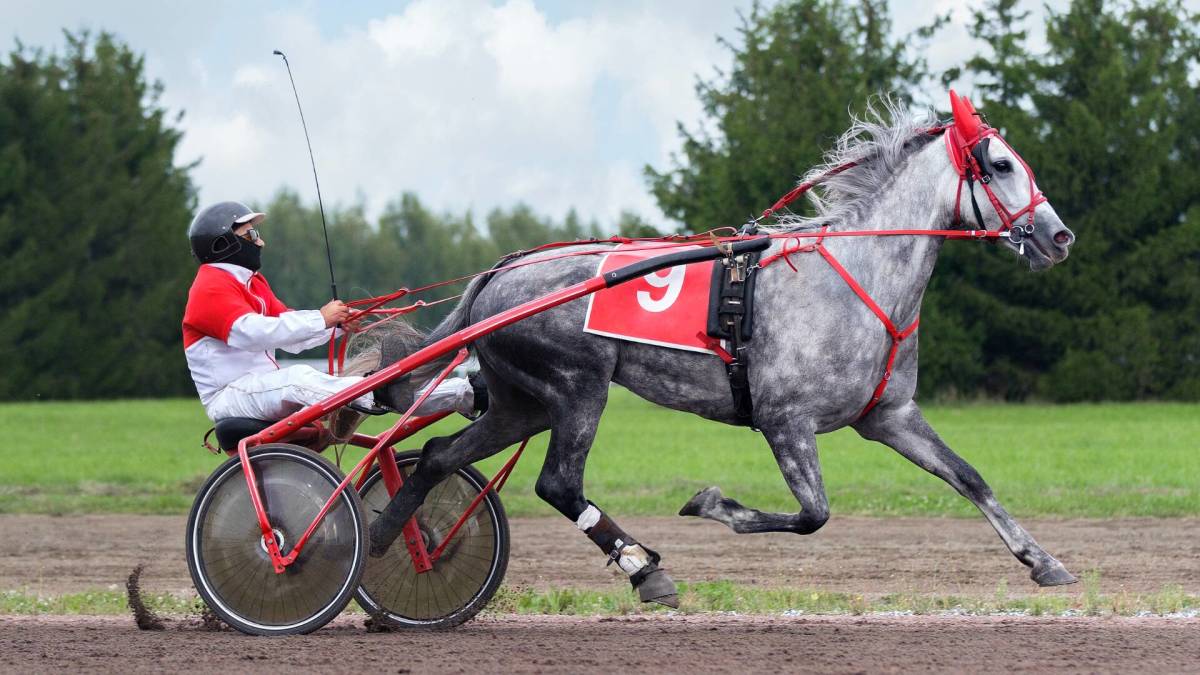
Another classic racetrack, which has been family-owned and operated since 1909, is struggling to remain in business and hopes its latest plan will make that happen.
S
Hawthorne Race Course files bankruptcy
Iconic Chicago-area horse racetrack, sportsbook, and off-track wagering facility Hawthorne Race Course Inc. filed for Chapter 11 bankruptcy protection on Feb. 27, seeking a Section 363 sale of its assets as a going concern.
The debtor didn’t rule out seeking a reorganization of its business and refinancing of its debt obligations.
“A reorganization is a possible avenue to restart operations if the debtors are able to come to an agreement with a party to recapitalize the debtors as part of a plan process for resolving the debtors’ other liabilities,” Hawthorne CEO Timothy Carey said in a declaration.
If the racetrack operations permanently shut down, it could affect 250 employees at its facilities.
Casino gaming, sports betting threats
The Stickney, Ill.-based debtor faced substantial financial hardship in recent years from challenges affecting the horse racing industry in Illinois, initially from the expansion of casino gaming, and later compounded by a competitive sports betting market, according to Carey’s declaration.
Hawthorne Race Course is the only U.S. racetrack that features both thoroughbred and harness racing.
Hawthorne faced rising costs and increased regulatory fees related to its businesses, and its affiliate, Suburban Downs Inc., faced a recent suspension of its organizational license, termination of its harness racing meet, and termination of its internet and mobile sports wagering by Hawthorne’s sports wagering partner.
The debtor also faced the discontinuation of certain simulcast wagering arrangements by other horse racing tracks throughout the U.S., resulting in litigation and monetary judgments against the debtor.
Hawthorne Race Course, located about 10 miles from Chicago, filed its petition in the U.S. Bankruptcy Court for the Northern District of Illinois, listing $50 million to $100 million in assets and $100 million to $500 million in liabilities.
More bankruptcies:
- 73-year-old family diner franchisee files Chapter 11 bankruptcy
- More troubled regional airlines file for Chapter 11 bankruptcy
- Major department store brand liquidates in Chapter 11 bankruptcy
The debtor’s largest unsecured creditors include Fanatics LLC, owed over $8.75 million; Monarch Content Management, owed over $7.4 million; Aria Group Architects Inc., owed over $5.6 million; and W.E. O’Neil Construction Co., owed over $5 million.
The debtor also owes Signature Bank over $51 million in debt obligations, including principal, interest, and exit fees on its senior secured debt facilities that are the central source of liquidity for the company’s racing operations and its Racino development activities.
The company received approvals to develop a Racino, or a casino-style gambling facility, at the racetrack in 2019, but has been slow to develop it because of financing issues, according to the declaration.
Signature Bank provided the debtor with a land-only appraisal of its assets, valued at $95 million, in August 2025. The debtor believes the value of the property, with all improvements, is much higher, according to the declaration.
Hawthorne seeks $16 million DIP loan
Hawthorne Race Course asserts that multiple parties have expressed interest in recapitalizing the company under a bankruptcy process. The debtor has also agreed to seek a $16 million priming debtor-in-possession financing loan from JDI Loans LLC on a 120-day term.
The decline in racetracks has contributed to a decrease in wagering, which dropped by 2.1% in 2025, while U.S. race days decreased by 5.2% to 3,590, according to Equibase, as reported by BloodHorse.
The number of races in 2025 declined 4.7% to 29,401, which was the first time the number fell below 30,000 since the mid-1950s.
Hawthorne’s Top Unsecured Creditors
- Fanatics LLC, owed over $8.75 million
- Monarch Content Management, owed over $7.4 million
- Aria Group Architects Inc., owed over $5.6 million
- W.E. O’Neil Construction Co., owed over $5 million
- Roberts Communications Network LLC, owed over $1.5 million
- Woodbine Thoroughbred, owed over $1.2 million
- CDI Inc., owed over 974,000
- Horseracing Integrity, owed over $971,000
- Laurel, owed over $875,000
- Caesars, owed over $750,000
- Source: Petition
Related: Favorite U.S. wine brand closes down, no bankruptcy
#Major #gambling #destination #files #Chapter #bankruptcy