
In the wake of a major U.S. and Israeli military campaign against Iran that resulted in the death of Supreme Leader Ayatollah Ali Khamenei, global oil markets experienced an immediate jolt. Brent crude oil prices surged 8% over the weekend to approximately $78 a barrel, reflecting acute anxiety over Middle Eastern energy supplies. However, according to Goldman Sachs’ Head of Oil Research, Daan Struyven, this specific price point reveals exactly what traders are betting on: a disruption lasting about four weeks.
Speaking on the Goldman Sachs Exchanges podcast on March 2, Struyven broke down the math behind the market’s reaction. Without sustained supply disruptions, Goldman Sachs estimates the fair value for Brent crude oil to be around $65 per barrel. “With the market price at $78, the market is essentially pricing an $13 per barrel risk premium,” Struyven explained. According to the firm’s models, this $13 premium perfectly aligns with the expected price impact of a 100% full closure of the Strait of Hormuz lasting for roughly one month.
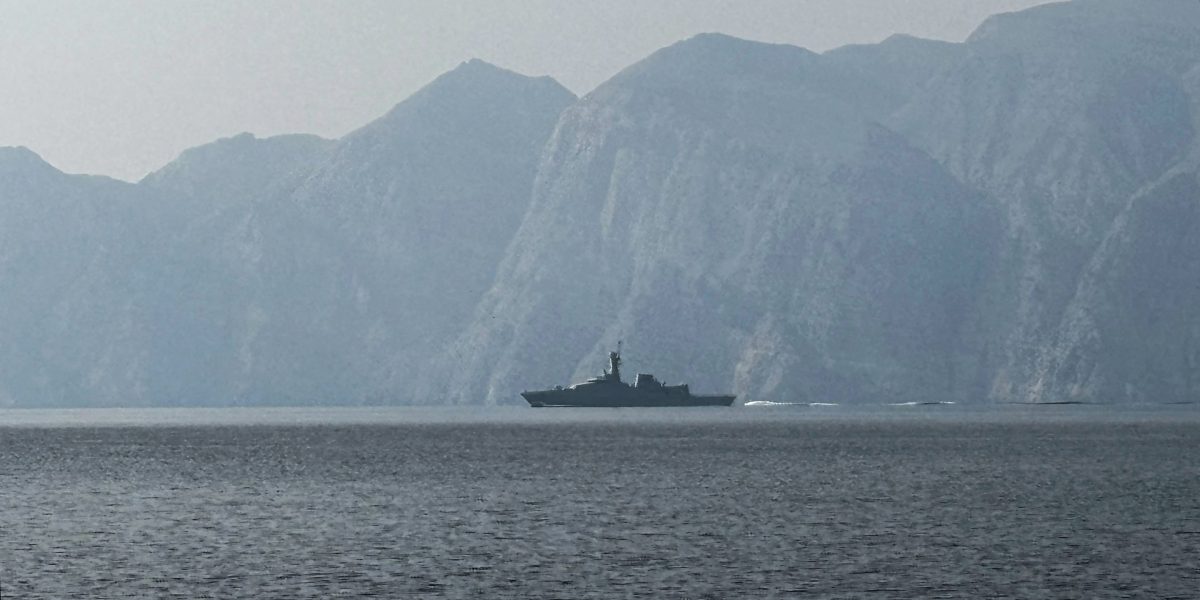
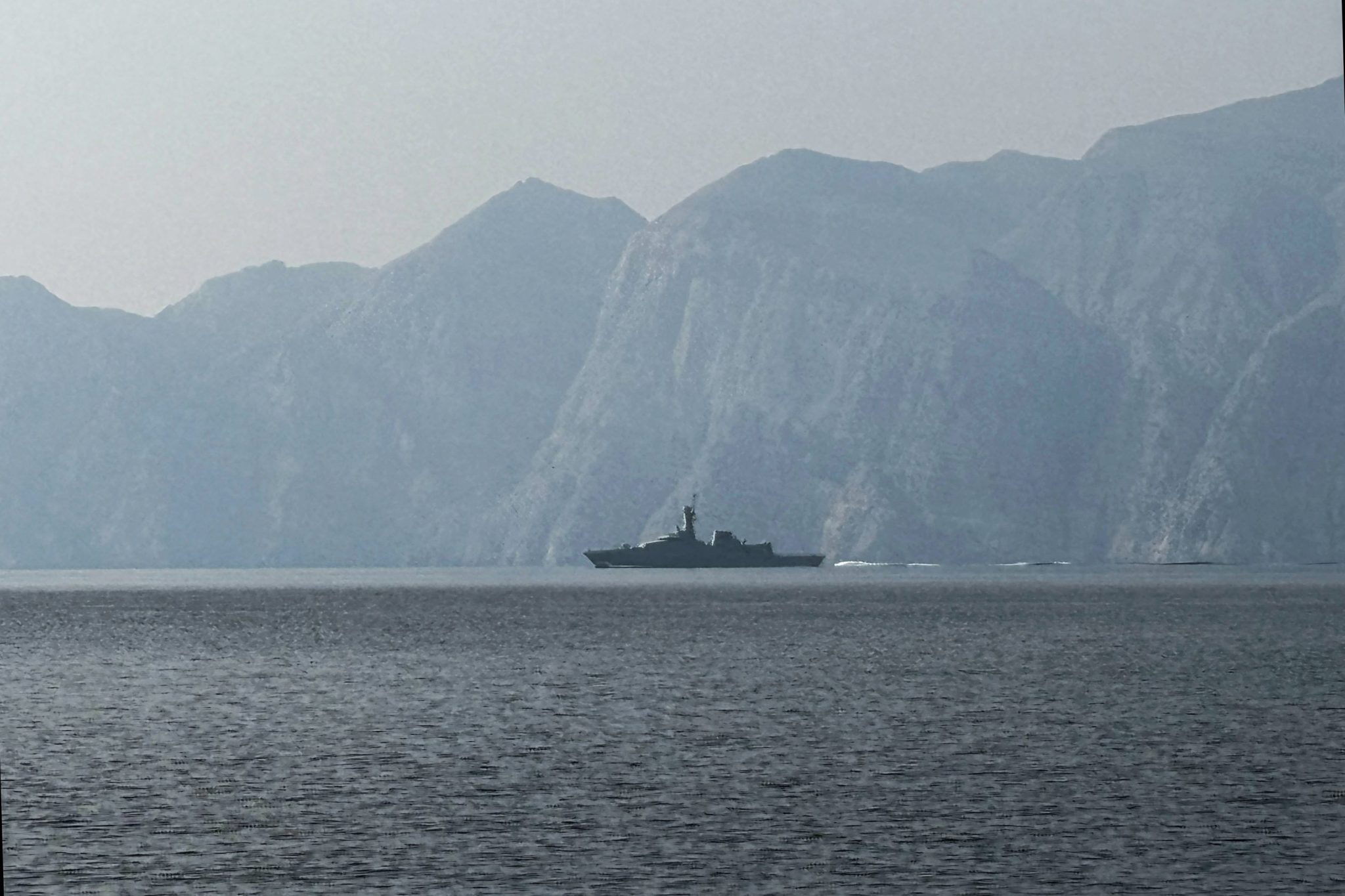
Currently, the Strait of Hormuz—a vital chokepoint that normally handles about one-fifth of the world’s global oil supply—is not completely shut down. Instead, Struyven explained that the sharp drop in export flows is being driven by fear. Shippers and oil producers have entered a “wait-and-see mode” following reports of damage to three ships and skyrocketing insurance premiums.
The four-week timeline priced in by the market represents a critical threshold for the global economy. Struyven noted that the impact on oil prices is a “convex function” of the disruption’s length. If the conflict is brief—lasting only a few days or a week—the impact on prices will be disproportionately smaller. In a short-term scenario, crude oil can simply be stored on land in Middle Eastern producing countries, delaying deliveries but leaving the cumulative global supply unaffected—a workaround if Iran’s threats of shutting down the Strait stretch come to fruition.
However, if the war and the effective closure of the Strait stretch beyond the market’s four-week expectation, the economic consequences could become dire. If regional storage facilities run out of space and production is forced to shut down, the market will only be able to rebalance through forced “demand destruction”. “To generate substantial demand destruction, prices may have to rise into triple digit territory,” Struyven warned, adding that the length of the disruption is the single most important variable in the market right now. Every sustained 10% increase in crude oil prices raises headline inflation by about 0.3% and reduces disposable income by the same margin.
Struyven’s calculations come as economists are surveying the damage that President Donald Trump’s Operation Epic Fury is doing to the U.S. economy. Penn Wharton Budget Model Director Kent Smetters previously told Fortune that he estimates a wide range of outcomes, including damage to the U.S. economy as high as $210 billion. Smetters offered one note of caution about how war costs are typically framed. “One problem I have with cost-of-war calculations is that they really do ignore the counterfactual,” he added. “If Iran really did get a nuclear weapon, then we might have spent a lot more on military and even repair of cities later on.”
Compounding the danger of a prolonged conflict is the reality of “trapped” spare capacity. While the global market normally relies on spare capacity in Saudi Arabia, the UAE, and Kuwait to buffer against price shocks, Struyven explained that those barrels typically must flow through the Strait of Hormuz to reach global buyers. Consequently, as long as the Strait remains compromised, that spare capacity cannot be physically deployed. Furthermore, while the U.S. Strategic Petroleum Reserve (SPR) could be used as a textbook response to sustained disruptions, the SPR currently holds around 415 million barrels—more than 200 million barrels lower than it was prior to the 2022 energy crisis.
Ultimately, whether the market’s four-week bet proves accurate will depend on geopolitical developments in the coming days. Struyven is closely watching for signals regarding the conflict’s length, noting that sweeping goals like “regime change” from the U.S. administration could indicate a protracted war, while narrower military goals or the rise of a reformist leader in Iran could offer an off-ramp for a shorter conflict. For now, Wall Street is pricing in a month of turmoil, hoping the physical flow of oil resumes before prices are forced into the triple digits.
For this story, Fortune journalists used generative AI as a research tool. An editor verified the accuracy of the information before publishing.
#stock #market #thinks #Iran #war #weeks #Goldmans #oil #research