
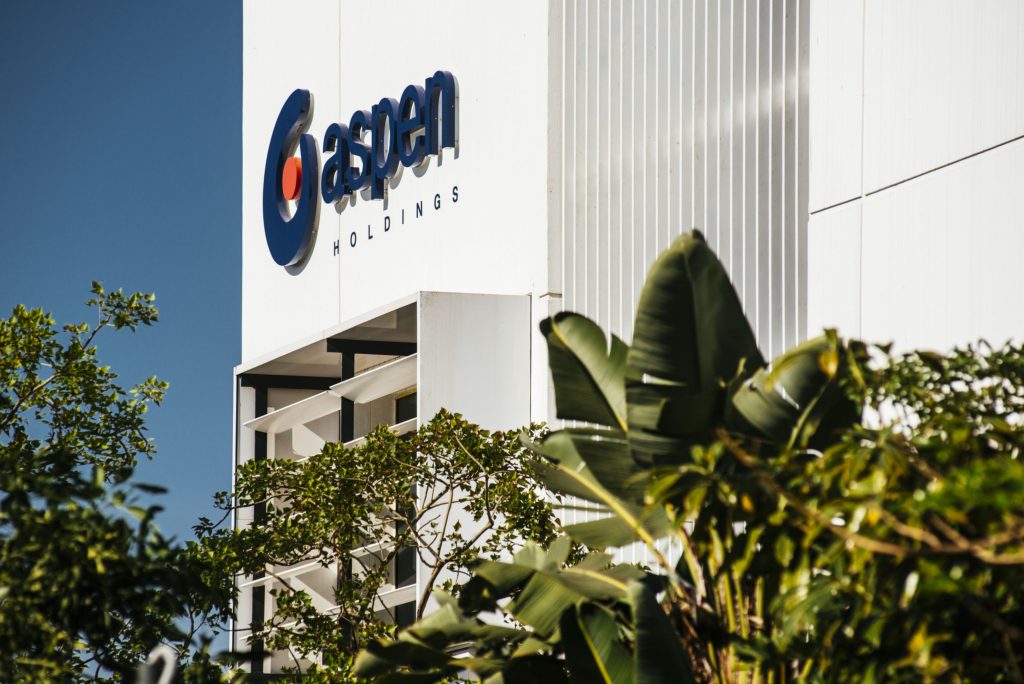
Africa’s largest drugmaker expects to get approval in Canada for its generic GLP-1 obesity treatment by September, potentially giving it an early start in a key market after Novo Nordisk A/S’s Ozempic patent expired.
Aspen Pharmacare is targeting regulatory approval between May and September for its copycat version of semaglutide, the key ingredient in Ozempic, Chief Executive Officer Stephen Saad said in an interview. The Durban, South Africa-based company hopes to be among the first to market in Canada, helping it in other nations that look to established regulators as benchmarks.
“You want to be within, say, six months of a first launch, to be part of market formation,” he said Tuesday, adding Canada would likely be the first market for its GLP-1 product. “Once we get Canada registration, it means we can use it as a reference for a lot of our Latin American countries, Middle Eastern countries.”
ADVERTISEMENT
CONTINUE READING BELOW
Aspen’s distribution of Eli Lilly & Co’s blockbuster obesity drug Mounjaro in South Africa has been “a massive growth driver,” Saad said. But the market dynamic will be different for generics, which will likely attract 12 to 15 manufacturers, he said, with intensifying price competition.
Even so, he expects Aspen’s volumes will be significant and GLP-1s to remain “a durable long-term growth driver” for the company. Aspen can compete aggressively on price and, even in Canada, “absolutely can do that profitably,” Saad said, adding he expects quick uptake in the country given the high penetration of other generic drugs.
Saad sees even greater potential in emerging markets, where patients often pay out of pocket, and a lower price point could unlock demand. “There are so many people that simply can’t afford to pay the price of branded products,” he said.
The core patent that Novo first filed for semaglutide in March 2006 is expiring in countries where an extension was not granted. Protection in Canada was the first to go, as the patent there lapsed after missed maintenance fee payments, and the data exclusivity that barred generics expired on January 4.
ADVERTISEMENT:
CONTINUE READING BELOW
Having invested heavily in GLP-1 manufacturing and reducing debt, Aspen is now reviewing capital allocation. While Saad doesn’t see “any massive acquisitions ahead,” he said shareholder returns could be discussed.
Shares of Aspen closed 0.5% higher in Johannesburg, bringing their gain this year to 16%. The company earlier reported a 4.1% fall in first-half revenue to R21.1 billion ($1.3 billion).
© 2026 Bloomberg
#Aspen #Pharmacare #eyes #Canada #GLP1 #generic #approval #September