
Progress on accountability is finally visible in South Africa, though the pace remains frustratingly slow.
Last week’s sentencing of former ANC MP Vincent Smith to seven years’ imprisonment represents the first major state capture conviction – a breakthrough after years of waiting for justice.
Smith was convicted of accepting R800 000 in bribes from facilities management company Bosasa while chairing parliament’s Portfolio Committee on Justice and Correctional Services.
Read:
Bribery in SA and the duty of companies to act
Agrizzi and Smith corruption trials draw near
Bosasa had been awarded over R1 billion in contracts by the Department of Correctional Services, and Smith had turned from critic to champion of Bosasa, using his parliamentary position to do so.
The Zondo Commission concluded that he had breached his oath as an MP to uphold the Constitution. Smith also failed to declare R21 million in earnings that his company received over nine years to the South African Revenue Service (Sars).
Smith’s conviction sends an important signal: powerful politicians are not beyond reach. But the question now is who follows.
The Zondo Commission identified numerous individuals who must face prosecution. Former president Jacob Zuma himself was implicated in enabling state capture. Former mineral resources minister Mosebenzi Zwane was found to have facilitated the Guptas’ capture of state resources.
Read: Bosasa whistleblower Angelo Agrizzi prosecuted, but what about the rest?
Former SAA chairperson Dudu Myeni was found to have undermined governance at the airline. Former Sars commissioner Tom Moyane oversaw the deliberate destruction of the revenue service’s capacity.
The National Prosecuting Authority must demonstrate that Smith’s conviction is the beginning of sustained accountability, not an isolated case.
ADVERTISEMENT
CONTINUE READING BELOW
Accountability must also reach into government departments where corruption continues to undermine service delivery. Last week saw the arrest of Department of Health Director-General Sandile Buthelezi and two other senior managers on fraud and theft allegations.
Full investigations and prosecutions must follow. The public has every right to expect government to operate professionally and honestly.
Health sector under scrutiny
The health sector has been particularly plagued by procurement corruption. Perhaps most prominent was the case at Tembisa Hospital, where irregular procurement running to R2 billion led to the murder of whistleblower Babita Deokaran in 2021.
Deokaran headed the Gauteng Health Department’s anti-corruption unit and was gunned down after flagging irregularities. Last week’s arrests underscore systemic problems in health procurement that rob citizens of services while enriching connected individuals.
Listen/read:
Jeff Wicks on how syndicates bled Tembisa Hospital of billions
Lesufi suspends Gauteng health HOD as R2bn corruption scandal deepens
The Department of Health must prioritise getting its house in order, including through stronger oversight of provincial health departments where much of the corruption occurs.
Cleaning up procurement, professionalising management, and protecting whistleblowers deserve the department’s full attention. Efficient, corruption-free delivery of existing health services must be the priority.
At local government level, the accountability crisis manifests differently but with equally serious consequences. Eskom has been battling for years to collect payment from municipalities that owe R110 billion, equivalent to half the utility’s net assets.
Many metros and smaller towns use revenue collected for electricity and water to pay for other services, leaving Eskom unpaid and infrastructure unmaintained.
ADVERTISEMENT:
CONTINUE READING BELOW
Without resolving this crisis, Eskom faces an impossible position. It cannot raise new finance with such debt on its books.
In the competitive electricity market that is emerging from government reforms, Eskom must be financially sound. Yet cutting off municipalities would harm thousands of citizens who pay their bills on time, violating their rights to minimum service levels.
The real culprits are municipal officials failing to manage finances appropriately.
Read:
Eskom threatens Ekurhuleni power cuts over R3.4bn arrears
SA electricity generation is barely above Covid levels
Efforts to resolve this have failed. National Treasury developed a negotiated debt plan with municipalities, but many failed to honour the terms.
Last week, Eskom stepped up its response, initiating a process under the Promotion of Administrative Justice Act that could lead to municipalities being cut off. This approach ensures constitutional rights are properly considered while creating a legal foundation for action.
Doing this in a local government election year may also prompt communities to think harder about whom they put into office.
Voters must demand answers
Voters should demand clear answers from candidates: how will you ensure Eskom and water boards are paid? How will you stop revenue meant for infrastructure maintenance from being diverted elsewhere? How will you tackle the culture of non-payment?
Without functional municipal finances, no amount of national fiscal discipline or infrastructure spending will deliver the services communities need.
From prosecuting those implicated in state capture, to arresting department heads involved in fraud, to confronting municipal financial mismanagement, this is what rebuilding accountability looks like. It must happen at all three levels of government simultaneously.
ADVERTISEMENT:
CONTINUE READING BELOW
The system only works when accountability runs from national leadership through departments to municipalities.
Progress is visible but incomplete. One state capture conviction after years of investigation is not enough; we need sustained prosecutions.
Health sector arrests must lead to systemic procurement reforms, not just individual cases. Municipal debt requires both immediate consequences for non-payment and long-term governance improvements.
Rebuilding accountability
This accountability drive translates into greater trust in government and confidence that public services will be reliably and cleanly delivered. That confidence enables investment, which drives growth and employment.
But it requires consistent pressure from civil society, business, and citizens demanding that those entrusted with public resources face real consequences for corruption and mismanagement.
BLSA will continue monitoring progress and supporting reforms that strengthen institutional capacity and accountability mechanisms.
The work of rebuilding governance after state capture is far from complete, but last week showed we’re finally moving in the right direction.
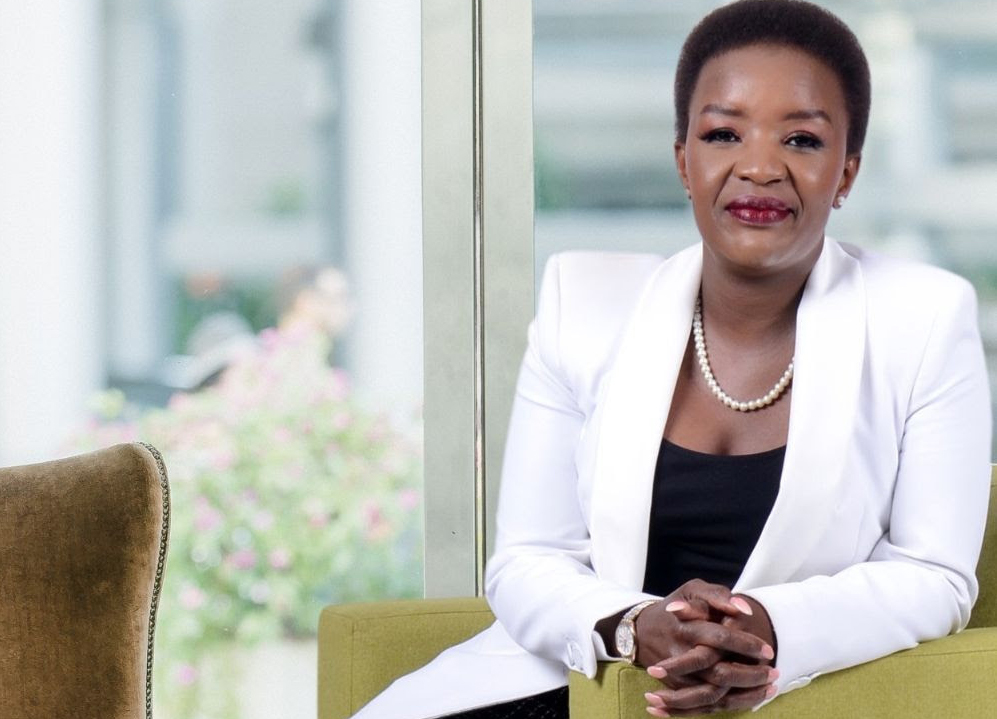
Busi Mavuso is CEO of Business Leadership South Africa.
#state #capture #conviction #signals #progress