
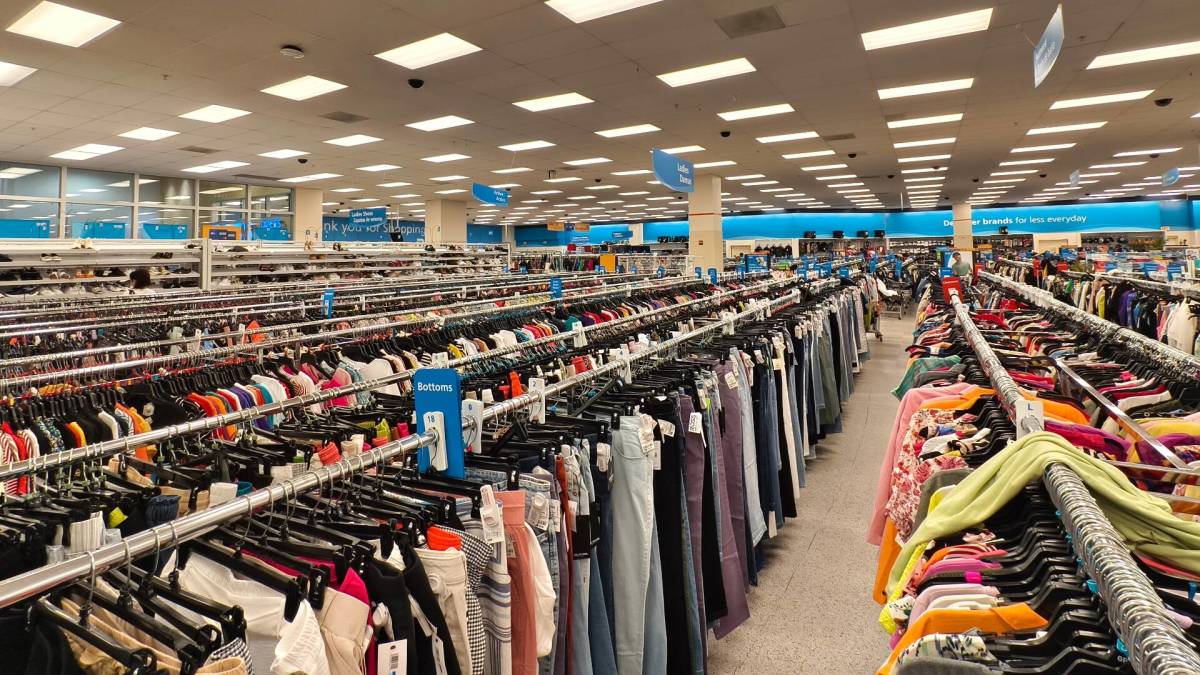
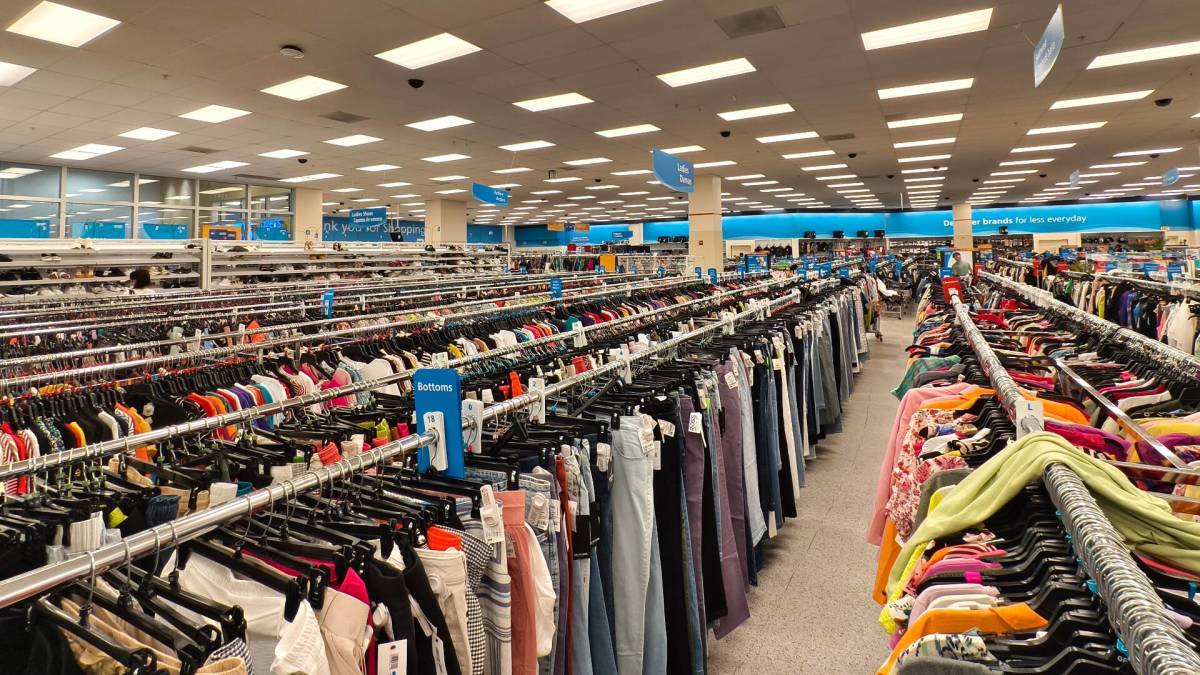
Ross Stores is benefiting from a growing consumer trend, unlike some of its competitors in the retail landscape. The off-price retailer is seeing heightened demand in stores, as economic uncertainty pressures the wallets of consumers nationwide. To capitalize on increased consumer momentum, the company’s CEO is weighing a risky in-store change that shoppers may not be too fond of.
Toward the end of last year, Ross, which also operates DD’s discounts, saw its comparable store sales rise by 9% year over year, while its operating income also spiked by about 11%, according to its fourth-quarter earnings report for 2025.
Additionally, recent Placer.ai data found that overall foot traffic at Ross locations increased by almost 12% year over year during the fourth quarter. This growth surpassed competitors TJMaxx, Marshalls, and Burlington, which all saw visits grow 2.8%, 3.3%, and 9.4%, respectively.
Off-priced retailers are resonating more with consumers compared to department store chains such as Macy’s, Kohl’s, and JCPenney, which all suffered declining foot traffic during the quarter.
“Pre-COVID, department stores held a slight edge, capturing just over half of visits to the two segments,” wrote Lila Margalit, content manager at Placer.ai, in an analysis. “But by 2025, that relationship had fully reversed, with off-price claiming a remarkable 62.9% share of visits.”
“As consumers grow more price-sensitive and the retail landscape becomes more bifurcated, traditional department stores have struggled to articulate a clear competitive edge — while off-price continues to benefit from a straightforward, discovery-driven model,” she added.
Ross CEO considers in-store shift that could put customer loyalty to the test
While speaking to investors during the company’s earnings call on March 3, Ross CEO Jim Conroy said that sales and earnings in the fourth quarter “significantly” surpassed the company’s expectations.
“Every major merchandise category showed solid positive sales growth with shoes and cosmetics performing the best,” said Conroy.
Ross especially saw its ladies business accelerate during the quarter, especially in the junior section.
“We are very comfortable saying that we have seen growth, very broad-based across income demographics and age demographics, including 18- to 34-year-old customers,” said Conroy.
Shutterstock
It is no surprise that young U.S. consumers have been flocking to Ross stores. A PWC survey a few months ago found that younger consumers are increasingly value- and price-conscious.
About 79% of Gen Z shoppers wait for products to go on sale before making a purchase, while ony 21% regularly pay full price. Also, searches for discount codes is up 14%.
The increased consumer demand at Ross follows last year’s price increases in stores due to tariffs. Conroy said price hikes during the fourth quarter were “pretty modest,” with the company’s home category getting “hit hardest by tariffs.”
He also said that during the quarter, Ross had “gained some confidence” in introducing higher prices in stores.
“I think if we had a learning coming out of the quarter, it is that we probably have the ability to push for some either higher-priced goods or potentially taking some retails up,” said Conroy.
Related: Kohl’s makes bold store change to lure back customers
Conroy acknowledged that “having the best bargains in retail” has made the company successful and confirmed the company’s main focus on maintaining that reputation. However, Ross isn’t afraid to ask customers to dress for more.
“If we feel like we have merchandise categories that are margin eroding, increasing AUR (the average selling price of an item) a little bit to recapture some of that,” said Conroy.
This potential change could be risky for Ross as many consumers across the country are feeling the pinch amid economic pressures, which has pushed them to cut their spending, a survey from L.E.K. Consulting Survey in October found.
Where Americans plan to cut spending:
- About 57% of U.S. consumers believe they are paying more than is acceptable for apparel, footwear, and accessories, and 50% feel this way about beauty products.
- Only about a quarter of U.S. consumer expect their financial situation and discretionary spending ability to improve in the next 12 months.
- Additionally, 74% plan to cut spending on apparel, shoes, and accessories; 68% on major household goods; and 63% on beauty products.
- A whopping 83% said they’ll purchase lower-priced household brands or products; 60% will buy lower-priced clothing, footwear, and accessory brands or products.
Source: L.E.K. Consulting Survey
“The survey pointed to the apparel category as the most sensitive for consumers when it comes to price increases from tariffs,” Laura Brookhiser, a managing director at L.E.K. Consulting, said in a statement.
Rob Haslehurst, also a managing director at L.E.K. Consulting, added in a separate statement that companies should avoid increasing prices to match the market.
“The most effective brands and retailers will seek to set prices to reflect the benefits that consumers actually feel — rather than simply adding a cost mark-up or matching the market, which has been customary at some companies,” said Haslehurst.
“They will work hard to thoroughly understand the essential qualities that define the value proposition of the brand so they can ensure the price is right,” he continued.
Ross hopes a bold strategy will attract more shoppers
While Ross weighs potential price increases, it is planning additional bold changes to drive demand even higher.
The company has recently been testing self-checkout in its stores, a change it plans to introduce to more locations this year.
“We have been piloting self-checkout actually for some time now, and we plan to expand to more stores given the positive results we have seen thus far,” said Ross Chief Operating Officer Michael Hartshorn during the company’s earnings call.
Last year, Ross opened 80 new Ross Dress for Less stores and 10 DD’s Discounts stores, while expanding into new markets such as the New York Metro Area and Puerto Rico. This year, the company plans to accelerate its store openings, with some targeting “more populated, higher-rent markets.”
More Retail:
- Home Depot CEO raises alarm bells on consumer problem in stores
- Kroger quietly reduces a vital store service for customers
- Kohl’s makes bold store change to lure back customers
“We are planning to open 110 new locations this year, which represents 5% growth. Part of that growth reflects the reacceleration of DD’s Discounts with plans to open 25 stores in 2026,” said Conroy. “For Ross, we see an opportunity to open 85 new stores this year, slightly above last year.”
“As we continue to identify attractive real estate opportunities across our markets, we remain confident in the long-term potential to grow Ross and DD’s chains to 2,900 and 700 stores, respectively, expanding our reach to even more customers over time,” he added.
As Ross plans to roll out these changes, it expects same-store sales growth of 3% to 4% for fiscal year 2026.
Related: Home Depot CEO raises alarm bells on consumer problem in stores
#Ross #Stores #CEO #eyes #change #risks #pushing #shoppers