
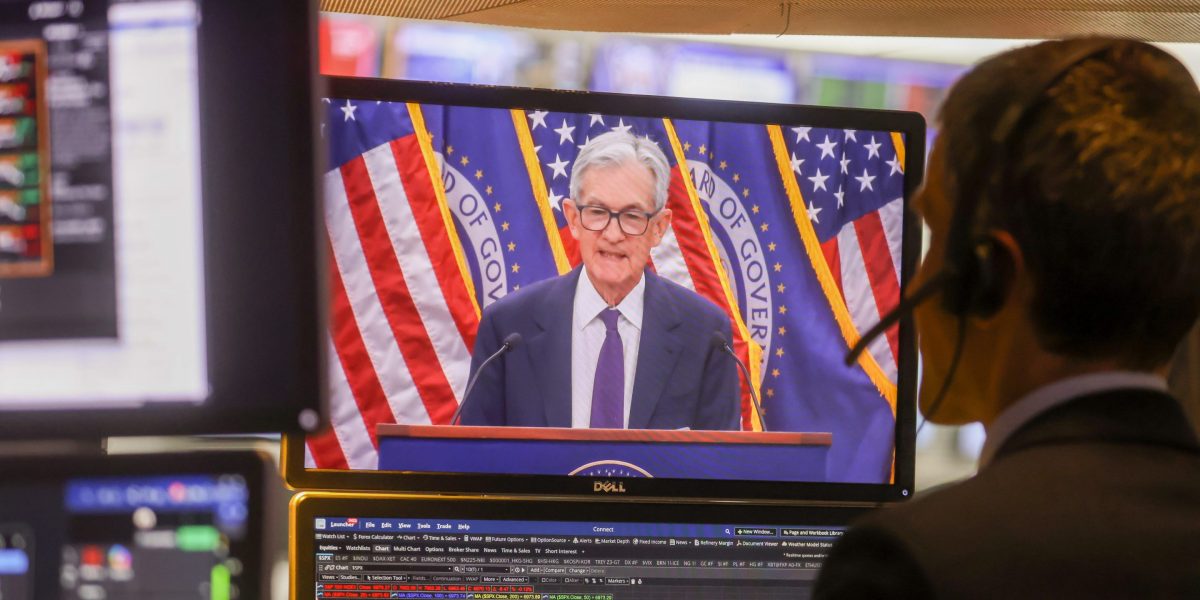
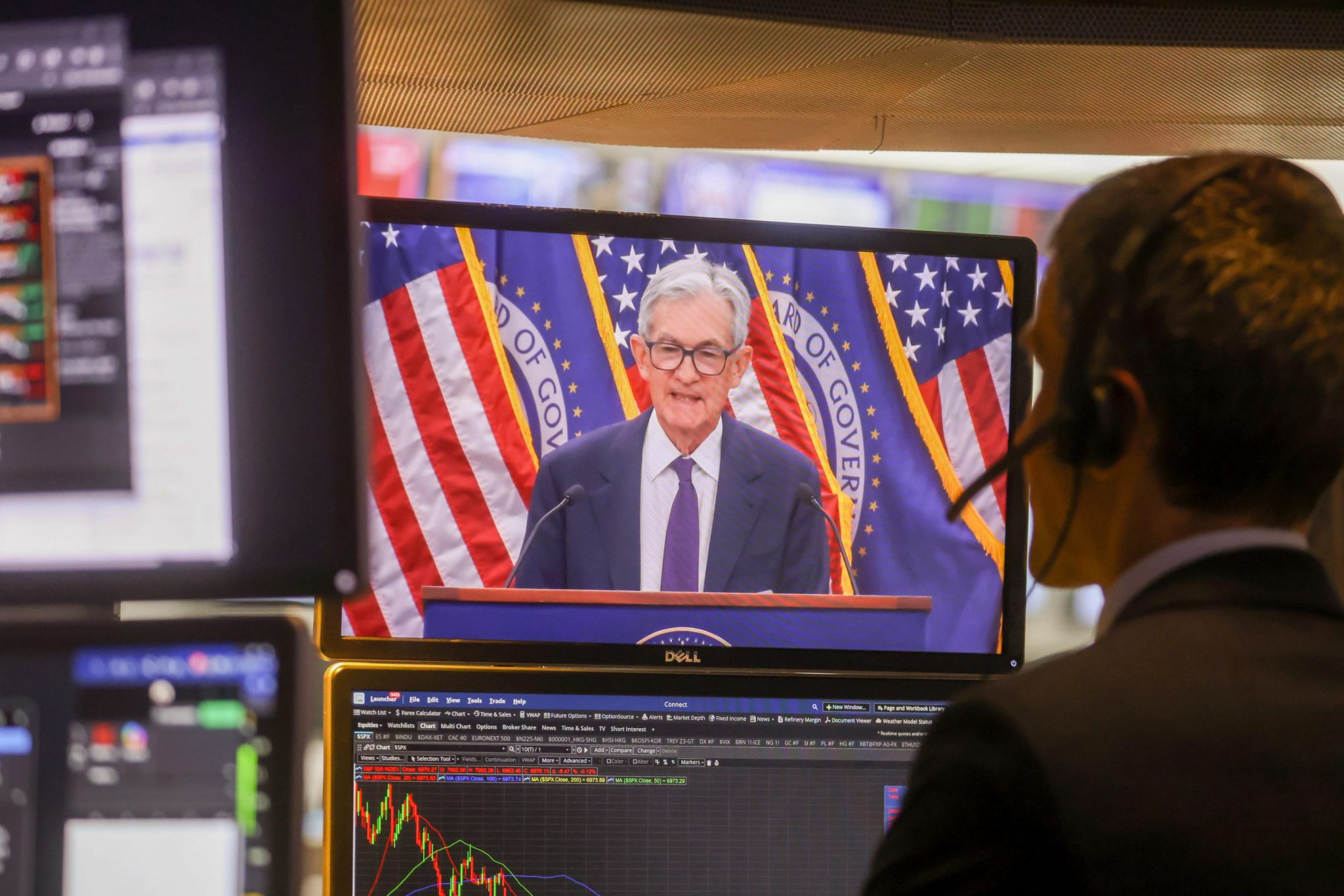
While President Trump managed to calm markets somewhat this week by saying the U.S. and Israel’s war with Iran is “very complete, pretty much,” those assurances from the Oval Office will likely do little to unwind the hawkish stances of the world’s central banks.
The conflict in the Middle East sent oil prices spiralling to more than $100 a barrel over the weekend, with consumers in the Western world panic-buying supplies. Oil and energy prices are a key factor in inflation expectations for households, and the reality of any price surges in the commodity increases readings for core inflation data.
This is the concern of a central bank, many of which are mandated to keep prices stable. In countries like the U.S., the Fed even has an inflation target of 2% to maintain. Already, sticky inflation is ahead of where the Federal Reserve would like to be: The latest CPI reading from the Bureau of Labor Statistics (BLS) was 2.4% over the past 12 months, with some categories, such as food and energy services, well above that level.
Any upward pressure impacting the finances of households and businesses will work against calls for a lower base rate—an argument President Trump and his cabinet have been making for the past year.
But Trump is likely to be disappointed. Macquarie strategists Thierry Wizman and Gareth Berry say that even if the war in Iran does quickly draw to a close, it will be months before central banks feel confident its inflationary impacts have subsided.
“Pres. Trump’s suggestion that the war will resolve ‘very soon’ may have been merely a reflection of Iran’s degraded capacity to fight back, rather than a tactical retreat by the U.S.,” the duo observed in a note to clients this week. “If so, we can still expect hostilities will wind down, but around month-end, and not now.”
“That’s still enough time to cause psychic damage to investors, consumers, and adversely affect economic data for the April release cycle in May.”
Question marks over the pass-through of higher oil prices to consumers will loom large at the Federal Open Market Committee’s rate-setting meeting next week. The factors contributing to the rise in oil prices are also not easily rectified: Iran borders the Strait of Hormuz, a narrow waterway in the Persian Gulf through which exports from the UAE, Qatar, Kuwait, and Iraq all flow. Shipmasters are now nervous to sail through it.
As well as sourcing insurance guarantees for shipmasters, the White House has offered military escorts to ships along the strait in order to keep the route open. Energy Secretary Chris Wright claimed on social media yesterday that a U.S. Navy vessel had escorted an oil tanker down the Strait, though this post was later deleted with White House Press Secretary Karoline Leavitt later confirming the military had not provided such an escort.
“Almost all [central banks] will tilt to the hawkish side of the rhetorical spectrum while oil prices stay high,” added the Macquarie strategists. They continued: “We would expect that this more ‘hawkish’ disposition persists even after hostilities end, largely because the data may continue to point to inflationary pressures (and hence a shift in public expectations) throughout the period in which inflation may show up in the data—i.e., through the May reporting cycle.”
A dual surprise
Inflation is only one half of the Fed’s mandate. The other half is maintaining stable employment. Investors seem relatively convinced it is the inflation side of the mandate the Fed will focus on, and are pricing out a cut as a result: Per CME’s FedWatch barometer, speculators are pricing in more than a 99% chance of a hold at the next meeting.
However, Bank of America’s Aditya Bhave suggests markets are misreading the Fed’s likely response to oil price increases. In a note released yesterday, BofA’s senior economist noted supply shocks create risks to both sides of the Fed’s dual mandate, with the employment outlook remaining sluggish. The most recent jobs report from the BLS showed nonfarm payroll employment edged down by 92,000 in February, with the unemployment rate at 4.4%.
“Policy risks play out when demand is strong enough for activity to withstand a supply shock,” he explained. “This allows the Fed to focus on inflation, as it did in ’22. But when Russia invaded Ukraine, the U-rate was below 4%, core PCE inflation was over 5%, payrolls were running at 500k/month and consumers were flush with Covid stimulus cash.
“By contrast, we now have a soft labor market, moderately elevated inflation and more modest fiscal support. This sets us up for a more dovish Fed response if the oil shock is persistent.”
Join us at the Fortune Workplace Innovation Summit May 19–20, 2026, in Atlanta. The next era of workplace innovation is here—and the old playbook is being rewritten. At this exclusive, high-energy event, the world’s most innovative leaders will convene to explore how AI, humanity, and strategy converge to redefine, again, the future of work. Register now.
#Wall #Street #expects #Fed #stay #hawkish #Iran #oil #prices #months #conflict #ended