
Chevron (CVX) and Shell are closer to inking major deals as the Iranian crisis looms in the backdrop.
Both energy giants are inching toward some of the first major production agreements in Venezuela since the January political upheaval, Reuters reports. This led to a massive opening in the market.
The story is massive, but the timing makes it even more compelling.
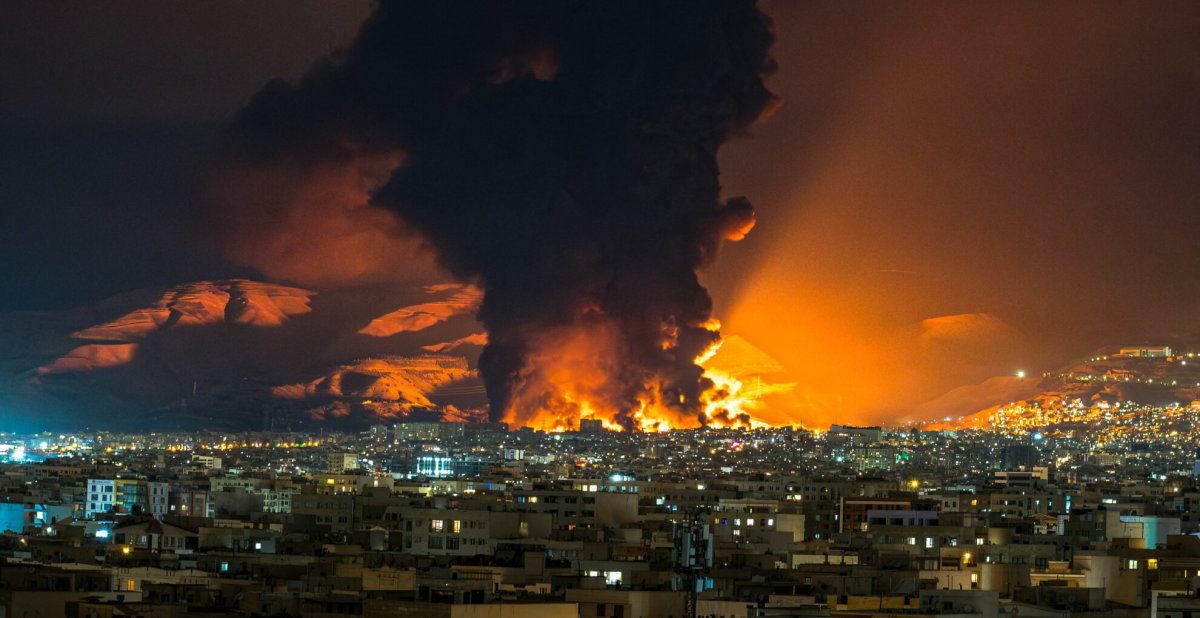
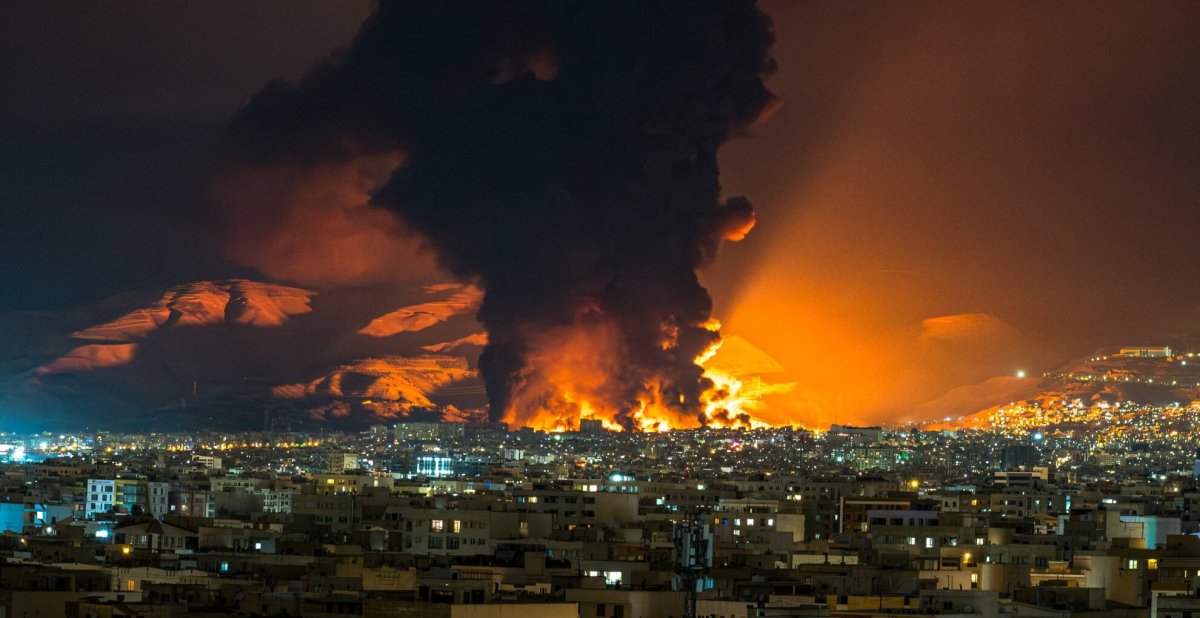
Fresh Reuters reporting on March 11 and March 12 reveals how quickly the Middle East crisis is tightening the market. Iran is said to be putting land mines in the Strait of Hormuz, which is the waterway that usually carries about 20% of the world’s oil and LNG.
Oil prices are up, and the International Energy Agency warns that the world faces the biggest oil-supply disruption ever because of the conflict.
While Venezuela will not immediately replace the Gulf supply, Venezuelan barrels, which have been stuck in limbo amid politics, sanctions, and a lack of investment, now look more appealing to global producers and buyers seeking supply outside the Hormuz chokepoint.
That is the clearest “why now” for Chevron and Shell. It will help management and stockholders understand why they need to take a greater interest in Venezuela, which has enormous reserves and newly loosened oil rules.
Shell said its agreements “formally articulate Shell’s intent to progress a variety of opportunities with Venezuela,” including offshore gas, onshore oil and gas, exploration, local content, and workforce development.
Chevron’s Venezuela expansion could gain urgency from oil-market turmoil
Chevron is starting this race with a much-needed advantage, giving it immediate production upside.
The company and Venezuela’s energy authorities signed a deal on the first steps to expand Chevron’s biggest Venezuelan project, Petropiar, in the Orinoco Belt, per Reuters.
More Oil and Gas:
- Energy giant sends blunt $20 billion message on dividend growth
- 147-year-old oil giant just raised dividend 4% in 2026
- Top energy stocks to buy amid Venezuela chaos
Under the terms of the contract, Chevron will drill for oil in the Ayacucho 8 area, a block south of Petropiar that is known for extensive oil resources but is mostly undeveloped.
That matters because Chevron will not enter a new area. About 20 years ago, PDVSA finished exploration and evaluation work in Ayacucho, according to Reuters.
Chevron and PDVSA could then extend their current well-clustering system to the new area. That might allow the partners to add output more quickly than they would with a full greenfield project. Petropiar produced about 90,000 barrels of upgraded Hamaca crude and 20,000 barrels of vacuum gas oil every day, a PDVSA document viewed by Reuters revealed last month.
The market background makes the case stronger. On March 12, Brent prices briefly hit $100 a barrel as the Iran conflict affected shipping and energy facilities in the Gulf.
At the same time, Gulf producers cut production by about 10 million barrels per day. In a market like that, a company that has a chance to get more exposure to big reserves outside the Gulf has more reason to act quickly. That is an inference based on the reporting, but it is a logical one.
Chevron is also looking for lower royalty rates and other benefits that Venezuela’s new oil law makes possible. If these terms are confirmed, the project could gain even more appeal during a period when oil companies are increasingly considering the source of their future barrels due to geopolitical risk.
Sasan/Middle East Images/AFP via Getty Images
Chevron quietly targets a more valuable kind of oil exposure
Venezuela’s government is still reviewing contracts across the oil and gas sector, adding to the company’s risk.
But it also gives big, well-known companies a chance to lock up more valuable assets while Caracas changes the rules. Reuters said a decision may come as soon as the end of March.
For investors, the broader point is that the proposal is no longer just a Venezuela comeback thesis. It is becoming a global supply-security story. The more pressure the Iran crisis puts on the Strait of Hormuz, the more valuable it becomes to account for oil and gas reserves in other parts of the world, especially in the Western Hemisphere.
Why Chevron’s Venezuela move matters now
- Chevron is negotiating to expand Petropiar into Ayacucho 8, according to Caribbean Energy Week.
- Petropiar already produces about 90,000 barrels per day of upgraded crude, plus 20,000 barrels per day of vacuum gas oil.
- Brent briefly hit $100 per barrel on March 12 as the Iran crisis rattled shipping and supply.
- The Strait of Hormuz normally handles about 20% of global oil and LNG flows.
Chevron’s opportunity is not just linked to whether Venezuela can instantly replace the Gulf.
Instead, it could be that the company builds more long-term reserves in a new market. The focus on geographic diversification sharpens the story and enhances its usefulness for investors.
Shell’s Venezuela oil and gas strategy fits a market seeking flexibility
Shell’s angle is different but equally important.
Reuters said Shell has signed preliminary agreements with Venezuela and is looking to develop the Carito and Pirital fields in the Monagas North region.
Those assets stand out because they produce light and medium crude and natural gas, representing a more flexible mix versus Venezuela’s better-known extra-heavy barrels.
Related: JPMorgan’s shocking Iran forecast could change oil’s next move
That is relevant for both the export and infrastructure strategies. Light and medium crude can help mix Venezuela’s heavier oil for export, and the gas side gives Shell another way to get into a market that is becoming more rewarding for options.
Reuters reported that the broader Punta de Mata area, including Carito and Pirital, produced about 94,000 barrels per day of crude and 1.03 billion cubic feet of gas per day last month. Around 350 million cubic feet per day were flared.
The flaring number is very important. It indicates that things aren’t working well, but it also shows there is a chance. Shell and others have explored ways to access Venezuelan gas, possibly via Trinidad.
In an energy market shaken by problems in Hormuz, it becomes much easier to justify projects that combine oil, gas, and infrastructure benefits.
It also helps explain why Shell’s talks with Venezuela aren’t just about oil. They are part of a bigger story about what big energy companies do when one of the world’s busiest shipping routes suddenly seems weak.
What makes Shell’s Venezuela push different
- Shell is targeting Carito and Pirital in Monagas North.
- Those fields can produce light crude, medium crude, and natural gas.
- Punta de Mata output last month was about 94,000 barrels per day of crude and 1.03 billion cubic feet per day of gas.
- Roughly 350 million cubic feet per day of gas was flared, highlighting room for infrastructure upgrades.
Shell’s talks with Venezuela are also part of a larger trend in the industry. When geopolitical shocks make people worry about chokepoints, majors tend to look more closely at underdeveloped basins that could help them get more supplies in the future.
Venezuela is still a very risky place to do business because of its politics and operations, but its size is one few other countries can match.
Venezuela’s oil reset is gaining a timely new angle
This would still be an important story about Venezuela reopening its oil industry, even without a crisis in Iran.
The Iran crisis makes it more important to find out where future non-Gulf supplies might come from.
Venezuela began examining oil and gas projects in February and is now looking at deals in the whole sector. Officials have reportedly told company leaders they want to finish that review by the end of March.
At the same time, Reuters said U.S. officials are checking companies’ credentials, making sure they follow sanctions before allowing partners in.
That means real problems still exist. Venezuela’s infrastructure is weak, the risk of contracts is still high, and there is still a lot of political uncertainty.
The logic behind these talks is getting stronger, though. Large reserves in places like Venezuela become more appealing as the Gulf becomes less stable, even if it takes a long time to restore them.
The issue is about keeping their place for Chevron and Shell. It could be the start of an energy revival for Venezuela, and it suddenly seems more important to the rest of the world than it did just a few weeks ago.
Related: Greg Abel sends Berkshire investors a powerful new signal
#Chevron #Shell #stunning #Venezuela #move #Iran #crisis #deepens