
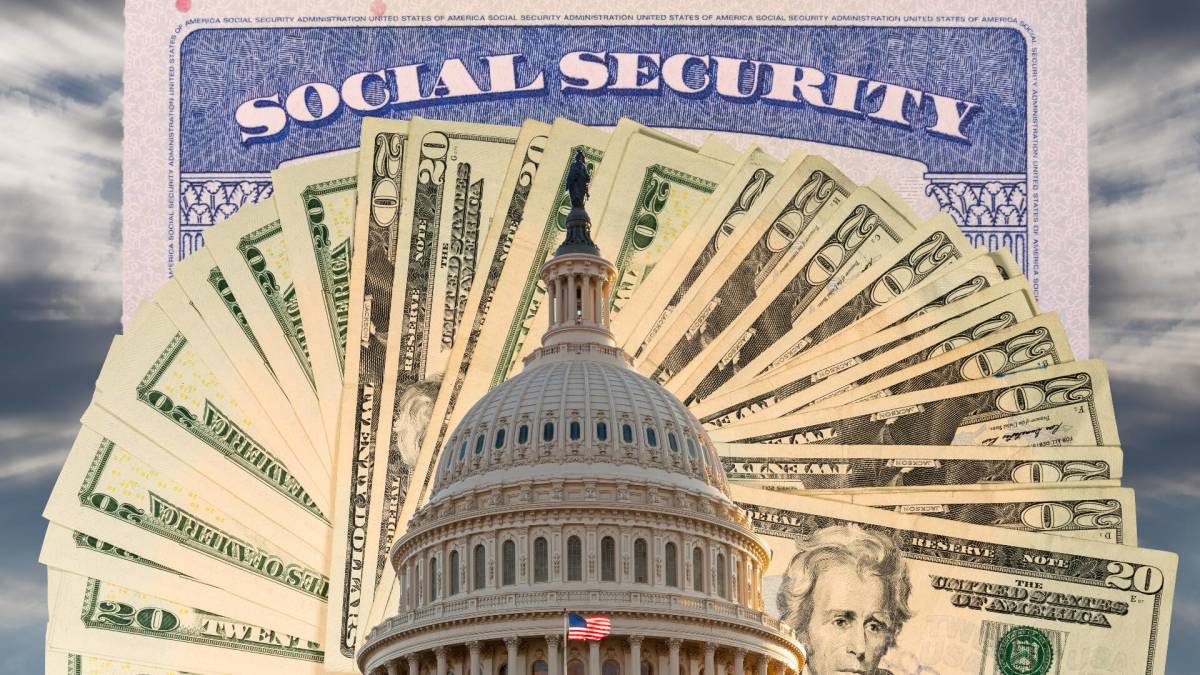
I’ve been writing and reporting about Social Security and other personal finance topics for years. The federal program that provides some income for retired Americans is vitally important to most people, but it can be a bit of a chore to read about.
But, every once in a while, Social Security news appears that captures my attention with a sense of urgency such that I immediately want to share what I’ve learned with my readers.
AARP, the nonprofit advocacy organization for Americans over 50 years old, and personal finance bestselling author Dave Ramsey are helping spread the word on scams about which the Social Security Administration (SSA) is sounding an alarm.
Related: AARP, SSA warn retirees about new benefit reductions
The SSA’s Office of the Inspector General (OIG) recently published a warning about scams involving people impersonating Social Security personnel.
“We are seeing a sharp increase in fraudulent emails designed to look like official Social Security Administration communications,” said Michelle L. Anderson, an SSA assistant Inspector General for audit, according to AARP on March 10. “These messages are not from Social Security. Anyone who receives one should delete it immediately and report it.”
In fact, criminals posing as Social Security or other federal officials to extract money or personal data have become one of the most widespread fraud tactics in the U.S.
“In 2025, the Federal Trade Commission (FTC) received more than 330,000 complaints involving government impersonation, a 25 percent increase over the prior year,” according to an SSA statement.
“SSA remains one of the most frequently targeted agencies,” the statement continued. “In response, SSA is taking action through extensive outreach and investigative initiatives.”
SSA explains scam, offers Social Security recipients advice
“All scams — especially imitations of the Social Security Administration — put Americans’ identity and financial security at risk,” said Social Security Commissioner Frank J. Bisignano. “I encourage all Americans to remain vigilant, today and every day, as we work to spread awareness about the danger of scams.”
Scammers who pose as Social Security officials exploit fear and manufactured urgency to trick people into handing over money or sensitive information. This leaves individuals and families with real financial losses, the SSA warned.
“Awareness is one of the strongest tools we have — we encourage consumers to take an intentional pause when they get a message they weren’t expecting, guard their wallet, verify, and report suspected scams — knowing the red flags can prevent devastating financial losses,” Anderson said.
SSA’s advice on detecting fraud
- Criminals rely on polished, deceptive methods to trick people into giving up personal or financial details, making it important to stay skeptical and watch for warning signs.
- Their approach often follows the “P’s”: Pretend to be a trusted agency, claim a Prize or Problem, apply Pressure, and demand Payment.
- Scammers frequently pose as Social Security representatives through phone calls, texts, emails, websites, or social media messages, insisting there is an issue with someone’s benefits or Social Security number.
- Caller ID can be manipulated to appear as an official government line, adding to the illusion of legitimacy.
- Some scammers send forged documents to push people into sharing information or sending money.
- Other tactics include citing fake “badge numbers,” using counterfeit Social Security letterhead, and creating imposter social media accounts to collect payments or personal data.
(Source:Social Security Administration)
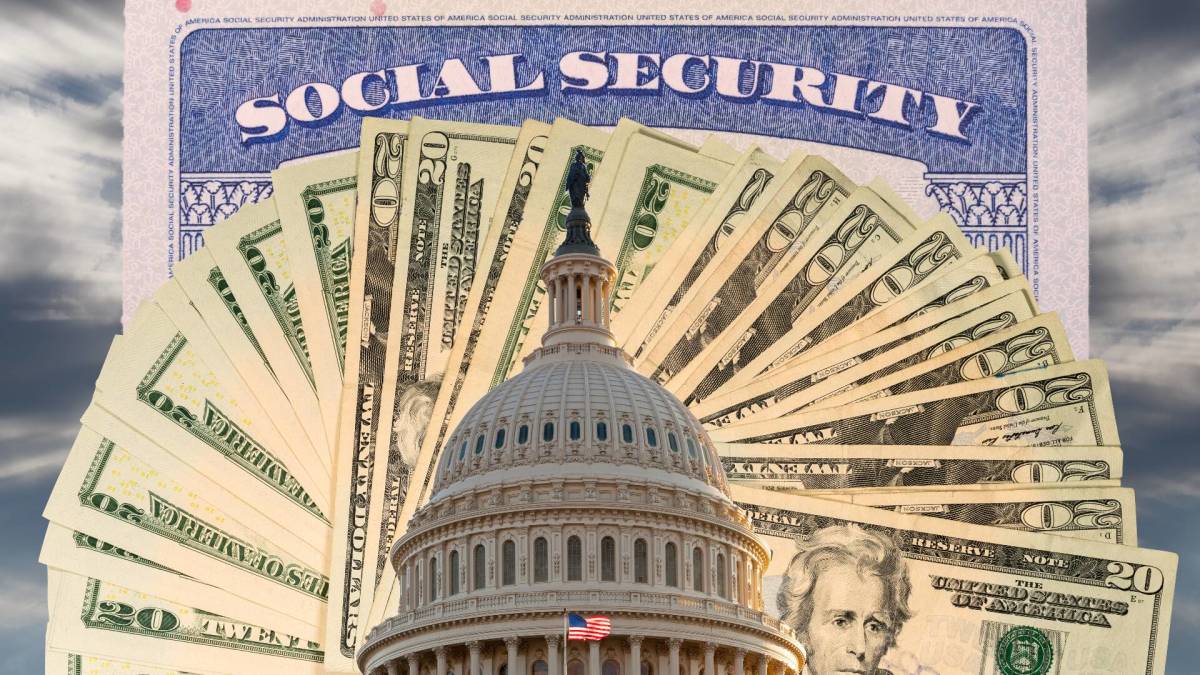
Shutterstock
Dave Ramsey reveals way Social Security numbers are used for fraud
Ramsey explains a method that is often used to wield stolen Social Security numbers in scam operations.
“It might be hard to believe anyone would voluntarily go near taxes — but criminals do,” Ramsey wrote. “They steal your Social Security number and then file for a giant tax refund on your behalf.”
“You better believe it won’t be accurate, so not only will you not get your tax refund, but it’ll also look like you were the one committing fraud,” he continued. “You’ll catch it when you send in your real return and it’s rejected by the IRS because you’ve ‘already filed.'”
More on personal finance:
- Zillow forecasts big mortgage change for U.S. housing market
- AARP sounds alarm on major Social Security problem
- Dave Ramsey bluntly warns Americans on 401(k)s
From the beginning of every new year until Tax Day on April 15, Americans hear a lot about how important it is to file taxes early.
“Why? Part of the reason is to avoid tax fraud,” Ramsey wrote. “It sounds crazy, but this kind of identity theft happens more often than you’d think — in the 2024 tax season, the IRS identified over 3.5 million tax returns as potentially fraudulent.”
Related: AARP sounds alarm on big Medicare, Social Security problem
#Dave #Ramsey #AARP #sound #alarm #growing #Social #Security #problem