
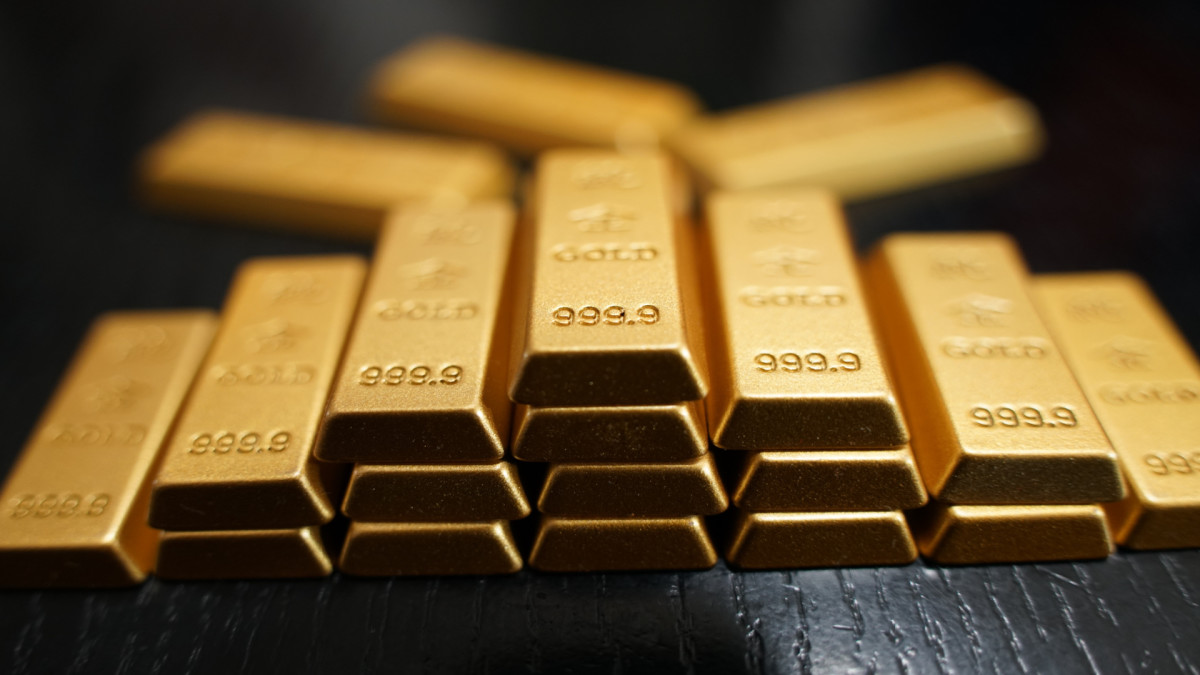
Gold hit an all-time high of $5,589 per ounce on Jan. 28, 2026. As of March 19, it is trading as low as $4,551. That is a drop of roughly 18.5% in less than two months, and it is still moving lower.
The sell-off has now stretched to seven consecutive sessions, the longest losing streak since 2023. For a metal that surged 65% through 2025 and carried the reputation of the ultimate safe-haven asset, the question on every investor’s mind is the same: What happened?
The answer comes down to three converging forces: a Federal Reserve that has turned more hawkish, a Middle East war that is stoking inflation rather than flight-to-safety flows, and a dollar that is winning the tug-of-war over where global capital goes when fear takes over.
Why the gold price drop is accelerating after the Fed decision
The Federal Reserve held rates steady on March 18, leaving the federal funds rate unchanged at 3.5% to 3.75%. That was widely expected. What markets did not fully price in was how hawkish the tone would be.
Chair Jerome Powell acknowledged that the ongoing Iran conflict is pushing oil and gas prices sharply higher, raising the risk of renewed inflation at a time when the Fed was supposed to be easing.
The Fed’s Summary of Economic Projections now shows a median forecast of just one rate cut in 2026, unchanged from December, and a signal that any near-term easing cycle is essentially off the table.
More Gold:
- Gold, silver surge after record drop flashes technical signal
- Silver and gold tumble triggers major reset for mining stocks
- J.P. Morgan revises gold price target for 2026
This matters for gold in a direct and well-understood way. Gold pays no interest. When borrowing costs stay high and real yields rise, holding the metal becomes increasingly expensive compared to yield-bearing alternatives like Treasury bonds.
As rate-cut expectations have evaporated in recent weeks, one of gold’s primary tailwinds has turned into a headwind.
Why gold is falling, even as Middle East war fears grow
The U.S.-Israel strikes on Iran, now in their third week, have disrupted the Strait of Hormuz and sent oil prices up more than 40% since the conflict began. Brent crude has spiked above $108 per barrel. WTI is trading around $96. The energy shock is real, and it is feeding into inflation expectations globally.
Here is the paradox gold investors are grappling with: A hot war in the Middle East would normally send money flooding into safe-haven assets. Instead, the war is making gold less attractive by decreasing the likelihood of rate cuts. The energy shock has essentially handed the Fed a reason to stay tight, and staying tight is bad for bullion.
There is a secondary dynamic at play. Analysts describe recent selling as a flight to liquidity rather than a flight from risk.
When broad market sell-offs accelerate, even assets like gold get liquidated. Investors sell what they can, not just what they want to. Gold, which had climbed sharply into 2026, had plenty of embedded gains to give back.
What is driving the gold sell-off right now:
- The Fed signaled just one rate cut in 2026, removing a key tailwind for non-yielding assets.
- Oil above $100 per barrel is fanning inflation fears, giving the Fed reason to stay restrictive.
- A strengthening dollar is making gold more expensive for buyers in every other currency.
- Forced liquidations from leveraged funds are adding to selling pressure, regardless of fundamentals.
Gold price forecast 2026: What analysts are saying now
The structural case for gold has not collapsed. Central banks have been buying at elevated levels for three consecutive years.
- J.P. Morgan is maintaining its year-end 2026 price target of $6,300 per ounce.
- Deutsche Bank stands behind $6,000.
- Neither bank has moved those targets despite the recent correction.
- Both see the current pullback as a tactical event inside a structural bull market, driven by temporary macro pressures rather than a change in the underlying demand picture.
CFOTO/Future Publishing via Getty Images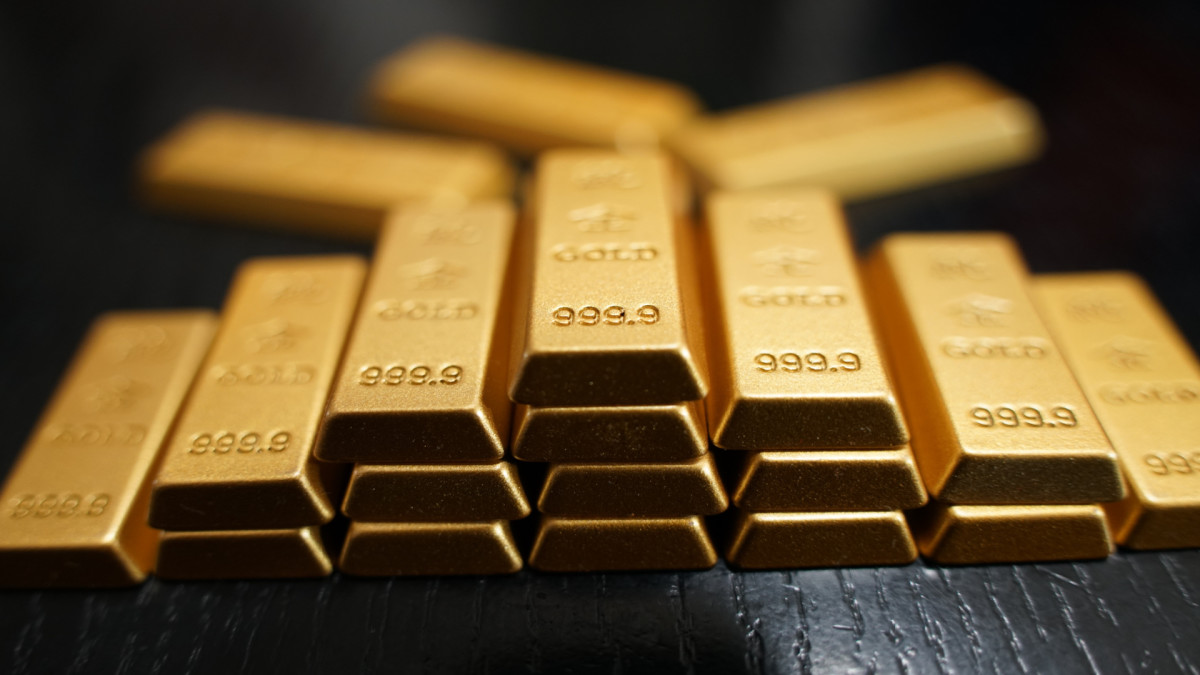
The $4,800 level is being watched closely as near-term support. Gold’s 50-day moving average broke lower on March 18, and further downside is possible if inflation data forces the Fed to adopt an even more restrictive posture.
That dynamic is not unique to this episode. It played out in March 2020 and again during the April 2025 tariff shock, when gold dropped briefly before recovering sharply once the initial wave of forced selling cleared.
Is gold still a buy after the sell-off?
The bull market that took gold from around $2,600 to over $5,500 in 12 months was built on real structural foundations: de-dollarization trends, U.S. fiscal deficits, and sustained central bank accumulation. None of that has changed.
The dollar is winning right now. The macro tape is tight. But gold has recovered from sharper drops than this one, and the same forces that drove a 65% rally in 2025 have not gone anywhere.
For now, the macro tape is in charge. And the macro tape says: rates up, dollar up, gold down.
Related: Billionaire Ray Dalio delivers blunt message on gold
#Gold039s #price #falling #fast #Here039s