
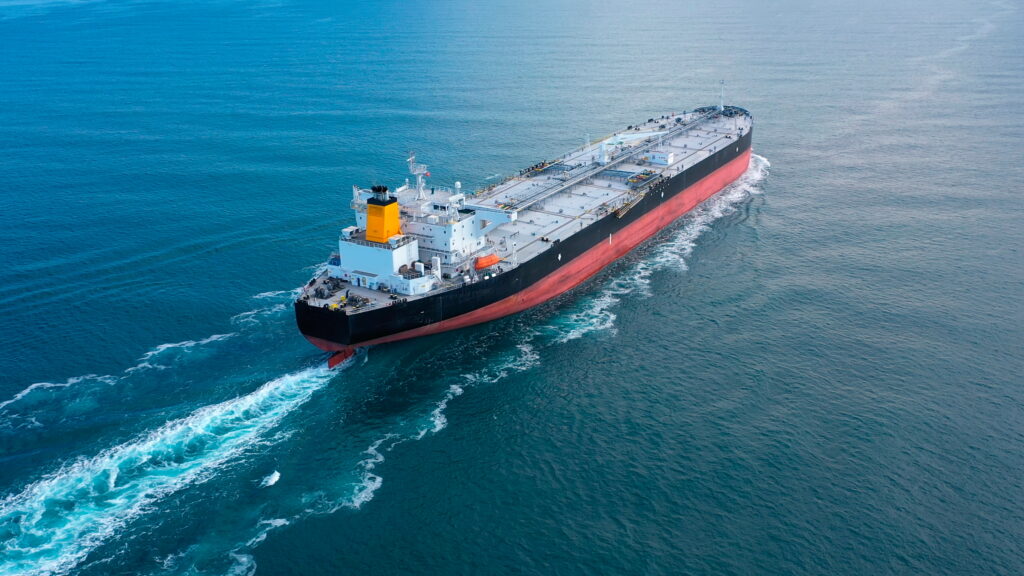
Every time the Middle East conflict intensifies, the same pattern emerges: oil prices rise, markets wobble, the rand becomes vulnerable, and investors begin to feel that doing ‘something’ must be better than doing nothing.
This instinct is powerful. But it is also responsible for many of the worst financial mistakes. In moments like these, fear can create the illusion of wisdom.
Read:
Why 2026 will reward discipline, not drama
The global economy is shifting, but are we ready?
A rushed decision may feel prudent simply because the headlines are unsettling. Yet a frightening environment does not automatically require a dramatic portfolio change. More often, it requires the opposite: a steadier hand.
This does not mean the risk is imaginary – it is real.
The Middle East sits close to one of the most important energy chokepoints in the world.
Roughly a fifth of global oil and petroleum product consumption, more than a quarter of global seaborne oil trade, and about a fifth of global liquefied natural gas trade move through the Strait of Hormuz.
When conflict raises questions about this route, markets react, because the consequences can spread well beyond the region itself.
For South Africans, this matters concretely.
Listen/read:
SA fuel supply stable, but panic buying drives shortages
Fuel and food pressures mount as prospects for rate cuts dim
SA urged to act as conflict risks ‘war on the economy’
We do not feel this only as geopolitics. We feel it through fuel prices, transport costs, imported inflation, pressure on household budgets and tighter financial conditions.
Research has repeatedly shown that energy shocks do not remain confined to oil markets. They spill into broader inflation, weaken real spending power and complicate the task of central banks trying to stabilise prices without harming growth too severely.
ADVERTISEMENT
CONTINUE READING BELOW
In other words, a shock that starts in a shipping lane can end up in your monthly budget and, eventually, in investor behaviour.
Still, the biggest financial threat for most people is usually not the event itself – it is the reaction to it.
Research on investor behaviour has shown that people are prone to costly mistakes when uncertainty rises. They become more reactive, more short-term in their thinking, and more likely to confuse volatility with permanent loss.
This is when investors sell good long-term assets after prices have already fallen, halt monthly contributions because the market feels unsafe, or move too much money into cash just when future returns are becoming more attractive.
The damage often comes not from the shock, but from abandoning a sound process under emotional pressure.
What do people do who make better decisions in times like these?
Usually, nothing dramatic. They return to first principles. They ask whether their long-term goals have changed, not whether the news cycle has.
They ensure their liquidity is sufficient, because an emergency fund prevents forced selling. They stay diversified across asset classes and geographies, because concentration is what turns volatility into real danger.
They keep contributing where appropriate, because lower markets also mean cheaper future returns for long-term buyers. And they rebalance calmly if portfolio weights have drifted too far, rather than tearing up the plan.
ADVERTISEMENT:
CONTINUE READING BELOW
This is the part many investors struggle to accept: good financial planning is not designed for calm periods only.
It is built precisely for seasons when markets are noisy, politics uncertain, and predictions become less reliable. Anyone can feel like a disciplined investor when prices are rising and the world appears orderly.
The true test comes when fear is in the headlines and restraint suddenly feels passive. But restraint is not passivity. In finance, it is often the highest form of judgement.
There is also a deeper lesson here: volatile periods expose the difference between a portfolio and a plan.
A portfolio is just a collection of assets. A plan is a framework for making decisions when emotions are running high.
Investors who do well over time are usually not those who predict every geopolitical turn correctly. They are the ones who refuse to let every geopolitical turn rewrite their behaviour.
Read:
New world disorder: Why SA can no longer be a bystander
What does financial well-being really mean?
Inflation cools and regulation loosens …
The Middle East conflict may continue to unsettle markets. Oil prices may remain volatile, inflation risks may persist, and the rand may continue to fluctuate. All of this is possible – but none of it automatically means your financial plan is flawed.
In fact, this is exactly the kind of environment that a well-built plan is designed to withstand. When the world becomes more reactive, the wisest financial move is often to become less so.
Dr Francois Stofberg is a financial well-being economist at the Efficient Group.
#markets #tremble #discipline #matters #forecasts