
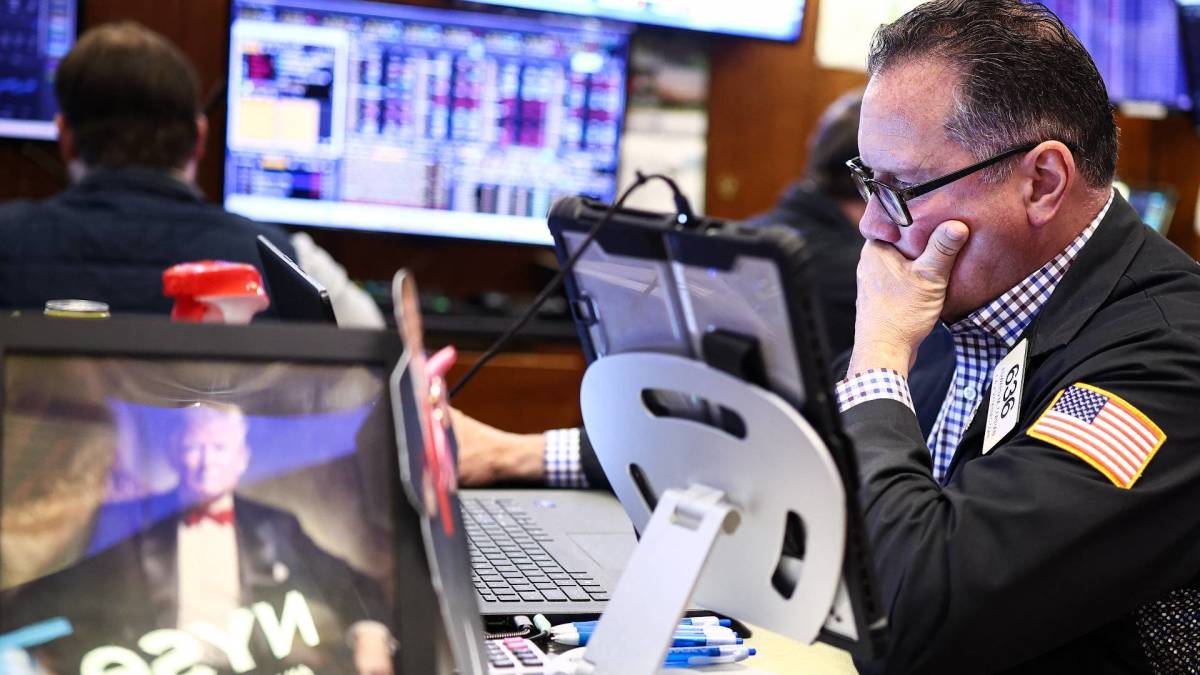
While much of Wall Street has spent 2026 debating how bad things could get, at least one prominent strategist thinks the question itself is wrong.
Ryan Detrick, chief market strategist at Carson Group, said in an April 2 interview on CNBC’s Power Lunch that the U.S. economy is not heading into a recession, despite significant market volatility driven by the ongoing Iran conflict, per CNBC. Detrick pointed to strong corporate fundamentals and what he described as “encouraging technical signals” as the basis for his view.
The call is a direct pushback against the wave of recession warnings that have built up since the U.S.-Iran war began Feb. 28, sending oil prices surging and raising inflation expectations across global markets.
What Carson Group’s Detrick is watching
Detrick’s case rests on several pillars. Corporate earnings have remained resilient, labor markets have remained stable, and broad market participation has held up, a pattern that typically signals a mid-cycle slowdown rather than an outright contraction.
Related: UBS has a message on oil price and the economy
The distinction matters. A mid-cycle slowdown typically involves a temporary deceleration in growth that resolves without a full economic contraction. A recession is a sustained, broad-based decline in economic activity. Detrick’s argument is that the current environment fits the former, not the latter, even with oil-driven inflation pressures complicating the picture.
Carson Group’s proprietary leading economic index has not pointed to a recession at any point over the past three years, even when other widely followed indicators were flashing warning signs, per Carson Group. Entering 2026, the firm’s outlook described the U.S. economy as “growing near trend with no sign of a major slowdown.”
Why recession fear is running hot
The backdrop for Detrick’s remarks is not a calm one. The Iran war has closed the Strait of Hormuz, disrupting roughly 20% of global oil supply and sending energy prices sharply higher. Oil above $100 per barrel raises inflation expectations and reduces the likelihood of Federal Reserve rate cuts, a combination that historically creates headwinds for risk assets and fuels recession fears.
MoreEconomy:
- Goldman Sachs resets oil-price bets as war rages on
- How Fed meeting impacts mortgage rates, housing market
- IMF drops blunt warning on US economy
Market volatility has been elevated since the conflict began. Gold fell more than 11% in March before partially recovering. Equities have whipsawed on every development in the ceasefire negotiations. The mood on Wall Street has shifted meaningfully toward caution since late February.
Detrick has been a consistent voice against that caution. In a March appearance on CNBC, he said the bull market remained intact despite the volatility and pointed to market breadth and sector rotation as evidence that the underlying economy was holding up, per CNBC. In a separate March interview, he noted “a lot more market positives than negatives” even as geopolitical uncertainty rattled investors, per CNBC.
Triballeau/Getty Images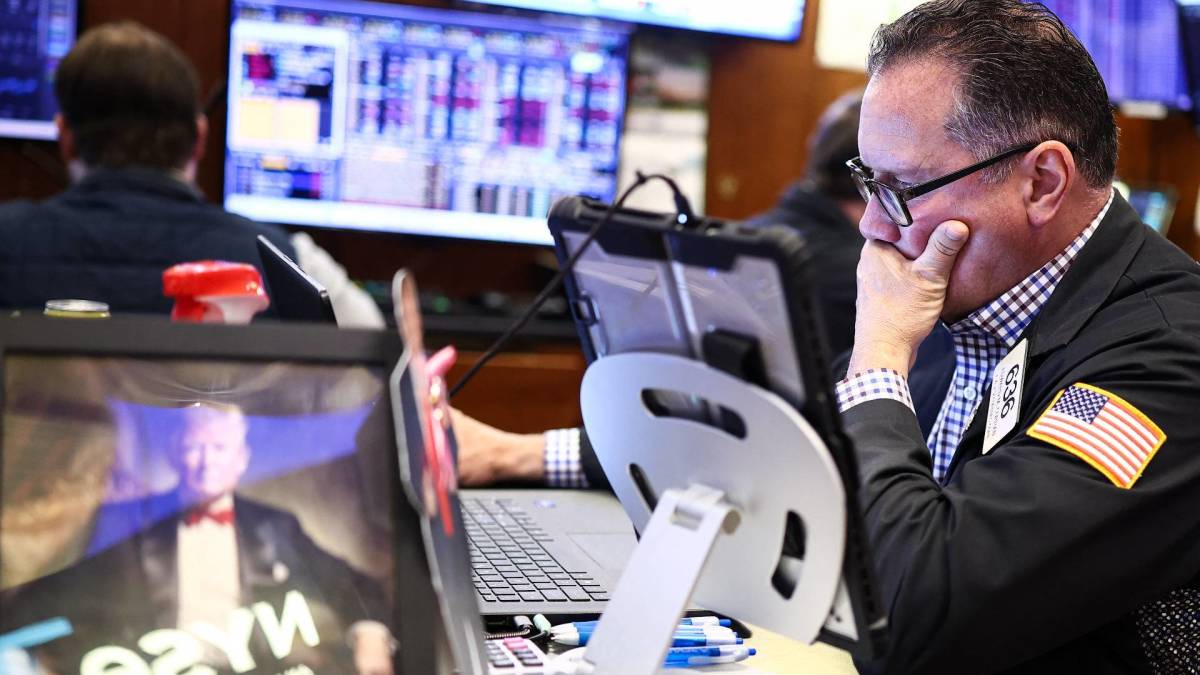
Analyst’s track record worth noting
Detrick’s no-recession calls are not new, and they have a track record. Carson Group’s leading economic index did not flag a recession in 2023, 2024, or 2025, years when recession predictions were widespread on Wall Street. The S&P 500 gained 17.9% in 2025, a year in which the index fell more than 10% in two days following what markets called Liberation Day.
Detrick acknowledged at the start of 2026 that volatility was inevitable even in a positive year.
“At some point during this year, if stocks are down between 10% to 15%, that would be perfectly logical and normal,” he said in December 2025. “And if you’re planning ahead of time for it, you probably won’t make rash decisions with your investments.”
Key pillars of Detrick’s no-recession case:
- Corporate earnings have remained resilient despite geopolitical and cost pressures.
- Labor markets have stayed stable, with no signs of a sharp deterioration in employment
- Broad market participation has held up, a signal associated with mid-cycle slowdowns rather than recessions
- Carson Group’s proprietary leading economic index has not signaled a recession in three years.
- Manufacturing surveys have shown improvement rather than the sustained contraction typical of recessions
What could change the picture to recession
Detrick is not dismissing the risks. The Iran conflict has injected genuine uncertainty into the inflation and rate outlook, and a prolonged closure of the Strait of Hormuz would add sustained pressure to an already complicated picture for the Federal Reserve.
The key variable is whether the energy shock proves temporary or persistent. A diplomatic resolution that reopens shipping lanes and brings oil prices down would remove the primary headwind to the no-recession thesis. A prolonged war that keeps oil elevated and delays Fed rate cuts would test it.
For now, Detrick’s position is that the fundamental data does not support the level of alarm currently priced into markets. The economy, he argues, has handled worse and kept growing.
Related: Moody’s shares blunt opinion on the economy
#Popular #strategist #blunt #recession #message