
Israel launched its largest assault on Lebanon since the start of its invasion, escalating the campaign against Iran-backed Hezbollah even after the US announced a ceasefire in the wider Middle East conflict.
The Israeli military said on Wednesday it targeted more than 100 Hezbollah command centres and military sites within 10 minutes. That included parts of central Beirut, with strikes reported without warning in dense residential and commercial areas across the capital.
Read:
US and Iran agree to ceasefire hours before Trump deadline
Oil and gas prices plunge after US and Iran agree to a ceasefire
JSE jumps 5% and rand over 2% on Trump-Iran ceasefire
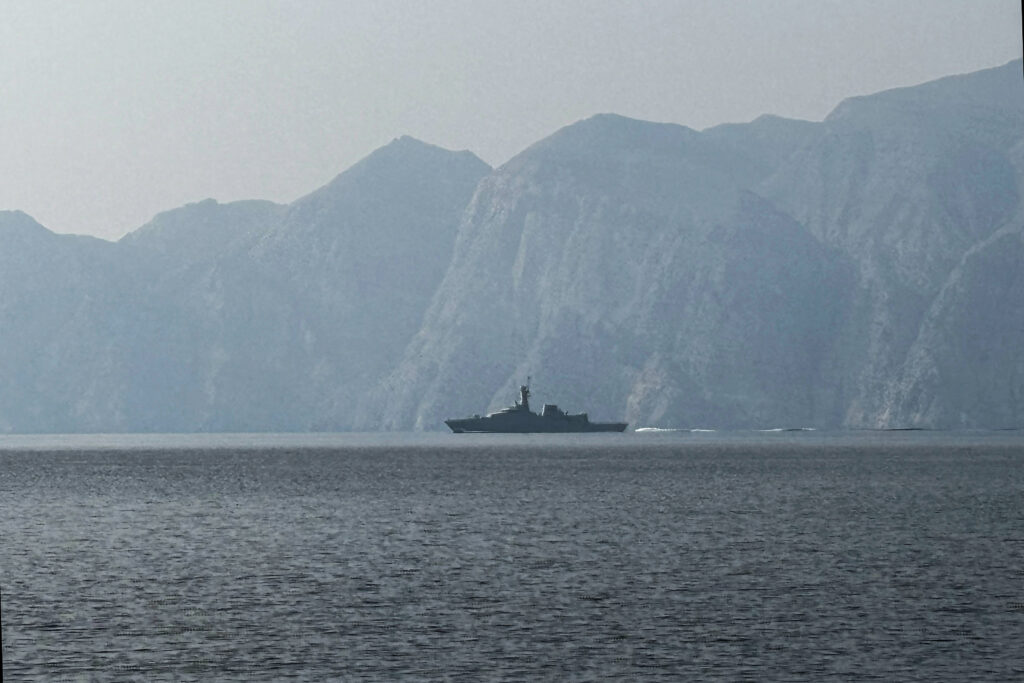
The surge threw the nascent truce between the US and Iran into jeopardy, with Tehran threatening a heavy response and closing the Strait of Hormuz just hours after it said it would allow ships to pass.
Iran could withdraw from the deal announced by US President Donald Trump if Israel’s Lebanon campaign continues, according to the semi-official Tasnim news agency.
Iran had agreed to reopen Hormuz as part of the truce, albeit with coordination from the Islamic Republic’s military. The effective blockage of the waterway has threatened to cause a global energy supply crisis.
Attacks
ADVERTISEMENT
CONTINUE READING BELOW
Israel’s operation caused explosions in Beirut neighbourhoods, while footage on social media showed thick dust and black smoke blanketing parts of the city.
Apartment buildings and busy commercial districts were hit, forcing residents to flee into the streets.
Lebanon Health Minister Rakan Nassereddine said 112 people were killed and hundreds wounded.
About 100 Red Cross ambulances were dispatched to transport casualties to hospitals, and the American University of Beirut Medical Centre issued an urgent call for donors of all blood types as emergency services struggled to cope with the influx of casualties.
Truce lacks clarity on Lebanon
The barrage came after Trump said Washington and Iran had agreed to a two-week ceasefire, though it wasn’t clear if Israel’s campaign in Lebanon was part of the agreement.
Pakistani Prime Minister Shehbaz Sharif, a key mediator, said the truce included Lebanon, but Israeli Prime Minister Benjamin Netanyahu disagreed.
The Israeli army vowed to continue operations against Hezbollah “with determination”. The country began the campaign shortly after the start of the US-Israeli war on Iran on 28 February, after the militant group fired rockets across Israel’s northern border.
ADVERTISEMENT:
CONTINUE READING BELOW
The two sides previously engaged in a full-blown conflict for about two months in 2024, before a tentative ceasefire in November that year.
Tensions were further heightened by gunfire outside the US embassy in Beirut on Wednesday, according to local TV channel LBCI.
Israeli airstrikes in Lebanon have killed over 1 530 people, according to the health ministry, prior to Wednesday’s attacks. The Israeli military said hundreds of Hezbollah fighters have also been killed.
The fighting has displaced more than one million people across the country, nearly a fifth of the population, as Israel aims to establish a security buffer zone up to the Litani River, located roughly 30km from the Israeli border.
Listen/read: Iran ceasefire offers short-term relief, long-term risks remain elevated
© 2026 Bloomberg L.P.
#Strait #Hormuz #closed #Israel #intensifies #strikes #Lebanon