
The global construction industry is typically analyzed through a familiar set of drivers: interest rates, housing demand, infrastructure spending, and labor availability. Together, these forces shape what is widely regarded as a $10 trillion market.
But a more fundamental shift is unfolding beneath the surface, one that many investors have yet to fully price in. It is not about how buildings are financed or how quickly they are constructed. It is about what they are made of.
Why traditional materials are under pressure
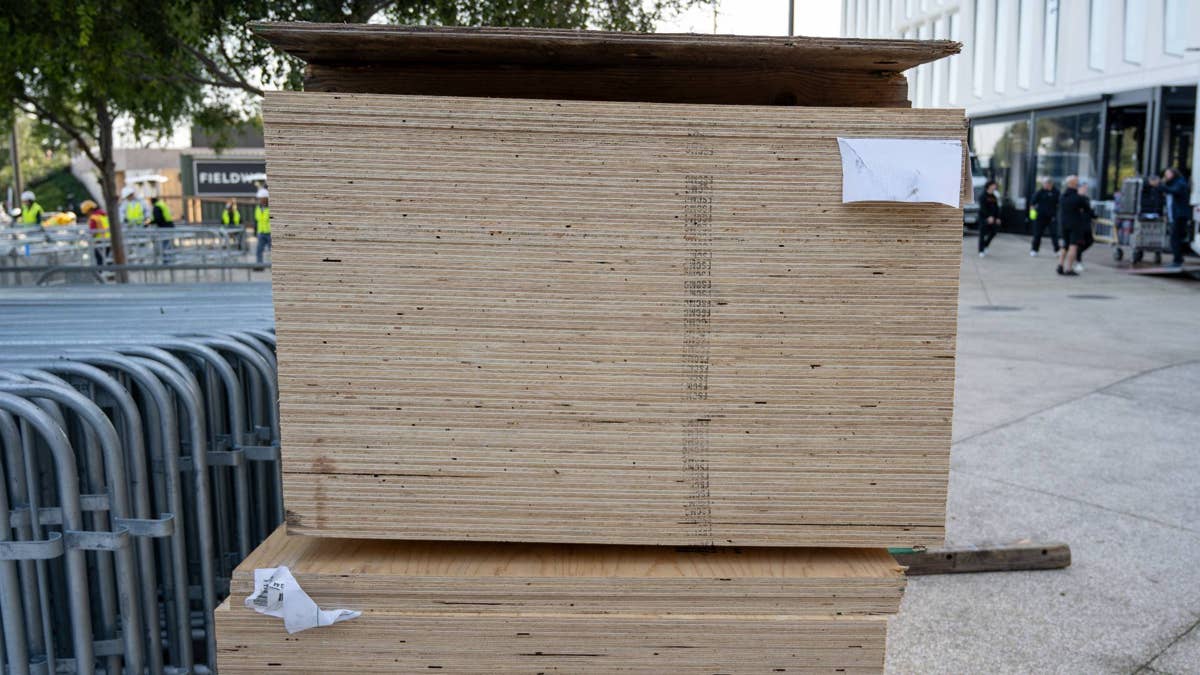
For decades, construction relied on a relatively static mix of materials. Structural sheathing, in particular, has been dominated by legacy products such as plywood and oriented strand board. These materials became industry standards less because they were optimal and more because they were widely available, cost-effective, and supported by stable supply chains.
That stability is now being tested. Geopolitical tensions, tariff volatility, and rising transportation costs are putting pressure on traditional supply chains.
The National Association of Home Builders has flagged that the outlook for lumber pricing in 2026 remains highly uncertain, with combined duties of nearly 45% on softwood lumber imports from Canada adding further unpredictability.
At the same time, builders and manufacturers are still dealing with the long-term effects of pandemic-era price spikes in lumber that have yet to fully reverse.
Related: Dave Ramsey sends strong message on housing market
The Associated General Contractors of America has noted that “price relief in some categories is offset by stubborn inflation in others, making cost-tracking and contingency planning essential tools for contractors entering 2026.” That environment is forcing a fundamental reassessment of materials.
Cost pressures are changing decision-making
The shift in how materials are evaluated is already visible across the industry. Developers and manufacturers are no longer optimizing solely for initial cost. Instead, they are factoring in maintenance, reliability, and lifecycle economics.
“Traditional plywood prices remain roughly a third higher than pre-pandemic levels, and tariff volatility, along with transport costs and geopolitical tensions, are a perfect storm in terms of unpredictability,” Sean Petterson, CEO and co-founder of Supersede, told TheStreet. “What we’re seeing is that procurement teams and project managers are no longer evaluating materials purely on sticker price, but rather on dependability and the total cost of ownership,” he added.
This change in mindset represents a meaningful departure from historical norms. In industries where margins are tight and timelines are critical, predictability is becoming just as valuable as price. Materials that reduce variability, limit rework, and extend product lifespan are gaining attention, particularly in more demanding environments.
From niche use cases to broader adoption
Sectors such as marine manufacturing and recreational vehicles (RVs) have been early indicators of this trend.
In these environments, exposure to moisture, wear, and environmental stress makes material performance immediately visible. Failures are costly and often unavoidable with traditional materials. As a result, these industries have been quicker to experiment with and adopt alternatives that offer greater durability and consistency.
More Real Estate:
- Why selling a home to your child for a dollar can backfire
- Commercial Real Estate Outlook 2026: Analysts See Signs of Recovery
- Redfin says mortgage rates, profits are hitting real estate now
What is changing now is the spillover into mainstream construction. Builders, insurers, and end users are beginning to align around the idea that better materials can reduce long-term risk and improve overall economics. When those incentives converge, adoption tends to accelerate.
This is particularly relevant for modular and prefabricated housing, where precision and repeatability are essential.
The global modular construction market was valued at around $90.3 billion in 2024 and is projected to reach $155.2 billion by 2033. Materials that are consistent and easier to work with at scale can help unlock efficiencies that have historically been difficult to achieve in that segment.
Factors driving materials reassessment across the industry:
- Plywood prices remaining roughly a third above pre-pandemic levels despite recent stabilization
- Combined duties of nearly 45% on Canadian softwood lumber imports adding supply chain uncertainty
- Geopolitical tensions and transport costs making traditional supply chains less predictable
- Growing adoption of modular construction requiring greater material consistency at scale
- Lifecycle cost evaluation replacing upfront price as the primary procurement metric
Smith/Getty Images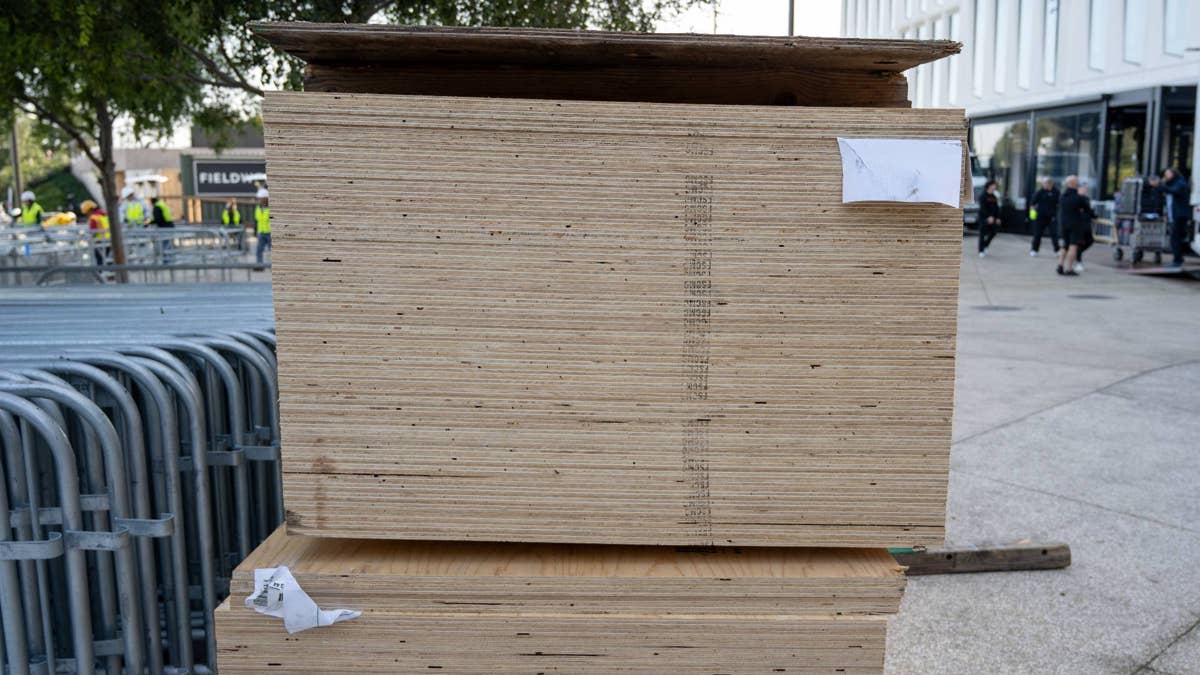
An overlooked investment theme
Despite these developments, building materials remain an underappreciated segment from an investment standpoint.
Much of the attention in construction has focused on high-profile themes such as automation, electrification, and sustainability. Materials innovation, by contrast, has received far less attention, even though it sits at the core of every project.
Wood-based building materials represent a $300 to $500 billion global market, yet the category has attracted a fraction of the venture attention that areas like green concrete have.
Petterson framed the opportunity in terms investors should find familiar.
“When a better product enters a market of that size, adoption doesn’t move linearly,” he said. “It inflects.”
That framing matters. Construction has long been considered slow to change, and for good reason. The cost of failure is high, and the industry has historically favored proven solutions over new ones. But as the risks associated with traditional materials increase and alternatives become cost-competitive, the balance is beginning to shift.
What it means for investors
The key takeaway is that not all transformation in construction will be visible at the surface level. While macro drivers like housing demand and interest rates will continue to dominate headlines, the underlying economics of building are also evolving. Materials are central to that evolution.
Improved materials can reduce costs over time, enhance durability, and enable new construction methods. They can also mitigate some of the risks associated with supply chain disruptions and price volatility. These benefits, while less visible than a new housing development or infrastructure project, have the potential to reshape margins and efficiency across the industry.
In a market as large as global construction, even incremental changes in materials can translate into substantial economic impact. For investors willing to look beyond the usual narratives, this is a shift that is still in its early stages and not yet fully reflected in market expectations.
Related: Redfin sees shift in home prices, housing market
#Investors #missing #key #shift #trillion #market