
Good morning. AstraZeneca’s AI strategy has moved well past the exploration phase as upskilling employees became a priority.
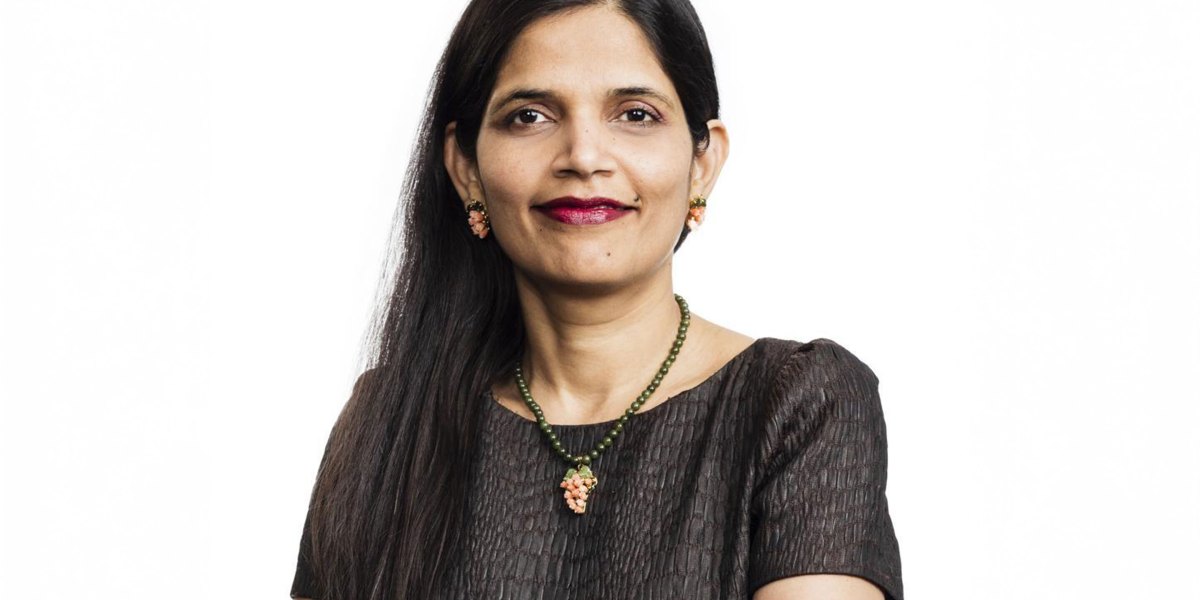
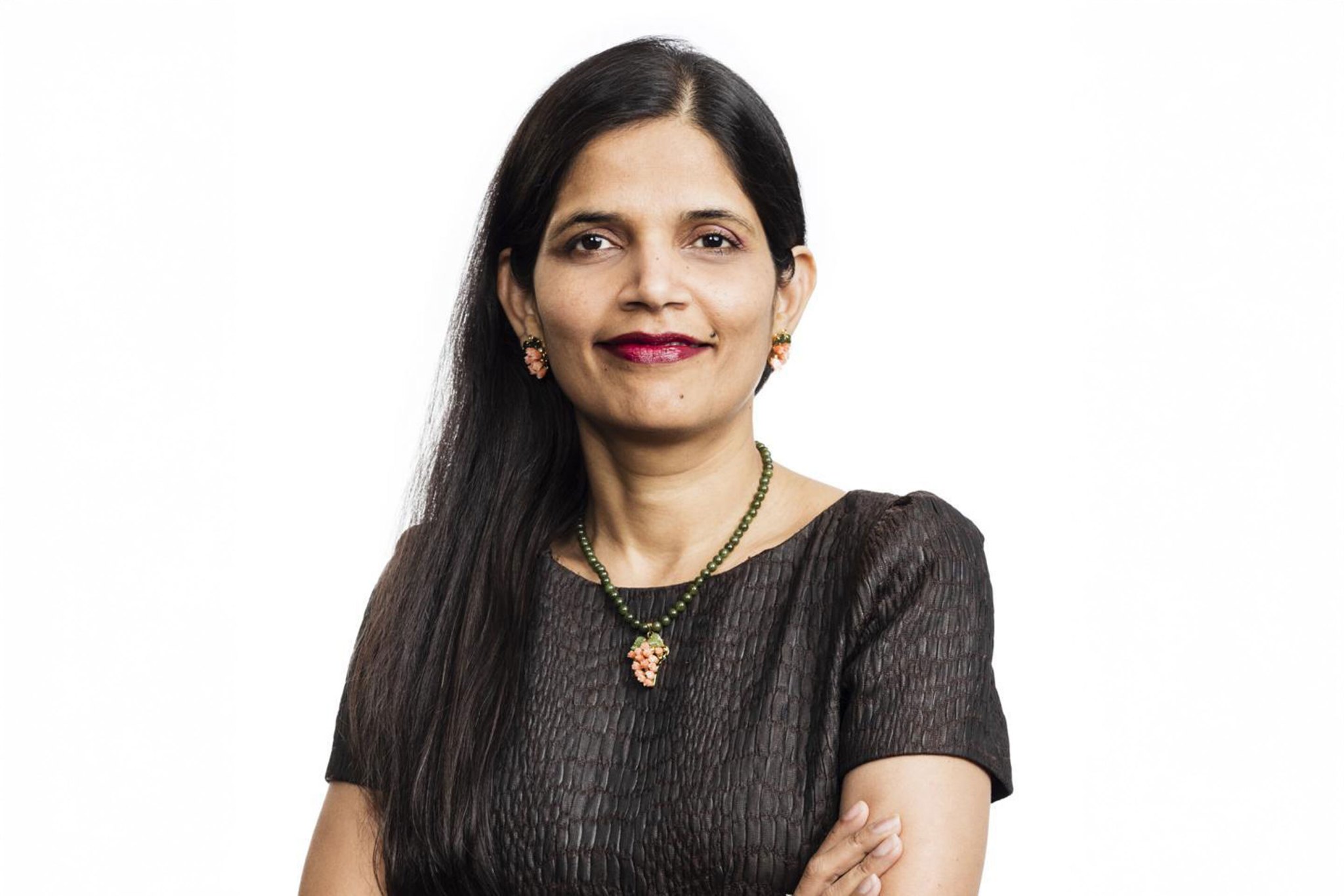
The biopharmaceutical giant has now certified more than 17,000 of its employees in AI competencies, Aradhana Sarin, CFO of AstraZeneca, told me. The program mandates that all staff above a certain grade reach at least a silver-level certification across a Bronze-Silver-Gold framework. Sarin described initial hesitancy giving way to genuine enthusiasm as employees saw the executive team’s commitment reflected in real investment. “I think people are really embracing AI and learning and developing their own skills,” Sarin said.
Where Sarin sees finance playing an immediate and critical role is in prioritization. With approximately 1,000 active AI pilots running across the company, “the value capture happens when you convert those pilots into production and really embed that in the workflow,” she said. Finance can help determine which pilots will have the biggest impact and merit the resources to become scalable. “You need to figure out which ones will truly move the needle,” she said.
AstraZeneca is actively exploring both generative and agentic AI applications as it works to build the operating infrastructure capable of supporting a company that, if its targets hold, will be nearly twice the size it was just a few years ago.
AstraZeneca’s $80 billion road map
AstraZeneca set its $80 billion revenue target for 2030 at an investor event in May 2024, when the consensus analyst estimate for that year sat around $67 billion. Few believed it, Sarin said, describing it as “a very stretch goal at the time.” But leadership could see enough pipeline assets to justify the ambition if those bets paid off.
She frames progress toward that goal around three building blocks. The first is existing products in approved indications, grown across the company’s presence in more than 80 markets.
The second is existing products expanding into new indications—her example was Imfinzi, which generated positive Phase 3 data this quarter in early-stage liver cancer, a setting where the drug is not yet approved. The third block is entirely new molecular entities, of which AstraZeneca expects 20 to reach the market by 2030. So far, the company has nine. It is awaiting FDA decisions on approvals of two more new medicines to add to this total in Q2 2026: camizestrant in breast cancer and baxdrostat in hypertension.
For its Q1, AstraZeneca reported on Wednesday revenue of $15.29 billion, topping Wall Street expectations by roughly $545 million, while operating profit grew 12%—outpacing revenue growth even as the company continued to pour money into research and development. Sarin credited broad-based product momentum for the revenue outperformance. Farxiga, the blockbuster cardiovascular and renal drug, contributed meaningfully to the quarter but will not repeat that performance going forward. The drug lost U.S. patent exclusivity on April 1 and entered China’s volume-based procurement program—both of which will weigh on the cardiovascular, renal, and metabolic portfolio through the rest of the year. AstraZeneca is targeting 25 blockbuster drugs—defined as products generating more than $1 billion in annual revenue—by 2030. It currently has 16.
When asked how she manages macroeconomic and geopolitical volatility—tariffs, presidential executive actions on drug pricing, shifting trade policy—Sarin’s answer was, “With a lot of ice in the stomach.” She described the past few years as a sustained test of corporate resilience: Rather than dwelling on problems, the focus is on identifying solutions and participating constructively in the broader policy ecosystem. The underlying assumption is that uncertainty is permanent—what changes is how prepared a company is to move through it.
Sheryl Estrada
sheryl.estrada@fortune.com
Leaderboard
Rob L. Masson was appointed interim CFO of Fermi Inc. (Nasdaq: FRMI), an AI power startup. Masson’s appointment follows the resignation of Miles Everson as CFO and secretary on April 19. Everson was elected to the company’s board. Masson brings over two decades of experience. He most recently served as CFO of Noble Supply & Logistics, LLC. Masson previously served as CFO and treasurer at Latham Group, Inc., and as EVP and CFO at Hypertherm, Inc. Previously, he served as VP of finance at Flowserve Corporation and held multiple roles at Raytheon Technologies, including, most recently, as CFO of Intelligence, Surveillance and Reconnaissance Systems.
Mark Langer was appointed CFO of Puma SE, a global sportswear company. Langer will succeed Markus Neubrand, who will step down as CFO on April 30, and will leave the company on Sept. 30. Langer brings more than 25 years of experience. Most recently, he served as CFO and member of the managing board at Douglas AG, where he led key transformation initiatives across the finance function. Before that, he spent over 17 years at Hugo Boss AG serving as CEO from 2016 to 2020 and as CFO from 2010 to 2017. Langer began his career at McKinsey & Company and Procter & Gamble.
Big Deal
The Federal Reserve held interest rates steady on Wednesday, leaving the federal funds rate in the range of 3.5% to 3.75% for a third consecutive meeting, which was Jerome Powell’s last meeting as Fed chair. However, there were four dissents among committee members pulling in opposite directions: Stephen Miran voted to cut rates by a quarter percentage point, while Beth Hammack, Neel Kashkari, and Lorie Logan voted to hold but opposed including an easing bias in the statement.
Kevin Warsh, President Trump’s nominee, is expected to take over as chair.
Powell also announced that he will remain on the Fed’s Board of Governors after his term as chair ends May 15, citing what he called “unprecedented” legal attacks on the central bank’s independence, Fortune reported. Powell did not specify how long he would stay, saying only that he would remain until “this investigation is well and truly over, with transparency and finality.” He can technically remain a governor until January 2028.
Going deeper
“CEOs got millions after boards ‘neutralized’ the impact of tariffs. Some won’t say what it was worth” is a Fortune article by Amanda Gerut.
An exclusive analysis found that eight of 22 companies adjusted executive pay for tariff impacts. Some declined to disclose the dollar value of those adjustments. Read more here.
Overheard
“You come into the office expecting a productive, collaborative day. Meetings are scheduled. Work needs to move forward. But you are presented with an immediate challenge: finding a place to sit.”
—Diane Hoskins, global co-chair of Gensler, writes in a Fortune opinion piece titled “Hot-desking was supposed to save money. It may be costing you your culture.” Experiences like this are becoming increasingly common in workplaces designed around unassigned seating, Hoskins writes.
#AstraZenecas #AIcertified #employees #helping #reach #billion #stretch #goal