
Skyrocketing fuel prices are forcing consumers to prioritize essentials. This economic strain is driving a notable shift in behavior, as shoppers increasingly turn to convenience stores (c-stores) for more than just gas and cigarettes.
Have you noticed how convenience-store food no longer consists of mainly hot dogs rolling in grease? Following this crucial change in menu upgrade, c-stores have become major competitors to fast-food restaurants.
“It has been a decades-long journey to go from food that was perceived as desperation to destination,” stated Jeff Lenard, vice president of strategic industry initiatives for the National Association of Convenience Stores.
As inflation and rising fast-food prices have made consumers more value-focused, c-stores have used the opportunity to enhance their menus and grab a part of that market share. This is why chains like Yesway are seeing success in attracting consumers who are swapping their $12 McDonald’s meal for a $6 high-quality burrito or sandwich.
I previously reported on McDonald’s CEO Chris Kempczinski sounding an alarm about new customer behavior. Kempczinski highlighted a “two-tier economy” that’s fundamentally changing how people eat.
The CEO reported a widening gap in the brand’s customer base as low-income traffic plunged by double digits while the $100,000-plus crowd stayed strong.
In the meantime, McDonald’s has launched several value meals, including new $4 breakfast meals and a menu of items at $3 or less. McDonald’s isn’t the only fast-food chain launching value deals recently, so why is Yesway claiming it steals customers from quick-service restaurant chains?
Yesway CEO says convenience store is stealing fast-food consumers
Allsup’s deep-fried burritos and chimichangas are helping its parent company Yesway to attract customers from popular fast-food chains, even amid skyrocketing fuel prices, reported CNBC.
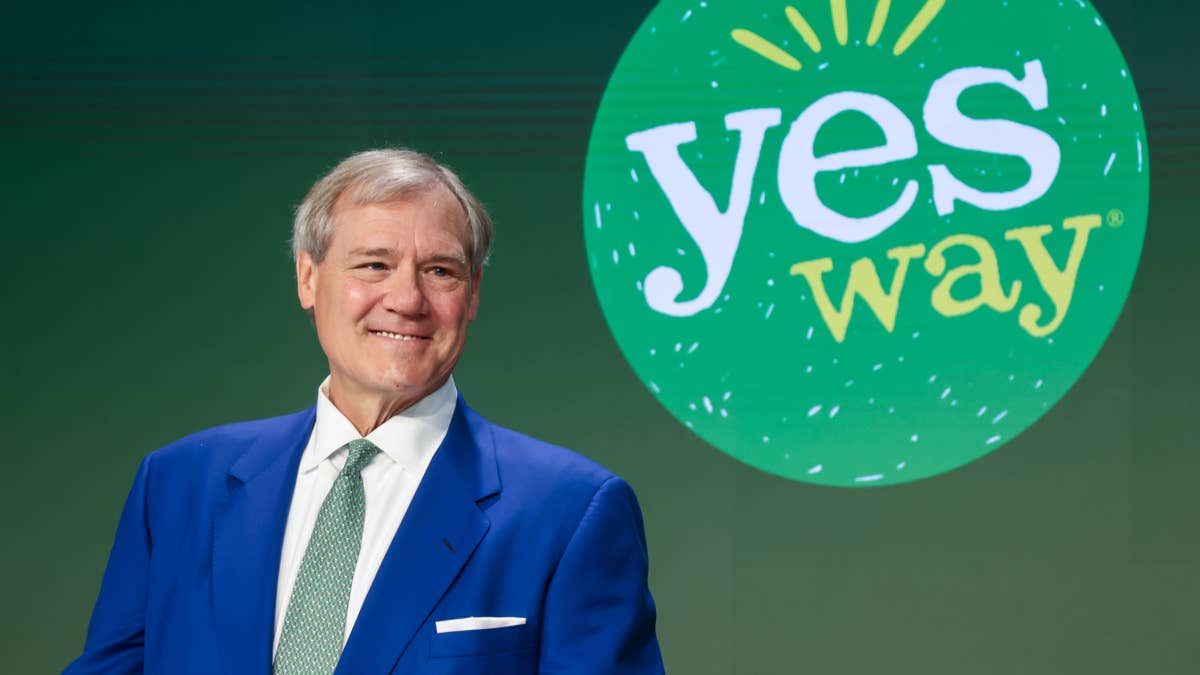
“A lot of the data that we get from our data providers show that our sales are up and some of their competitors’ sales are down. We infer that we are taking some market share, both from other c-store chains and from other [quick-service restaurant chains] that sell food and compete with our burrito platform,” Yesway CEO Tom Trkla told CNBC.
The higher demand for Yesway’s food offerings confirms how the convenience store industry is slowly but steadily endangering fast food’s market dominance.
In 2025, Allsup’s sold about 41 million proprietary food items, including 24 million burritos, the regulatory filing indicated, as reported by CNBC. And while around two-thirds of Yesway’s revenue is sourced from fuel, the items sold inside stores account for the remaining third.
“People come to our stores, not just for fuel, and that helps a lot too in these environments,” Trkla said. “The other thing I should mention is that we’re already a value shop …. We actually are already at the $4, $5, $6 price for our meals, so we’ve actually seen increases of inside merchandise sales.”
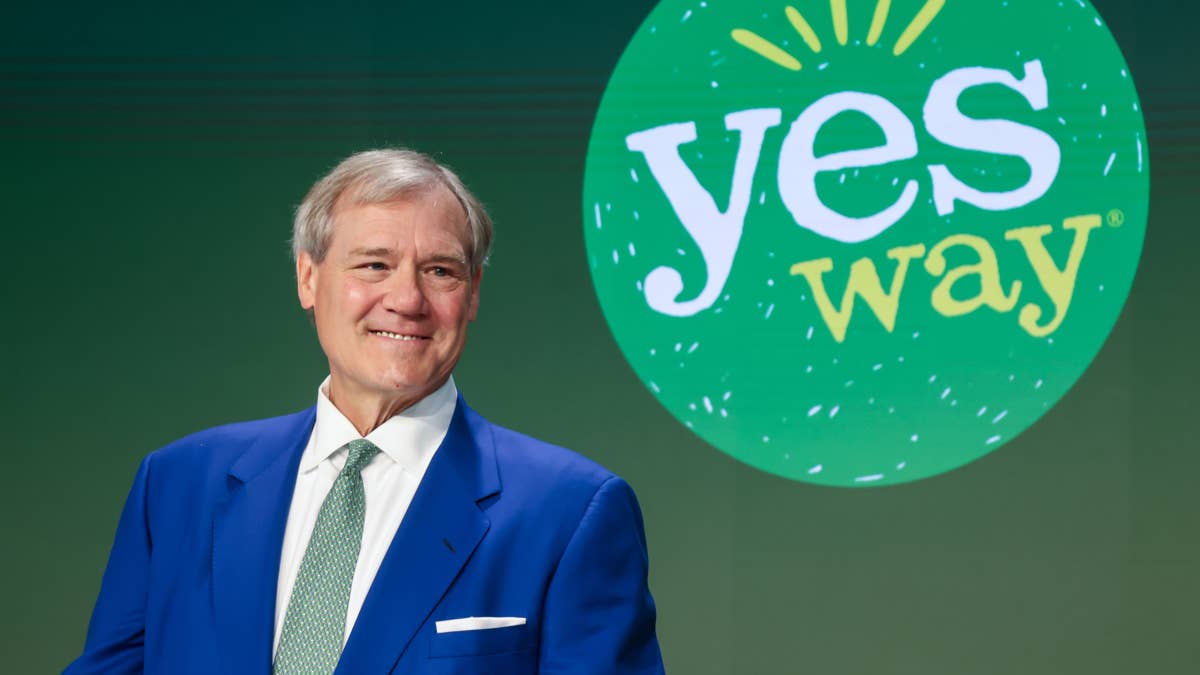
Photo by Bloomberg on Getty Images
Why are c-stores winning over fast-food customers?
Over the last 10 years, c-stores have been grabbing market share from fast-food restaurants, thanks to their fresh food offerings, low prices, and convenience. Examples include Wawa, Buc-ee’s, and Casey’s General Stores, according to CNBC.
Industry data confirm that with the increase in the cost of fuel, consumers spent significantly more on transport but spent less in most other essential categories. “At the same time, in a sign of pressures on budgets, almost a third of consumers (29%) agree that they are only spending on essentials, up from a quarter (25%) in Q4 2025,” reveals Deloitte’s Consumer Tracker Q1 2026 report.
As of late 2025, “72% of consumers now view c-stores as a viable alternative to quick-service restaurants,” a significant rise from 56% in 2024, according to data from NACS.
Additionally, 85% of U.S. shoppers have tried made-to-order food at a convenience store, and hot-meal purchases climbed from 29% in 2024 to 35% in 2025.
Amid tight budgets and high fuel prices, consumers are looking to finish their shopping at one place, not spend more fuel to reach a better burger. They need to refuel and they need to eat, so they are using the opportunity to do both at one place for the best value.
Morning visits to fast-food chains increased by only 1% in the three months ending in July 2025, according to Circana. At the same time, traffic to food-forward c-stores including Wawa, Casey’s, Sheetz, and Buc-ee’s jumped 9% in the same period.
“The morning meal has been their strong suit. Food-forward c-stores are pulling in customers with the right mix of speed, value and variety,” said David Portalatin, Circana’s senior VP and foodservice industry advisor, as reported by MassMarketRetailers.
Consumers are increasingly looking for affordability, and a breakfast sandwich and coffee from a c-store often cost less than a combo meal at a fast-food restaurant. Variety is another important factor. At c-stores, consumers can find energy drinks, protein shakes, yogurt smoothies, and more.
Above all, c-stores have seen the opportunity in the fast-food market and have significantly upgraded the quality of their menu offerings.
More retail:
- Target quietly expands controversial items, winning back customers
- T-Mobile surprises customers with free perks beyond phone plans
- Oreo maker creates controversial milk chocolate bars
- History of Target: Company timeline and facts
Yesway goes public, plans to open 130 stores by 2031
Yesway went public on April 22 in an initial public offering (IPO) that raised about $280 million by selling 14 million shares at $20 each, for a valuation of $1.21 billion. Yesway was backed by private equity firm Brookwood Financial Partners, and it’s now trading on the Nasdaq under the ticker symbol “YSWY.”
The store chain is based in Fort Worth, Texas, and it operates around 448 stores under its name and Allsup’s banner across nine states in the Midwest and Southwest, reported Chain Store Age.
Yesway was founded in 2015 by a real estate-focused private equity firm, Brookwood. Four years later, the company acquired Allsup’s, and by the end of 2025, the company had a total of around 448 locations combined.
The company plans to use the money collected from the offering to repay outstanding debt, according to its S1/A filing with the Securities and Exchange Commission. Additionally, the company plans a huge expansion.
In an updated S1 filing with the SEC in April, the company shared a plan to open 130 new stores by 2031.
Morgan Stanley was acting as lead bookrunning manager for the offering. J.P. Morgan and Goldman Sachs & Co. LLC were acting as active bookrunning managers.
Related: Target partners with viral influencer for an under $40 fashion line
#McDonalds #newest #rival #isn039t #restaurant