
For seven years, Catalina Corona held one of the most important roles in a wealthy couple’s household, managing their bills, booking their travel, and keeping their daily lives on schedule. She was their personal assistant, the person they trusted with access to their bank accounts, checkbooks, and personal routines.
What Richard and Priscilla Schmeelk did not know was that Corona was quietly writing hundreds of checks to herself from their accounts. Richard Schmeelk was not a typical retiree. He spent 40 years at Salomon Brothers, served on the firm’s executive committee, and later co-founded CAI Managers, a merchant banking firm.
He was a World War II veteran, a member of President Donald Trump’s Mar-a-Lago club, and a papal knight. The scheme only unraveled when a bank flagged a single suspicious $1,500 check in April 2024, nearly two years after Richard’s death.
By then, prosecutors say Corona had siphoned close to $10 million, and the fallout offers hard lessons for every family with aging parents managing significant financial assets.
Corona pleaded guilty to wire fraud after forging checks for seven years
Corona, 62, of Queens, New York, pleaded guilty to wire fraud on April 8, 2026, before U.S. District Judge Nicholas G. Garaufis in Brooklyn federal court. She faces a maximum sentence of 30 years in prison along with restitution and fines, according to the U.S. Attorney’s Office for the Eastern District of New York.
Between 2017 and 2024, Corona repeatedly deposited hundreds of checks written out to “Cash” from the Schmeelks’ bank accounts and made those checks payable to herself, federal prosecutors said. She also forged the couple’s signatures on additional checks to pay off her personal credit card balances over the full seven-year period.
“Today’s guilty plea means the defendant has been held accountable for a calculated scheme that siphoned nearly $10 million from the very employers who trusted her,” U.S. Attorney Joseph Nocella, Jr. stated in a press release from the Eastern District of New York.
Nearly $10 million went to luxury goods, airline travel, and credit card debt
The scale of Corona’s spending paints a picture you should understand if anyone in your household manages finances for an ageing relative. Corona spent more than $1 million on Louis Vuitton products alone, including luggage, purses, and clothing, according to Brooklyn federal prosecutors.
She also purchased Cartier and Gucci merchandise, spent over $25,000 on airline travel in a single day, and used the rest to pay down personal credit card debt. If your parents have a caregiver or financial assistant with direct access to their bank accounts, this case should prompt you to reconsider how much unsupervised access they have.
A $1,500 check raised the red flag that exposed the entire scheme
The fraud collapsed in April 2024 when the Schmeelks’ bank flagged a suspicious $1,500 check made out to “Cash,” according to federal charging documents. When bank employees contacted Priscilla Schmeelk, she told them she never wrote checks to cash and had no knowledge of the transaction.
Bank staff then informed Priscilla that they had received multiple prior checks from the couple’s accounts made out to cash, a pattern that continued undetected for years. The discovery triggered a federal investigation led by the FBI’s New York Field Office, and Corona was indicted in March 2025 on wire fraud, bank fraud, and aggravated identity theft charges.
“Today’s guilty plea means the defendant has been held accountable for a calculated scheme that siphoned nearly $10 million from the very employers who trusted her,”—Joseph Nocella, Jr. (United States Attorney for the Eastern District of New York.)
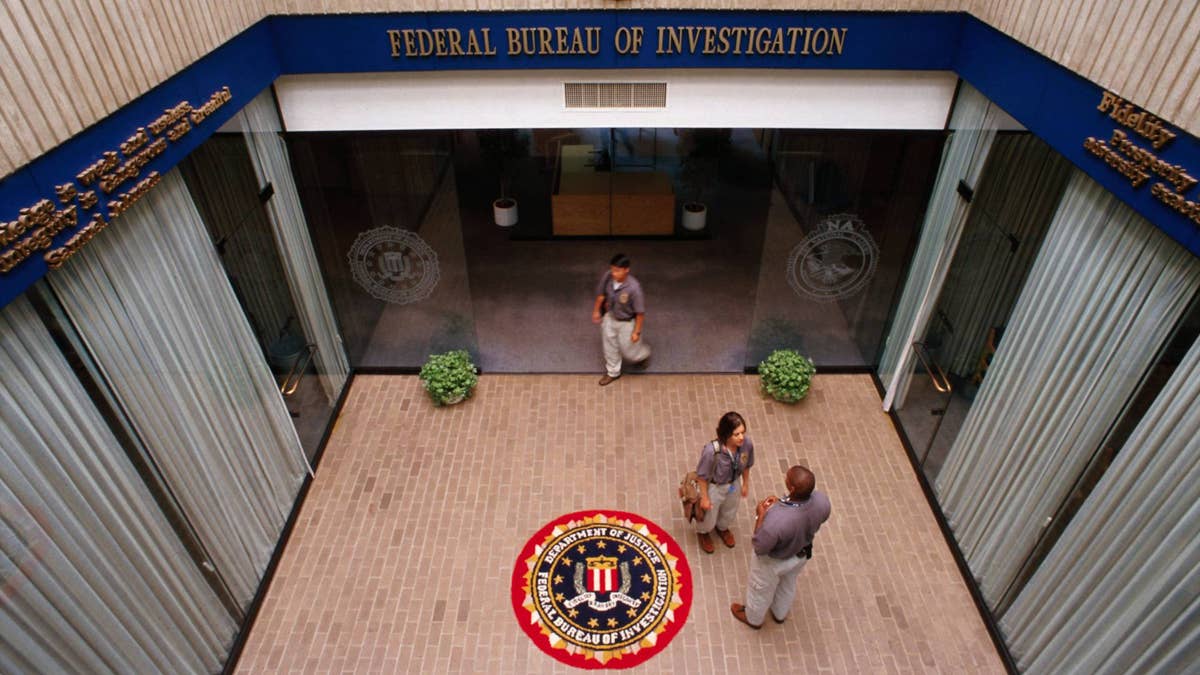
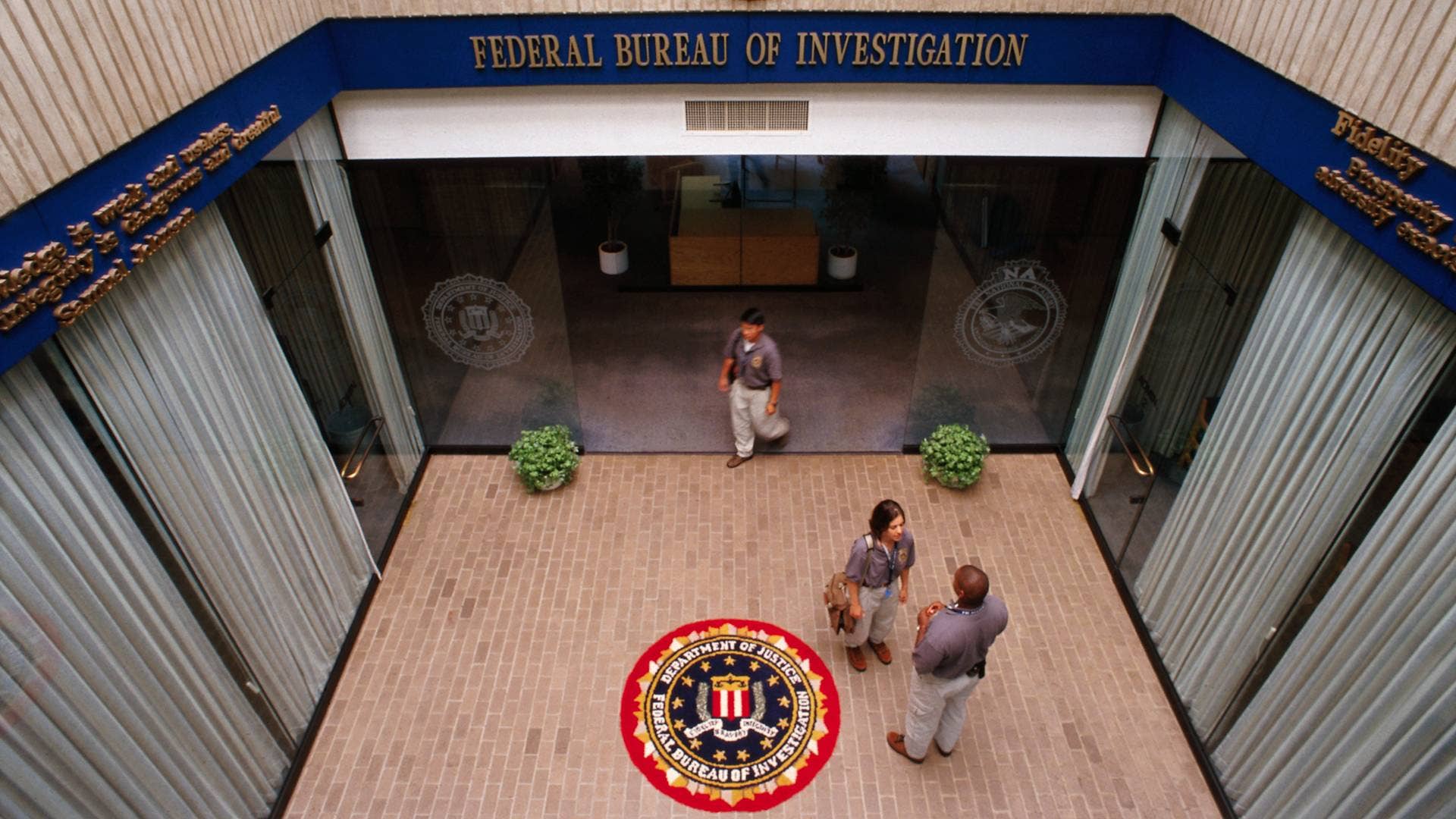
“Catalina Corona stole nearly $10 million from an elderly couple who entrusted her with their care to fund her lavish shopping habits,” FBI Assistant Director in Charge James C. Barnacle, Jr. stated in a press release from the U.S. Attorney’s Office for the Eastern District of New York.
Anna Clopet/Getty Images
The Schmeelks were defrauded in a nearly identical scheme decades earlier
One of the most troubling details in this case is that Richard Schmeelk was victimized by a strikingly similar scheme in the 1990s. His personal executive secretary, Bebe Fazia Laljie, diverted checks Schmeelk had signed and used the funds to pay her own personal expenses.
Laljie was convicted of multiple counts of mail and bank fraud in 1998 at a Manhattan federal court, in a trial period presided over by then District Judge Sonia Sotomayor now a Justice of the U.S supreme court.
That earlier fraud cost the Schmeelks approximately $500,000, a fraction of what Corona eventually stole over a longer timeframe. The fact that the same household fell victim to the same type of fraud twice underscores a difficult reality about trust and oversight.
Even sophisticated, wealthy individuals can become repeat targets when structural protections around their accounts do not change.
More Social Security:
- AARP raises a red flag on Social Security, Medicare
- Dave Ramsey warns Americans on Social Security, 401(k)s
- Dave Ramsey warns of big Social Security problem
If your family has experienced any form of financial exploitation in the past, the lesson here is direct and worth repeating clearly to everyone.
You need to reassess every layer of access that household employees, caregivers, or assistants have to bank accounts, checkbooks, and financial records. Dual-signature requirements, regular third-party audits, and limited check-writing authority are simple measures that could have prevented this second fraud entirely.
Richard Schmeelk died in 2022 at the age of 97, meaning he lived his final years unaware that his accounts were being systematically drained. Corona continued the scheme for nearly two additional years after his death, exploiting Priscilla’s continued trust and reliance on her daily assistance.
The timeline reveals how isolation and dependency can create the conditions for prolonged financial abuse of elderly Americans.
Elder financial fraud losses exceeded $7.7 billion in 2025, the FBI reports
This case fits into a national pattern that should concern you, especially if you have aging parents or relatives managing significant financial assets. Over 201,000 victims aged 60 and older reported losses exceeding $7.7 billion to the FBI’s Internet Crime Complaint Center in 2025, representing a 37% increase over 2024, according to the FBI’s IC3 report.
The average loss for victims in this age group exceeded $38,000, and more than 12,000 elderly victims each lost over $100,000, the FBI reported. From 2020 to 2024, reported losses among Americans aged 60 and above jumped 300%, from $600 million to $2.4 billion, according to the Federal Trade Commission.
Fraud by trusted insiders such as caregivers, family members, and household employees remains one of the hardest categories to detect early. The Consumer Financial Protection Bureau notes that financial institutions are often the first to notice suspicious activity, which is precisely what happened here.
5 steps to protect aging family members from financial exploitation
These are the safeguards financial regulators and elder fraud experts recommend for families with aging members who rely on household staff.
- Step 1: Require dual signatures on all checks above a set threshold. Setting a dollar limit above which two authorized signers must approve a check is one of the simplest fraud-prevention measures available to you.
- Step 2: Add a trusted contact to every brokerage and bank account. FINRA requires brokerages to make a reasonable effort to add a trusted contact to customer accounts, thereby authorizing the institution to alert a designated person if exploitation is suspected.
- Step 3:Review bank statements monthly and flag checks made out to cash. Corona wrote hundreds of checks to “Cash” over seven years, and none were questioned until a bank employee happened to flag just one.
- Step 4:Conduct background checks on all household employees with access to finances. Before hiring anyone who will handle finances, run a thorough background check, including criminal history, credit reports, and professional references from previous employers.
- Step 5:Report suspected elder financial abuse immediately. File reports with your state’s Adult Protective Services, the FBI’s Internet Crime Complaint Center at ic3.gov, or the National Elder Fraud Hotline at 833-FRAUD-11.
Corona’s sentencing could send a clear message about accountability for insider fraud
Corona’s sentencing date has been set as July 23, 2026, and she faces up to 30 years in federal prison, along with restitution and fines. The case is being prosecuted by Assistant U.S. Attorney Rebecca M. Urquiola in the Eastern District of New York.
For families with elderly members who depend on household staff for daily financial management, the Schmeelk case is a painful but instructive example. Trust is not a substitute for oversight, and the people closest to your family’s money deserve the most scrutiny, not the least.
The Financial Exploitation Prevention Act, currently pending in Congress, would allow certain financial institutions to delay executing suspicious transactions linked to elder exploitation, CNBC reported.
If you want stronger protections for aging Americans, contacting your representatives about supporting this legislation is one concrete step you can take today.
Related: The sectors Wall Street is quietly rotating into now
#Salomon #Brothers #retiree #betrayed #million #scheme