
The latest wave of new Fortune 500 CEOs points to a clear boardroom priority: executives who can execute immediately.
Dow, Apple, Best Buy, and Lululemon all announced succession moves over the last few weeks, offering a compressed view of how boards are recalibrating leadership for 2026. The pattern is striking. Between Apple’s John Ternus, Best Buy’s Jason Bonfig, and Dow’s Karen Carter, the successors bring a combined 80-plus years of internal experience, suggesting that the boardroom premium has shifted toward executives who understand how the company works, where decisions get stuck, which internal relationships matter, and how to push major changes through without wasting time on a three-month listening tour.
After CEO departures hit an eight-year high in 2025, boards leaned heavily on internal leadership benches. Russell Reynolds put internal appointments at 68% globally in 2025 and 73% in APAC, while Spencer Stuart found that 60% of S&P 1500 CEO appointments were internal.
This is the rise of the “lifer-integrator,” the newly favored CEO profile for a volatile operating environment. The model combines long tenure within one company with the credibility and executional reach to turn AI adoption, supply-chain redesign, automation, or capital-allocation priorities into enterprise-wide change.
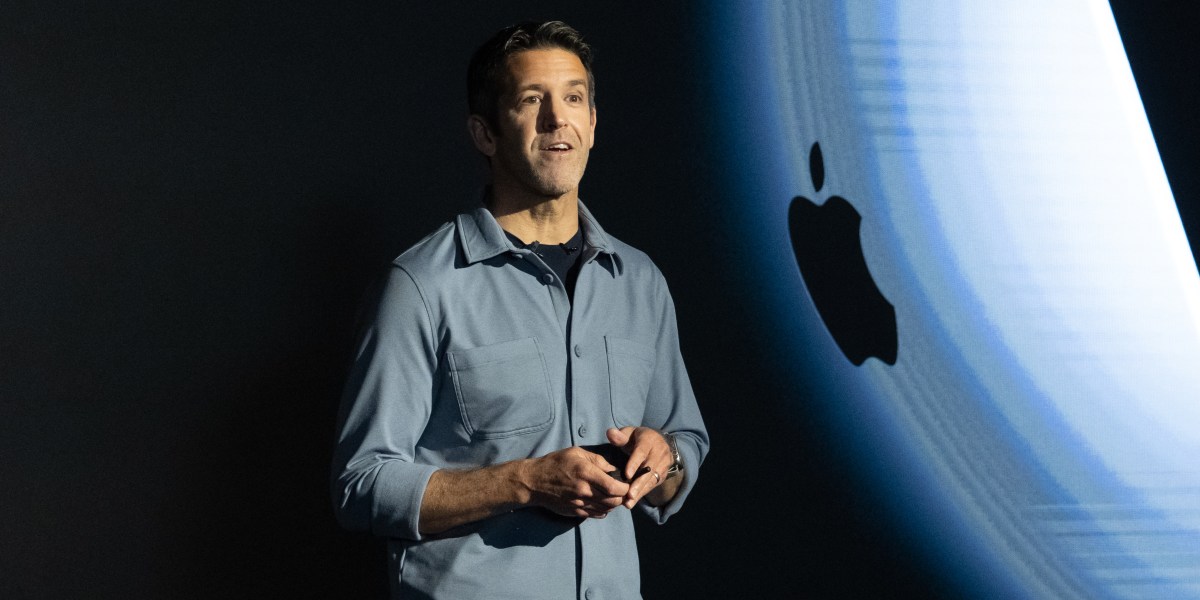
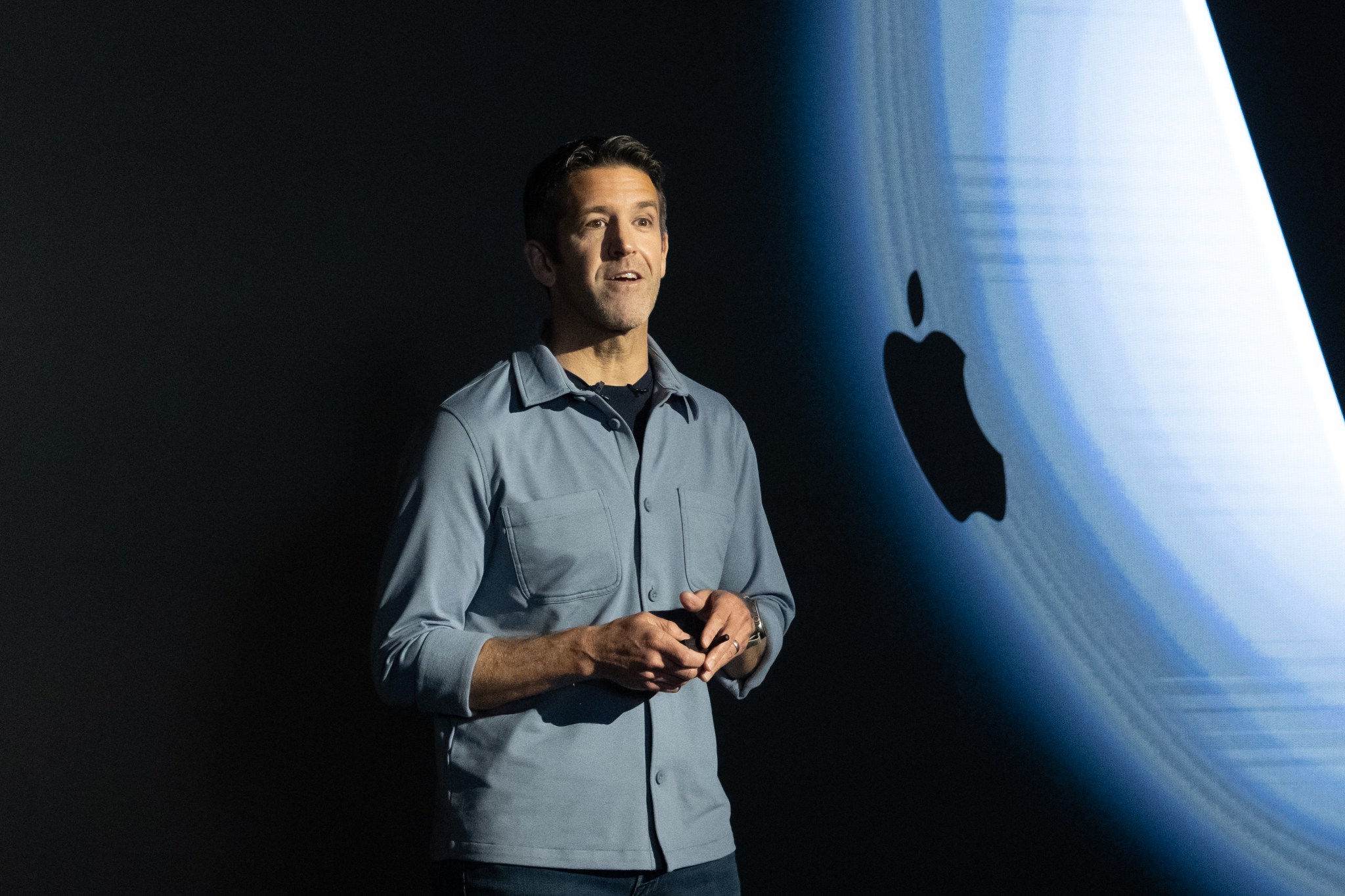
Ternus is among the clearest examples. Apple’s next chapter depends on integrating custom chips, devices, AI features, and product ecosystems, and he has led the hardware organization at the center of that platform. Such leaders know the machinery from the inside and have had a hand in building the systems that now need to scale and adapt to what’s next. AI has only intensified this preference.
That raises the bar for external candidates. Many internal contenders already have breadth, built across functions, geographies, products, and market cycles inside a single company. The tougher question for an outside hire is what portable capability they bring that the internal bench cannot supply. Lululemon shows where the external route still has force. Incoming CEO Heidi O’Neill oversaw Nike’s global consumer, product, and brand organization. That maps directly onto Lululemon’s current pressure points, with weaker U.S. sales, rising competition from Alo Yoga and Vuori, product missteps, founder pressure, and activist scrutiny. Lululemon wants Nike’s global sportswear machinery, including faster product cycles, sharper merchandising, broader category expansion, and a stronger link between brand heat and international growth.
Still, less than halfway through 2026, the next Fortune 500 CEO class is beginning to look like a referendum on experience earned inside the building.
Ruth Umoh
ruth.umoh@fortune.com
Smarter in seconds
Runfluencer. A top Blackstone executive is becoming an unlikely LinkedIn star thanks to his running videos
Weekend warrior. Craving work-life balance is a huge red flag, says Fortune 500 Europe CEO—and like Barack Obama, he happily works through weekends
Stress signal. Meta executive says he gets stressed only five times a year and that it’s actually ‘a useful signal’
Leadership lesson
Bloom Energy CEO K.R. Sridhar on the best advice he received during a rough patch at the company: “Go to the floor and engage with the people, and learn from them what’s not working for them.”
News to know
The acting Attorney General said Sunday that the accused correspondents’ dinner gunman was likely targeting Trump and other senior officials. Fortune
John Ternus inherits a stronger China business but also pressure from Washington, Beijing, and less brand-loyal Chinese consumers. Fortune
Tech layoffs have topped 90,000 this year, but companies like Microsoft are using voluntary buyouts to cut costs with less disruption and reputational blowback. Fortune
A Times examination found that Elon Musk has drawn on his rocket company, SpaceX, for loans and financial support that benefited his other businesses. NYT
Ford CEO Jim Farley warned that automakers face three converging pressures that could threaten the industry’s survival. Fortune
OpenAI has poached several senior executives from Salesforce, Snowflake, and Palantir in recent weeks. CNBC
Meta employees are bracing for pending layoffs, describing the waiting period as “28 days of hell.” BI
Google plans to invest up to $40 billion in Anthropic to help the AI lab expand the computing power needed to run its models. FT
#Fortune #CEO #succession #season #belongs #company #veteran