
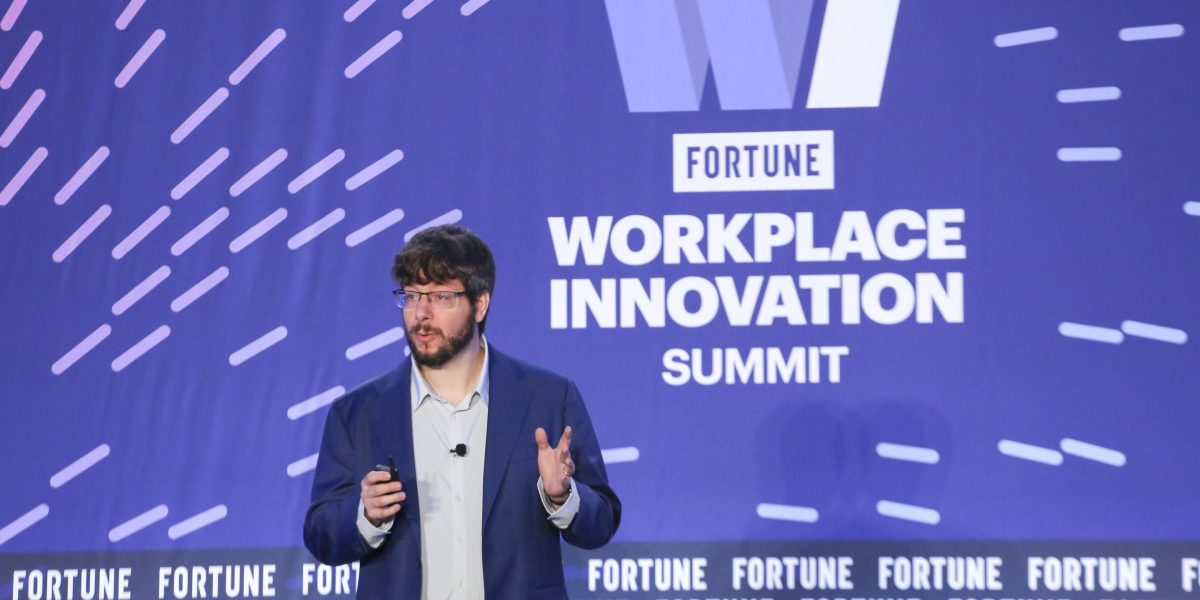
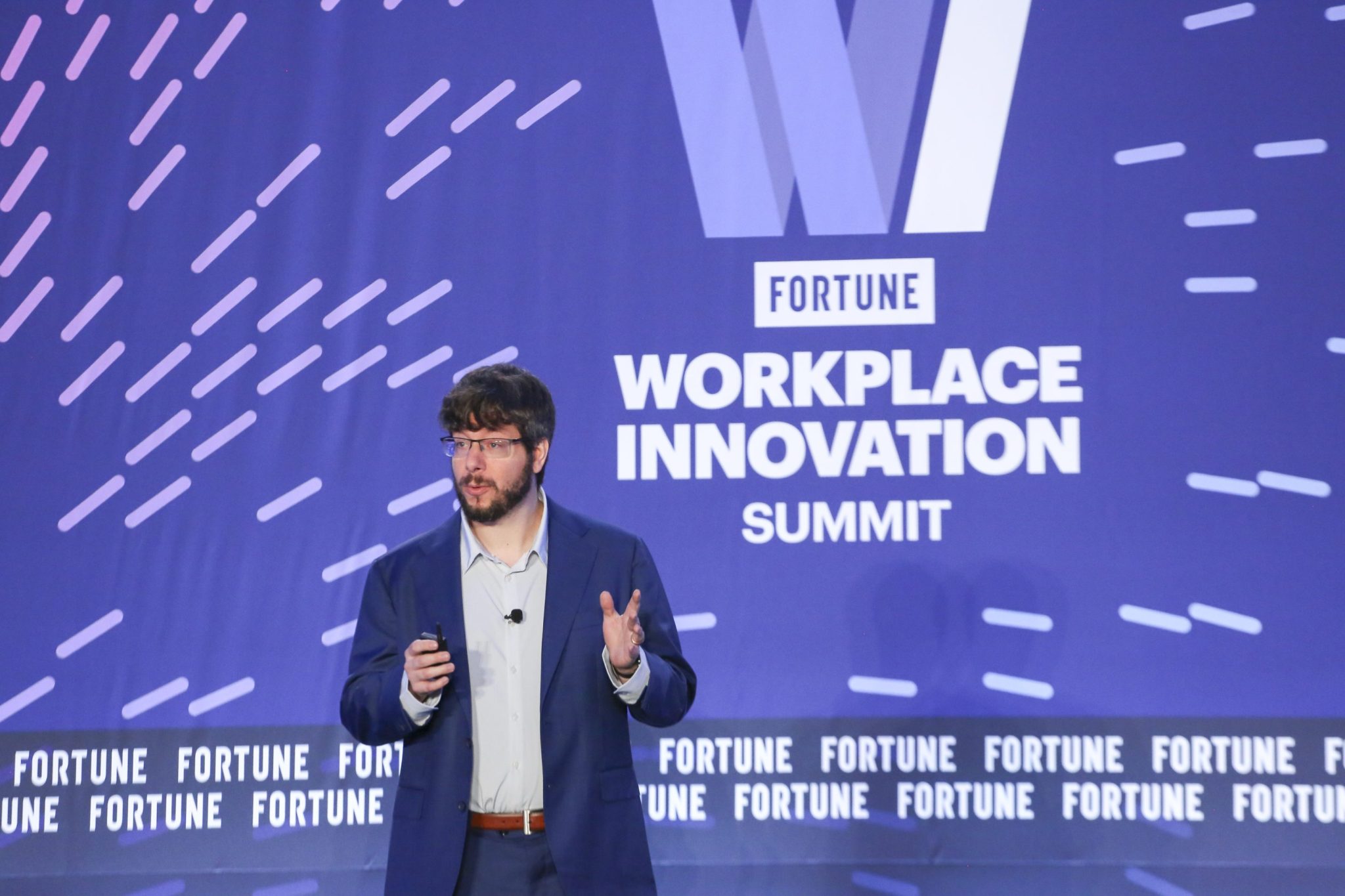
A “proudly autistic” clinical psychologist, author, and workplace advocate, Wendler has spent his career arguing that most companies aren’t failing their neurodivergent employees out of malice — they’re doing it by default.
“Because most people are neurotypical, organizations are designed according to neurotypical needs, which means that people with neurodivergent needs get left out,” Wendler said May 20 at Fortune’s Workplace Innovation Summit.
His go-to illustration: imagine taking a polar bear — an apex predator, unrivaled on Arctic ice — and dropping it in Austin, Texas. The animal doesn’t suddenly become less capable. It’s just been placed in an environment that wasn’t built for it. Neurodivergent workers, he argues, are that polar bear every time they walk into a standard open-plan office.
“This is the exact same principle that explains how we can unlock the talent of the neurodivergent team members within our organization,” he said.
The stakes are significant. Around 20% of U.S. adults identify as neurodivergent — a category that includes people on the autism spectrum, those with ADHD, dyslexia, and a range of other conditions. Yet a 2025 EY survey of more than 2,100 workers found that only 25% of neurodivergent employees feel included at work — and 39% said they planned to leave their jobs within the year.
The same report found that 18% of neurodivergent respondents qualified as “suppressed talents”: highly skilled workers unable to perform at their potential because of structural workplace mismatches, not personal shortcomings.
A 2023 Accenture report found companies leading on disability inclusion saw revenues and profits grow faster than peers, and were 25% more likely to outperform on productivity metrics.
Wendler says the fix doesn’t require reinventing the workplace from scratch. Universal design — accommodations first built for one group that end up benefiting everyone — is already all around us. Sloped curb cuts were built for wheelchair users. Closed captions were built for deaf audiences. Both are now used by millions of people who don’t identify as disabled.
Companies including JP Morgan and Microsoft have already moved in this direction, implementing specialized onboarding, adjustable lighting, and quiet zones. Wendler argues the business case for others to follow is straightforward.
“If your company becomes a leader in this area, you’ll immediately leapfrog over two-thirds of your competitors,” he said, “and you gain a durable competitive advantage in attracting the kind of talent that is looking for a place where they can make the best of their time.”
The next time a team member is struggling, Wendler says managers should resist the instinct to question motivation or fit.
“You need to ask: are they a polar bear in the desert?”
#Companies #neurodivergent #workers #struggling #succeed #leave #performance #table