
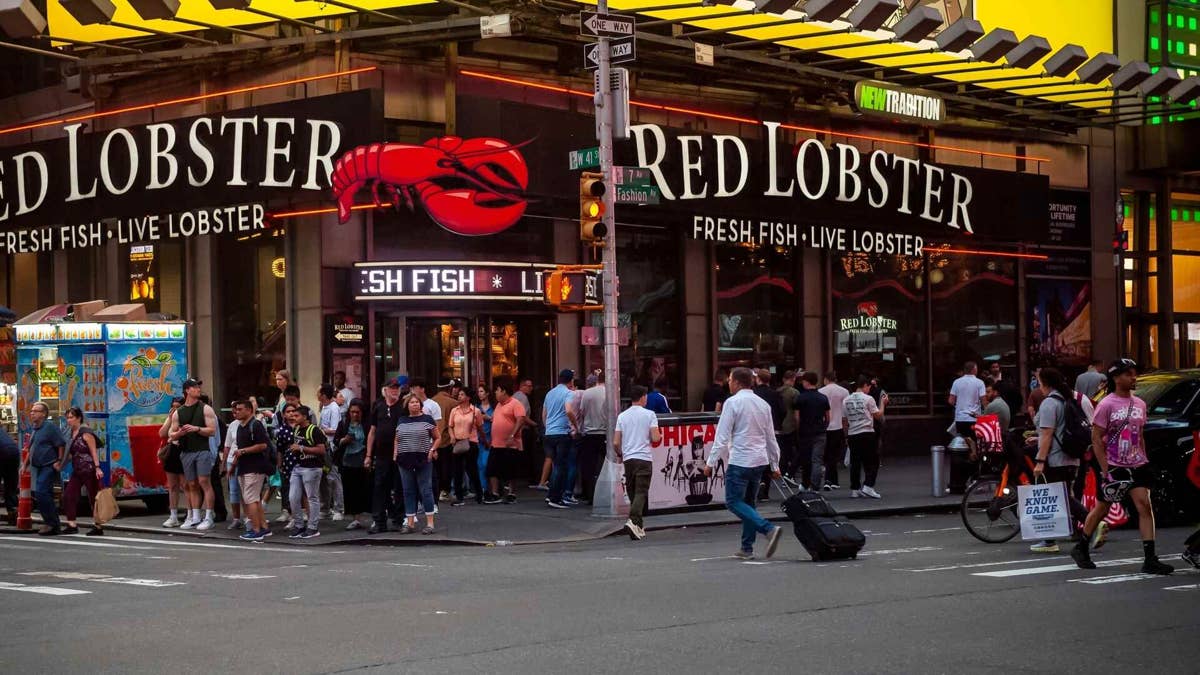
Chapter 11 bankruptcy allows a retailer or restaurant operator to shed bad leases, make deals with vendors, and either extend or negotiate down some of its debts.
A filing, however, cannot address underlying demand problems. In some cases, shedding debt and closing underperforming locations leads to a healthier business.
In other cases, however, a company that emerges from Chapter 11 bankruptcy still has all the problems that led to its filing in the first place. That can lead to more closures, continued struggles, and sometimes a second bankruptcy filing.
Red Lobster, which filed for Chapter 11 bankruptcy in May, 2024, emerged from the process in December of that same year, according to documents filed on PacerMonitor.
Now, roughly two years after filing for Chapter 11 bankruptcy protection, the chain has continued to close restaurants, and industry analysts question whether the chain has a viable path forward.
Red Lobster got a lot smaller
When it first filed for Chapter 11 bankruptcy protection, Red Lobster closed 99 locations in 28 states, according to USA Today.
The company shared a statement from its then-CEO, Jonathan Tibus, at the time of the filing.
“Recently, the debtors have faced a number of financial and operational challenges, including a difficult macroeconomic environment, a bloated and underperforming restaurant footprint, failed or ill-advised strategic initiatives, and increased competition within the restaurant industry,” Tibus said in the bankruptcy document.
While under Chapter 11 bankruptcy protection, the company closed roughly 50 more locations.
Red Lobster has not fixed its finances
Red Lobster CEO Damola Adamolekun has a successful pedigree, having turned around P.F. Chang’s.
“In 2021, a year after Adamolekun became CEO, P.F. Chang’s revenue rose to $922 million from $601 million, according to research and consulting firm Technomic’s Top 500 Chain Restaurant Report.
He has, at least so far, not been able to deliver the same quick turnaround at Red Lobster.
“Sales haven’t returned to prebankruptcy levels, and in many restaurants’ nautical-themed dining rooms, big upgrades are needed. Red Lobster ideally would be operating dozens fewer restaurants to concentrate on its best-performing ones, according to people familiar with the company’s discussions,” The Wall Street Journal reported, citing comments from Adamolekun.
Red Lobster, as of March, has lost money in four of its last five quarters, according to Bloomberg.
“Even in the best of times, turning around a chain like Red Lobster isn’t easy,” David Henkes, senior principal at industry researcher Technomic, told Bloomberg. “They could be doing everything right, but it’s still a tough time for casual dining.”
That’s at least partially why Adamolekun thinks the chain needs to keep getting smaller.
Red Lobster closes more restaurants
Adamolekun has been bold in his claims, but also realistic about the challenge facing Red Lobster.
“I think this can be the greatest comeback in the history of the restaurant industry,” he told Fortune’s Ruth Umoh in a late 2025 CEO Playbook vodcast. “To lead that would be a once-in-a-lifetime opportunity.”
The CEO acknowledges that more cuts need to be made, and that includes “scrutinizing leases and streamlining operations, which could mean more locations close. Currently, the restaurant chain operates about 550 locations, down from 700 a few years ago,” Fortune reported.
Red Lobster has closed multiple locations in 2026, but may have a problem closing down more money-losing locations without another Chapter 11 filing.
Red Lobster faces more challenges
Now that it’s no longer under Chapter 11 bankruptcy protection, Red Lobster has less leverage when it comes to getting out of leases. It can negotiate with landlords, but they don’t have to make concessions.
“Some of those leases involve multiple restaurants, which Adamolekun said has made it difficult to close some poorly performing locations because their lease is linked with higher performing ones,” Fox 5 reported.
Bloomberg shared a dark outlook for the chain and made it clear that another bankruptcy filing was possible.
- Onerous real estate arrangements mean roughly 100 chronically unprofitable restaurants are draining any profit the rest of the chain brings in.
- It also has to contend with years of underinvestment in its restaurants, but with little capital for renovations or hiring, employees have been asked to spruce up aging dining rooms with little but brooms and mops.
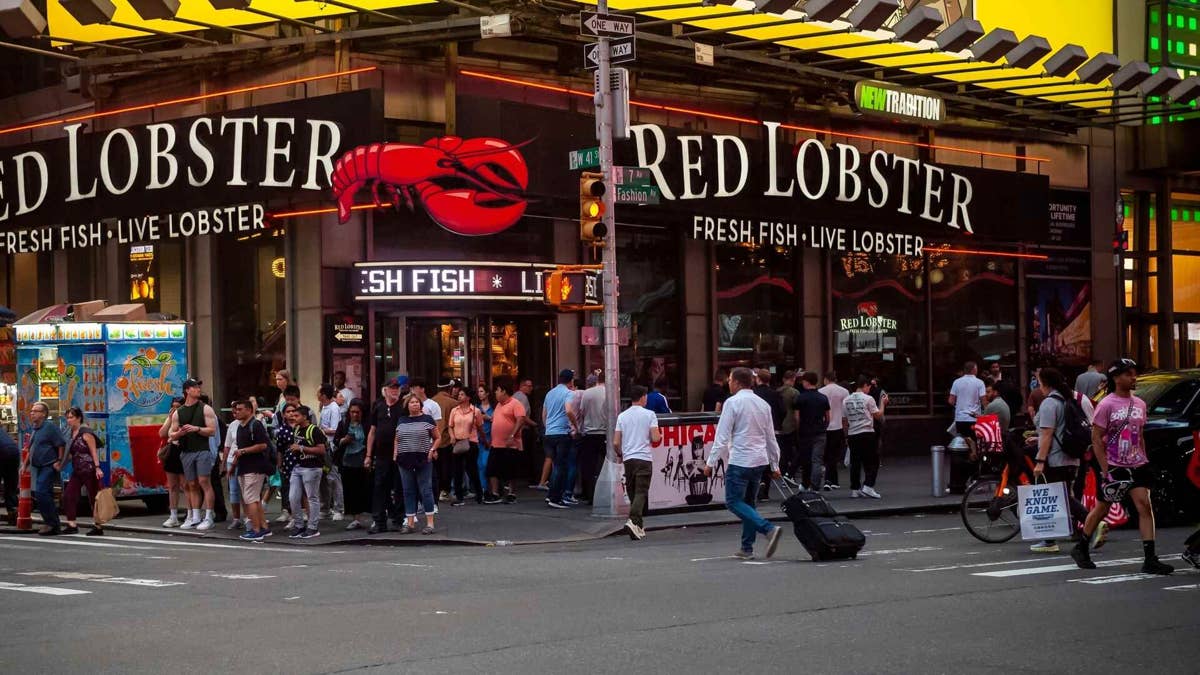
Shutterstock
Prices are a problem for Red Lobster
While beef prices have been rising, which has been a problem for some of Red Lobster’s rivals, seafood is perennially expensive, and the chain can’t really pivot its menu away from it.
The Food Industry Association’s Power of Seafood 2025 showed the perception battle Red Lobster fights.
“Although the Power of Seafood 2025 report indicates that seafood’s overall cost decreased in 2024, 79% of consumers surveyed still believe it is expensive, and 66% view it as a luxury item,” according to the report.
Rising beef prices, however, may help Red Lobster.
“Seafood has always been a little higher [than other proteins], but beef prices are catching up to seafood prices at this point,” said Joe Lane, store manager and seafood director for Casey’s Market, told Seafood Source.
Red Lobster, however, may also face a pricing problem with customers. Many dishes on its menu exceed $30, and even its revived “Endless Shrimp” all-you-can-eat promotion costs $25 to $30, depending on the market.
Data from the U.S. Bureau of Labor Statistics show that full-service restaurant meals typically cost two to three times more than fast-food visits, underscoring the growing value gap facing chains like Red Lobster.
Consumer perception also appears to be a challenge, as menu prices often exceed $30 per entrée, placing Red Lobster at the higher end of casual dining.
That gap becomes more pronounced when compared with rivals like Chili’s, which offers multi-course value meals under $20.
Related: After Chapter 11, BBQ chain shuts down all locations
#Iconic #restaurant #chain #shrinking #bankruptcy