
Retailers have spent much of the past year trying to understand what consumers want, and what they want is getting more complicated.
Customers are still spending, but they are also becoming more selective. Many are looking harder for deals, cutting back on impulse purchases, and choosing value over full-price shopping when they can.
The shift has also increased interest in thrift stores, secondhand marketplaces, and rental platforms that give them a diverse closet without paying full price.
But the shift is not limited to consumers choosing the cheapest option.
In its 2026 fashion retail outlook, PwC’s Strategy& said retailers need to master the “smart-value equation” to protect their margins and sustain growth.
Simply put, shoppers weigh price, trend relevance, and quality before buying. And according to research, value, not price alone, has become a bigger purchase driver as consumers deal with inflation, economic uncertainty, and easy access to price-comparison tools.
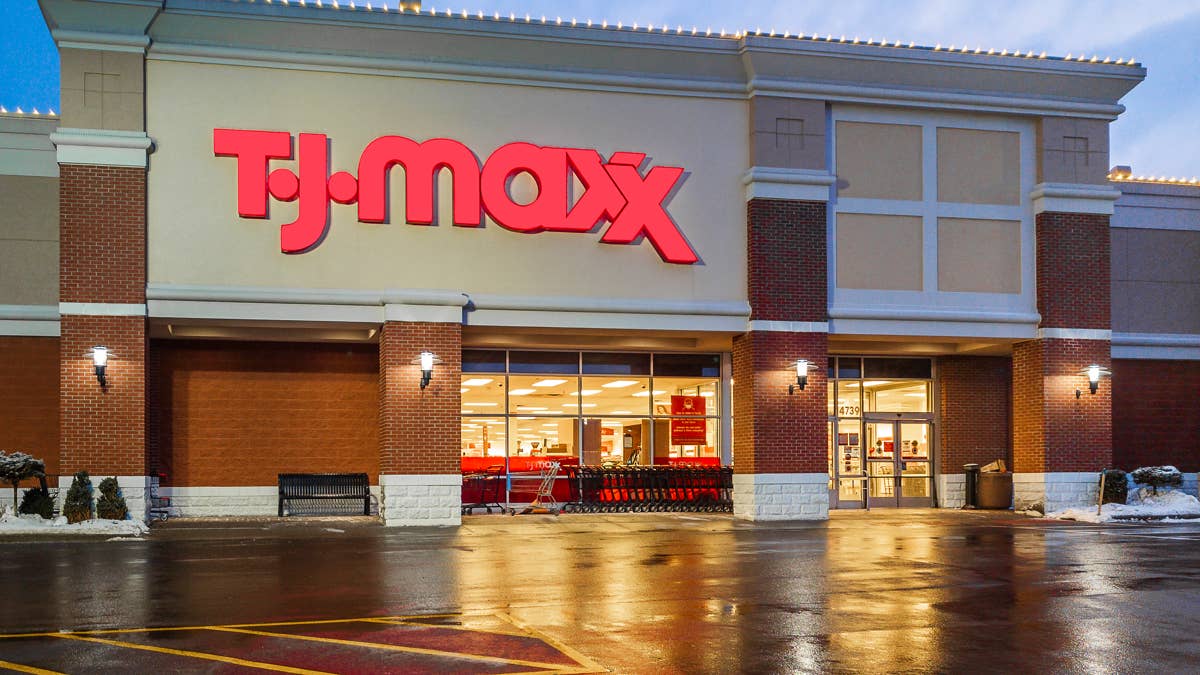
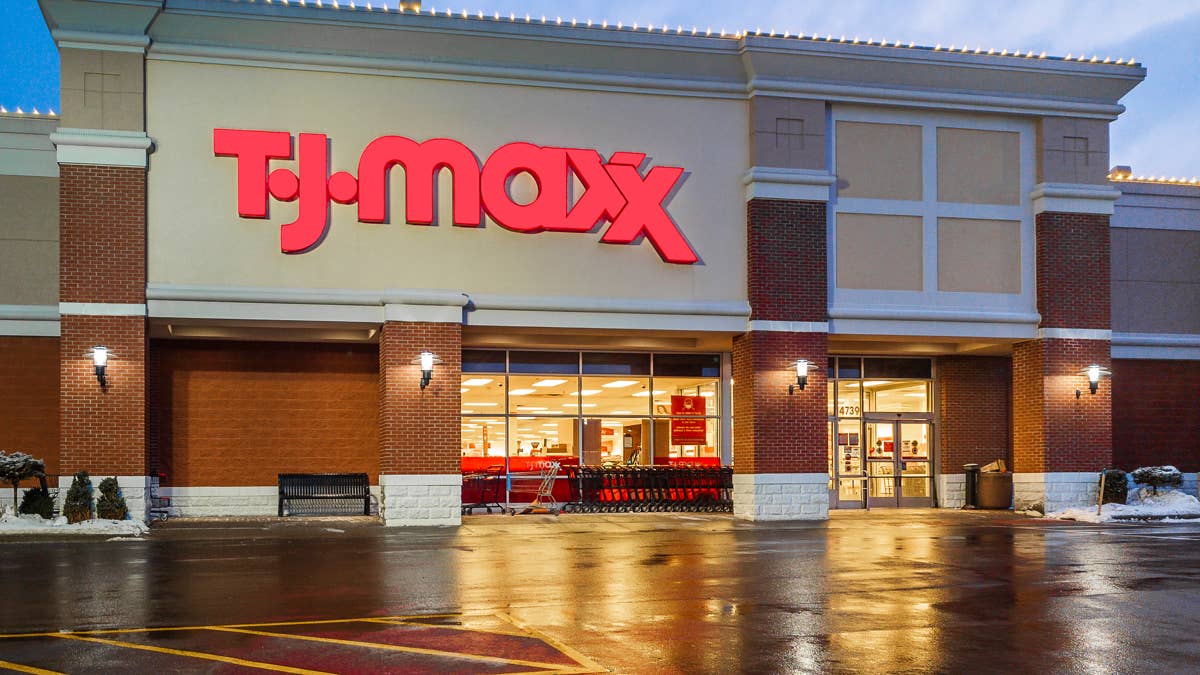
This shift is giving the TJX Companies, the parent company of TJ Maxx, Marshalls, HomeGoods, Sierra, and Homesense, a major advantage.
Strong quarter shows changing customer behavior
TJX recently reported stronger-than-expected first-quarter results for fiscal year 2027, showing that bargain-hunting shoppers are still turning to off-price stores for clothing, home goods, and brand-name merchandise.
The company’s net sales rose 9% year over year to $14.3 billion in the quarter ending May 2, and consolidated comparable sales increased 6%. Net income rose to $1.3 billion, and diluted earnings per share jumped 29% to $1.19.
The results were strong enough for TJX to raise its full-year guidance for comparable sales, pre-tax profit margin, EPS, and share buybacks.
- Another mall retailer quietly closed over 150 locations
- Ultra wealthy shoppers flock to this 63-year-old rugged retailer
- 72-year-old mall retailers to close more stores in 2026
But the bigger story here is why shoppers are still showing up, despite the growth of second-hand markets.
TJX Chief Financial Officer John Klinger said during the company’s earnings call that the comparable sales gain was driven by a higher average basket and an increase in customer transactions.
Which means not only are they spending more per trip, but more customers are also coming into stores.
In a retail market where many companies are closely watching signs of consumer weakness, TJX said it is not seeing a major change in shopper behavior.
In response to the analyst’s questions about whether customers were pulling back from higher-priced products or changing behavior due to macroeconomic pressures, CEO Ernie Herrman said the company saw no meaningful change in buying patterns across income groups or ticket levels.
The company said transactions remain healthy, and TJX continues to price goods at strong value compared with full-price retail.
In a note shared with TheStreet, Bank of America also said TJX’s Q1 performance was strong across various incomes and geographic regions, with “no signs of consumer weakness.”
The firm said it expects TJX to keep gaining share from existing customers and shoppers trading down.
This trade-down means TJX has been able to appeal to shoppers who are trying to stretch their budgets and seek value. But it can also attract middle and higher-income consumers who still want brand names and fashion but do not want to pay full price.
M. Suhail / Getty Images
Bank of America says TJX is playing offense
TJX’s strength stems from more consumers rethinking where they shop for apparel amid turmoil in international markets and rising supply chain costs.
Bank of America said TJX is not simply benefiting from a cautious consumer. The company is actively trying to capture more shoppers.
The firm said TJX has multiple strategies to keep comparable sales strong and continue gaining share. Those include stronger marketing, better merchandise positioning, and investments in the store experience.
On marketing, BofA said TJX is using it as a weapon to target a broad customer base, including young shoppers.
The company is leaning into digital media, fresh campaigns, partnerships, and newer channels such as streaming.
That matters because younger shoppers are becoming an important part of TJX’s growth.
CEO Herrman said that TJX is tracking first-time new customers and that new customer acquisition has been skewing towards a “disproportionately younger age group” compared with the general population.
This may be a big advantage for its brands at a time when retailers are fighting for Gen Z and millennial shoppers.
TJ Maxx and Marshalls are not simply selling cheap apparel. BofA noted that its stores are known for their treasure hunt experience. As a customer, you might find a known brand at a 20-60% discount.
This has made TJX’s core customer a middle- to upper-middle-income female aged 25 to 54 who is “fashion and value conscious.”
In a report about off-price and secondhand retail shared with TheStreet, BofA said that secondhand apparel is growing, but not at the expense of off-price retailers.
Instead, both secondhand and discount apparel retailers, like TJX brands, are gaining ground as consumers continue to seek value. In 8 of the past 12 months, discount apparel spending grew more than secondhand apparel spending, according to BofA’s data.
The company still faces pressure from higher fuel costs, which is why TJX did not use all its Q1 upside in its full-year forecast; it now assumes higher fuel costs for the rest of the year.
BofA also said it estimates pressure from fuel surcharges in the second through fourth quarters for the company, though it noted that lower fuel costs could benefit margins relatively quickly because TJX turns inventory fast.
TJX also has growth possibilities internationally, noted BofA, with potential for global square footage growth, but it cannot completely forget margin pressure from wage and supply chain expenses, “macro pressures weighing on consumer demand, as well as potential weakness in Europe.”
Related: Iconic seafood chain closes more locations after bankruptcy exit
#Discount #retail #giant #wins #shoppers #change #spend